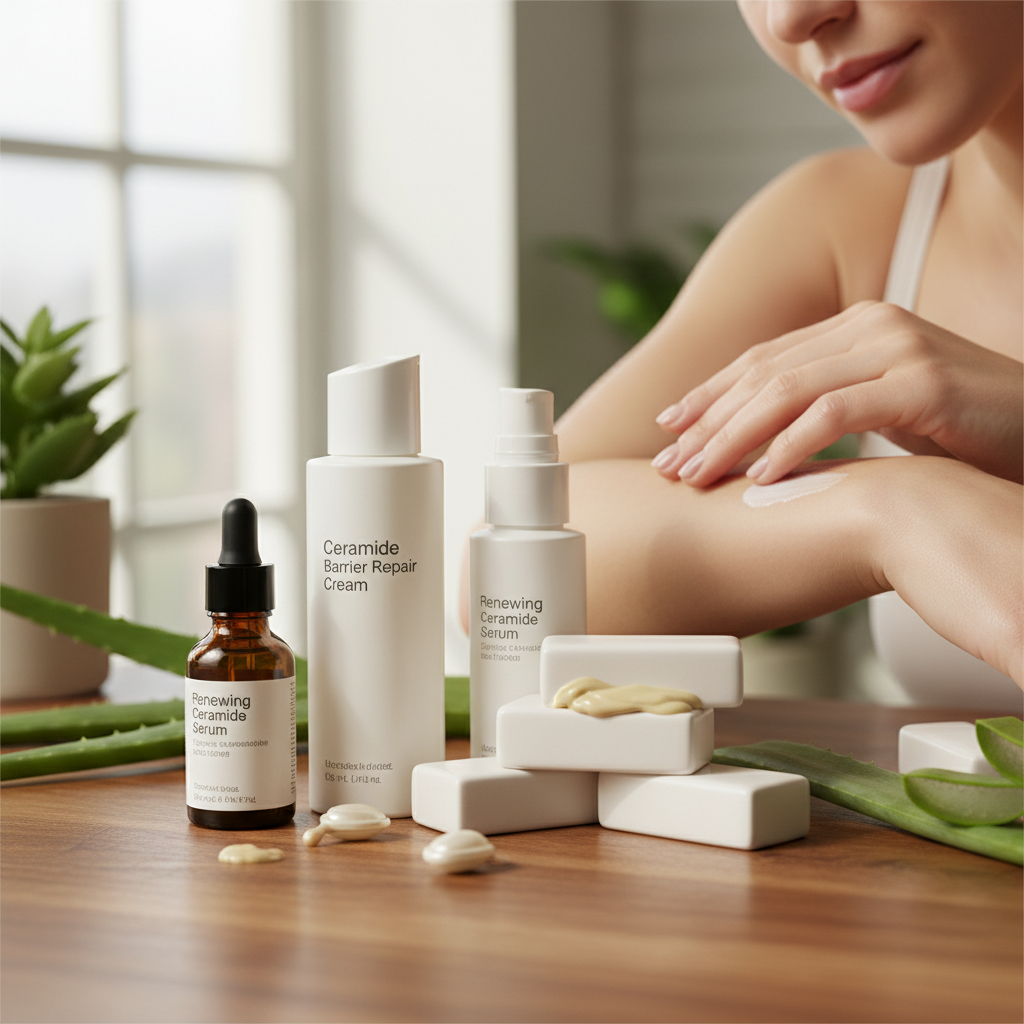
Ceramides are fundamental lipids that comprise a significant portion of your skin barrier, acting like the mortar between your skin cells’ bricks. By replenishing these vital components, ceramide-rich skincare products effectively restore barrier integrity, significantly reducing moisture loss, protecting against environmental aggressors, and ultimately diminishing the visible signs of aging for a more resilient, youthful complexion.
Introduction
In the ever-evolving landscape of skincare, where new ingredients and techniques emerge constantly, some foundational truths remain constant. Among these, the critical role of your skin barrier stands out, and at its heart are ceramides – unsung heroes that are finally getting the recognition they deserve, especially in the pursuit of graceful aging.
What are Ceramides, and Why Are They Essential for Your Skin?
Imagine your skin as a protective wall. The skin cells themselves are the bricks, and ceramides are the specialized lipids that act as the mortar, holding everything together. Scientifically speaking, ceramides are a family of waxy lipid molecules found naturally in high concentrations within the outermost layer of your skin, the stratum corneum. There are nine primary types of ceramides in human skin, each playing a slightly different but equally crucial role in maintaining skin health.
Their primary function is to form a robust, impermeable barrier. This barrier is a dual-purpose shield: it locks essential moisture into your skin, preventing transepidermal water loss (TEWL), and simultaneously defends against external aggressors like pollution, UV radiation, bacteria, and irritants. Without sufficient ceramides, this protective wall weakens, leading to a compromised skin barrier that manifests as dryness, irritation, sensitivity, and increased vulnerability to environmental damage.
How Do Ceramides Combat the Signs of Aging?
The link between ceramides and anti-aging is profound and multifaceted. As we age, our natural ceramide production declines. Studies show a significant decrease in ceramide levels starting in our 30s and accelerating thereafter. This reduction directly contributes to many common signs of aging:
- Increased Dryness and Dehydration: A weakened barrier allows moisture to escape more easily, leading to skin that feels tight, rough, and looks dull. Replenishing ceramides restores the skin’s ability to retain water, plumping up fine lines and improving overall texture.
- Enhanced Sensitivity and Irritation: A compromised barrier is less effective at keeping irritants out. This can lead to chronic inflammation, redness, and discomfort, all of which accelerate the aging process by breaking down collagen and elastin. Ceramides fortify the barrier, making skin less reactive.
- Reduced Resilience: Healthy, ceramide-rich skin is more resilient to environmental stressors like UV damage and pollution, which generate free radicals that break down skin proteins. By strengthening the barrier, ceramides indirectly support the skin’s ability to withstand and recover from daily assaults, thus preserving its youthful structure.
- Improved Skin Firmness and Elasticity: While ceramides don’t directly stimulate collagen production like some other actives, a well-hydrated, healthy skin barrier provides the optimal environment for skin cells to function correctly, supporting the overall integrity and elasticity of the skin over time.
In essence, by restoring the skin’s primary defense mechanism, ceramides create a healthier, more hydrated, and more resilient canvas that is better equipped to resist and repair the damage that leads to visible aging.
Why Is a Healthy Skin Barrier Crucial in 2026 Skincare?
The focus on skin barrier health has intensified significantly in 2026, moving from a niche concern to a mainstream pillar of effective skincare. This shift is driven by several factors:
- Overtreatment Epidemic: The past decade saw a surge in the use of potent actives like high-concentration retinoids, AHAs, and exfoliants. While beneficial, overuse or improper layering of these ingredients often leads to barrier disruption, sensitizing the skin and making it paradoxically worse. The 2026 consensus emphasizes balancing active treatment with robust barrier support.
- Environmental Stressors: Increased awareness of urban pollution, blue light exposure, and climate change effects highlights the constant assault on our skin. A strong barrier is our first line of defense against these modern environmental challenges.
- Personalized Skincare & AI Diagnostics: With advanced at-home diagnostics and AI-driven product recommendations becoming more accessible, consumers are gaining a deeper understanding of their individual skin needs. Many diagnostic tools now flag barrier compromise as a primary concern, driving demand for barrier-repairing ingredients like ceramides.
- Sunscreen Reapplication Science: New research in 2026 emphasizes not just initial SPF application but consistent reapplication and comprehensive barrier health to mitigate UV damage, even beyond direct sunburn. A strong barrier also helps the skin recover from inevitable low-level UV exposure.
In this environment, ceramides are no longer just an “add-on” but a foundational ingredient for anyone serious about long-term skin health and anti-aging, ensuring that skin can effectively benefit from other treatments without becoming overly reactive.
Which Ceramide Products Are Best for Different Skin Types?
The beauty of ceramides lies in their universal benefit, but the optimal product formulation can vary based on your specific skin type and concerns:
Dry and Mature Skin
These skin types often experience the most significant ceramide depletion and benefit immensely from rich, occlusive formulations. Look for:
- Thick Creams and Balms: Formulated with a higher concentration of ceramides, often combined with emollients like shea butter or squalane, and humectants like hyaluronic acid, to provide intense hydration and barrier repair.
- Overnight Masks: Designed to deeply nourish and restore the barrier while you sleep, preventing overnight moisture loss.
Oily and Combination Skin
Even oily skin can have a compromised barrier, leading to dehydration and compensatory oil production. Look for:
- Lightweight Lotions and Gels: Non-comedogenic formulas that deliver ceramides without feeling heavy or greasy. Often paired with niacinamide to help regulate oil.
- Hydrating Serums: A concentrated dose of ceramides that can be layered under a lighter moisturizer.
Sensitive and Acne-Prone Skin
These skin types require gentle, fragrance-free formulations that soothe rather than irritate.
- Fragrance-Free Moisturizers: Prioritize products free from common irritants, focusing purely on barrier repair.
- Gentle Cleansers: Look for cream or hydrating gel cleansers with ceramides that clean without stripping the skin’s natural oils.
How Do Ceramides Work with Other Anti-Aging Actives?
Ceramides are team players, enhancing the efficacy and tolerability of many other popular anti-aging ingredients. They create a stable foundation, allowing other actives to perform their best without causing excessive irritation:
- Retinoids (Retinol, Retinal): Retinoids (like retinol and the more potent retinal) are gold-standard anti-agers that accelerate cell turnover, reduce wrinkles, and improve skin tone. However, they can cause dryness and irritation. Using ceramides alongside retinoids significantly mitigates these side effects by shoring up the barrier, allowing for more consistent use and better results.
- Niacinamide (Vitamin B3): This versatile ingredient calms inflammation, reduces redness, minimizes pores, and improves skin tone. Niacinamide also directly supports ceramide production in the skin, making it a perfect partner for ceramide-containing products to reinforce the barrier from within.
- Hyaluronic Acid: A powerful humectant that attracts and holds up to 1,000 times its weight in water. While hyaluronic acid draws moisture into the skin, ceramides lock it in, preventing evaporation and providing long-lasting hydration for a plump, smooth appearance.
- Vitamin C (L-Ascorbic Acid): A potent antioxidant that brightens skin, stimulates collagen, and protects against free radical damage. Ceramides help maintain a healthy barrier, which is essential for vitamin C to penetrate effectively and perform its antioxidant functions without causing sensitivity.
- Peptides: These short chains of amino acids signal the skin to produce more collagen and elastin, improving firmness and reducing wrinkles. Ceramides ensure the skin’s foundational health, creating an optimal environment for peptides to work their magic.
- AHAs (Alpha Hydroxy Acids) and BHAs (Beta Hydroxy Acids): Exfoliating acids like glycolic acid (AHA) and salicylic acid (BHA) can be drying. Incorporating ceramides helps replenish the barrier after exfoliation, preventing over-stripping and maintaining skin comfort.
- Mineral SPF (Zinc Oxide, Titanium Dioxide): While not an active in the traditional sense, daily broad-spectrum sun protection is the most crucial anti-aging step. A healthy ceramide barrier works in conjunction with mineral SPF to provide comprehensive defense against UV radiation, the primary cause of premature aging.
The synergy between ceramides and these actives means you can achieve more dramatic anti-aging results with less irritation, a win-win for your skin.
Drugstore vs. Prestige: Where Can You Find Effective Ceramide Products?
One of the most exciting developments in ceramide skincare is its widespread accessibility. Unlike some other high-tech ingredients, effective ceramide formulations are available across the entire price spectrum, from drugstore shelves to high-end boutiques.
Drugstore Brands: Many reputable drugstore brands have embraced ceramides as a core ingredient, often incorporating them into their barrier-repair lines. These products are typically formulated with a blend of essential ceramides, cholesterol, and fatty acids – the ideal 3:1:1 ratio that mimics the skin’s natural lipid composition. They are often dermatologist-recommended, fragrance-free, and non-comedogenic, making them excellent choices for sensitive or acne-prone skin. The FDA regulates cosmetic ingredients for safety, and while ceramides themselves aren’t “FDA-approved actives” in the way drugs are, the overall formulations adhere to strict safety standards.
Prestige Brands: Higher-end brands often combine ceramides with a broader array of complementary ingredients, unique delivery systems, or luxurious textures. They might feature patented ceramide complexes, botanical extracts, or advanced antioxidants. While these can offer a more sensory experience or target very specific concerns, it’s important to remember that efficacy often comes down to the quality and concentration of the ceramides themselves, not just the price tag.
Dermatologist consensus is clear: consistent use of ceramide-rich products is beneficial for nearly all skin types, regardless of whether they come from a drugstore or a department store. Focus on ingredient lists that include multiple types of ceramides (e.g., Ceramide NP, Ceramide AP, Ceramide EOP) rather than just a single one, alongside other barrier-supporting lipids.
What Are the Best Ways to Integrate Ceramides into Your Skincare Routine?
Incorporating ceramides into your daily regimen is straightforward and can significantly boost your skin’s health and resilience:
- Start with a Gentle Cleanser: Opt for a hydrating, ceramide-infused cleanser that removes impurities without stripping your skin. This sets the stage for barrier replenishment.
- Apply a Ceramide Serum: After cleansing and toning (if you use a toner), a ceramide serum can provide a concentrated dose of these lipids. This is especially beneficial if you’re layering other actives.
- Follow with a Ceramide-Rich Moisturizer: This is arguably the most crucial step. Choose a moisturizer appropriate for your skin type, ensuring it contains a blend of ceramides, cholesterol, and fatty acids. Apply generously both morning and night.
- Layer with Actives: If using retinoids, AHAs, or Vitamin C, apply them before your ceramide moisturizer. The ceramides will then act as a buffer, reducing potential irritation and supporting barrier recovery.
- Don’t Forget Your Body: The skin on your body also benefits from ceramides. Use a ceramide-rich body lotion, especially after showering, to maintain hydration and barrier integrity from head to toe.
- Consistency is Key: Like all good skincare, the benefits of ceramides accumulate over time. Make them a regular part of your routine for sustained results.
| Product Type | Key Ceramide Benefit | Complementary Actives | Ideal Skin Type | Routine Placement |
|---|---|---|---|---|
| Hydrating Ceramide Cleanser | Gently cleanses while preventing moisture loss; supports barrier from step one. | Hyaluronic Acid, Glycerin | All skin types, especially sensitive, dry, or post-treatment. | AM & PM, first step. |
| Barrier-Repair Ceramide Serum | Concentrated barrier restoration; preps skin for subsequent treatments. | Niacinamide, Peptides, Vitamin E | Compromised, sensitive, aging, or dehydrated skin. | AM & PM, after cleansing/toning, before moisturizer. |
| Rich Ceramide Moisturizer | Intense hydration and long-lasting barrier reinforcement; seals in moisture. | Cholesterol, Fatty Acids, Squalane | Dry, mature, sensitive, or normal skin. | AM & PM, last step before SPF (AM). |
| Lightweight Ceramide Lotion | Provides essential barrier support without heavy feel; balances oil. | Niacinamide, Green Tea Extract | Oily, combination, or acne-prone skin. | AM & PM, last step before SPF (AM). |
| Overnight Ceramide Mask | Deeply replenishes barrier and intensely hydrates during sleep. | Shea Butter, Antioxidants, Panthenol | Very dry, mature, or post-procedure skin needing intensive care. | 2-3 times/week, as final PM step. |
Frequently Asked Questions
Can ceramides clog pores or cause breakouts?
Generally, no. Ceramides are naturally occurring lipids in your skin and are typically non-comedogenic. Many ceramide products, especially those from reputable brands, are specifically formulated to be non-comedogenic and suitable for acne-prone skin. In fact, a compromised barrier can sometimes exacerbate breakouts, so restoring it with ceramides can actually help improve acne over time.
How long does it take to see results from using ceramide products?
You might notice an immediate improvement in skin comfort and hydration after the first few uses, especially if your skin barrier was compromised. For more significant improvements in texture, redness, and overall resilience, consistent use for 2-4 weeks is typically needed. Long-term use provides cumulative anti-aging benefits.
Are all ceramides the same? Should I look for specific types?
There are nine main types of ceramides in human skin, and while they all contribute to barrier function, using products that contain a blend of different ceramides (e.g., Ceramide NP, Ceramide AP, Ceramide EOP) is often recommended. This “full spectrum” approach better mimics the natural ceramide composition of your skin, leading to more comprehensive barrier repair. Look for formulations that also include cholesterol and fatty acids, as these three lipids work synergistically.
Can men benefit from using ceramide products too?
Absolutely! Skin barrier health is universal, regardless of gender. Men’s skin also experiences ceramide depletion with age and can be susceptible to environmental damage, dryness, and irritation, especially from shaving. Incorporating ceramides into a men’s skincare routine can lead to healthier, more comfortable, and younger-looking skin.
Is it possible to overdo it with ceramides?
It’s very difficult to “overdo” ceramides as they are a natural component of your skin. Unlike potent actives, ceramides are restorative and generally well-tolerated. The main consideration is choosing a formulation that suits your skin type to avoid products that are too heavy for oily skin or not rich enough for very dry skin. Using multiple ceramide-rich products in a routine simply reinforces the barrier.
Conclusion
In the dynamic world of skincare, ceramides stand out as a truly foundational anti-aging ingredient. By diligently restoring and maintaining the integrity of your skin barrier, ceramides don’t just offer a temporary fix; they empower your skin to be healthier, more resilient, and better equipped to resist the relentless march of time. Embracing ceramide-rich skincare is a smart, evidence-informed investment in your skin’s long-term vitality and youthful appearance.