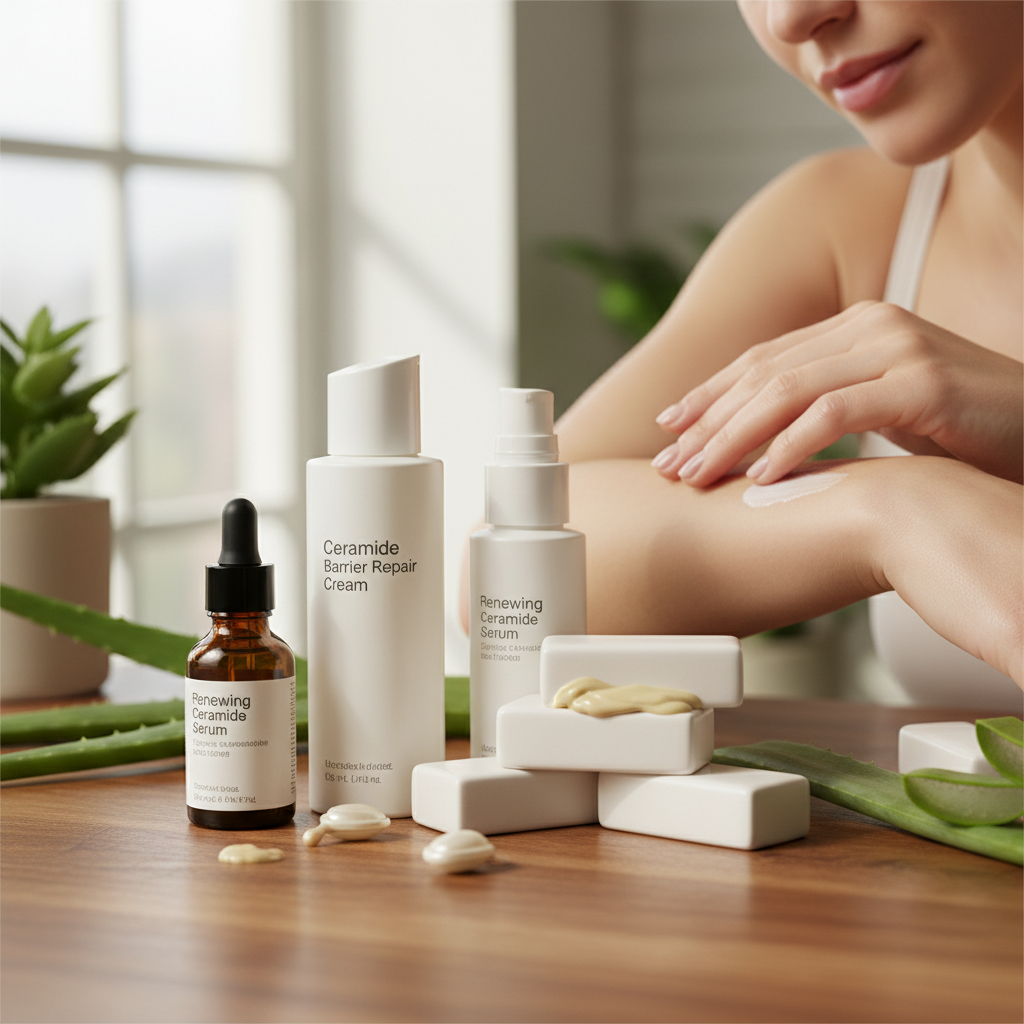
While firming creams alone won’t deliver surgical-level results for significant sagging, 2026 insights confirm that advanced formulations packed with powerful, evidence-backed ingredients can visibly improve skin texture, elasticity, and mild to moderate laxity over time. Realistic expectations are crucial, focusing on prevention and subtle enhancement rather than a complete reversal of advanced sagging, and integrating creams into a holistic, consistent skincare regimen is key to maximizing their benefits.
Introduction
The quest for firm, youthful skin is timeless, and in 2026, the market is flooded with firming creams promising to defy gravity. But with so much innovation and evolving science, it’s natural to wonder: can a jar of cream truly make a difference for sagging skin? Let’s cut through the hype and explore what current research, dermatological consensus, and advanced ingredient technology tell us about the real effectiveness of firming creams today.
What Really Causes Sagging Skin, Anyway?
Before we dive into solutions, understanding the root causes of sagging skin is essential. It’s a complex process influenced by several factors, both internal and external.
The Collagen and Elastin Breakdown
At the heart of firm skin are two crucial proteins: collagen and elastin. Collagen provides structure and firmness, while elastin gives skin its bounce and ability to snap back. As we age, our bodies naturally produce less of these proteins, and existing fibers become fragmented and disorganized. This leads to a loss of structural support, causing the skin to lose its tautness and begin to sag.
Environmental Aggressors
- UV Radiation: Sun exposure is a primary culprit. UV rays damage collagen and elastin fibers, accelerate their breakdown, and impede new production. This photoaging is a significant contributor to premature sagging.
- Pollution: Environmental pollutants generate free radicals that can damage skin cells and proteins, contributing to oxidative stress and accelerated aging.
- Lifestyle Choices: Smoking, poor nutrition, chronic stress, and inadequate sleep can all negatively impact skin health, impairing its ability to repair and maintain firmness.
Gravity and Genetics
While we can’t escape gravity, its constant pull gradually contributes to skin laxity over decades. Genetics also play a significant role, influencing how quickly and severely an individual’s skin ages and sags. Some people are simply predisposed to losing firmness earlier than others.
Fat and Bone Loss
Beyond the skin itself, changes in underlying structures contribute to sagging. As we age, we experience volume loss in facial fat pads and even bone resorption in the jawline and cheekbones. This loss of underlying support causes the overlying skin to appear looser and more deflated.
How Do Firming Creams Claim to Work, and What’s the Reality?
Firming creams typically claim to work by addressing one or more of the causes of sagging skin. Their primary mechanisms often involve boosting collagen and elastin production, providing antioxidant protection, and intensely hydrating the skin.
Boosting Collagen and Elastin
Many firming creams contain ingredients designed to stimulate fibroblasts, the cells responsible for producing collagen and elastin. While topical application can certainly influence these processes, it’s important to have realistic expectations. Creams can encourage new collagen synthesis and help protect existing fibers, leading to improved skin density and elasticity. However, they cannot recreate the robust, youthful collagen network lost over decades, nor can they physically lift significantly sagging skin in the way surgical procedures can.
Antioxidant Protection
Oxidative stress from free radicals (generated by UV, pollution, etc.) is a major enemy of skin firmness. Firming creams often include powerful antioxidants to neutralize these damaging molecules, thereby protecting collagen and elastin from degradation and supporting the skin’s overall health and resilience.
Hydration and Plumping
Well-hydrated skin looks plumper, smoother, and firmer. Ingredients like hyaluronic acid draw moisture into the skin, temporarily plumping up fine lines and making the skin appear more supple and less lax. While this effect is temporary and doesn’t address the underlying structural issues, it contributes significantly to the immediate visual improvement and overall health of the skin barrier, a major focus in 2026 skincare.
The Reality Check for 2026
In 2026, the consensus among dermatologists and skincare scientists is clear: firming creams are most effective for preventing skin laxity, improving mild to moderate sagging, and enhancing overall skin quality. They work best as part of a comprehensive approach that includes sun protection, a healthy lifestyle, and potentially professional treatments for more advanced concerns. Expect subtle but noticeable improvements in skin texture, elasticity, and a reduction in the appearance of fine lines and early sagging, rather than a dramatic “lift.”
Which Ingredients Actually Make a Difference for Skin Firmness?
Not all ingredients are created equal when it comes to firming. Here are the power players you should look for, backed by scientific evidence:
- Retinoids (Retinol, Retinal, Tretinoin): The gold standard for anti-aging. Retinoids stimulate collagen production, accelerate cell turnover, and improve skin elasticity. Retinal (retinaldehyde) is a 2026 favorite, offering a more potent effect than retinol with less irritation, converting to retinoic acid in just one step.
- Peptides: Short chains of amino acids that act as messengers, signaling skin cells to perform specific functions, like producing more collagen, elastin, or hyaluronic acid. Different types of peptides target different concerns, making them versatile firming agents.
- Vitamin C (Ascorbic Acid): A potent antioxidant that protects skin from free radical damage, essential for collagen synthesis, and helps brighten the complexion. Look for stable forms like L-Ascorbic Acid or its derivatives.
- Niacinamide (Vitamin B3): A multitasking ingredient that improves skin barrier function, reduces inflammation, minimizes pore appearance, and enhances elasticity. It’s excellent for overall skin health and resilience, a key trend for 2026.
- Hyaluronic Acid: While not directly firming, this powerful humectant draws and holds up to 1,000 times its weight in water, intensely hydrating and plumping the skin, which temporarily reduces the appearance of laxity and fine lines.
- AHAs (Alpha Hydroxy Acids) – Glycolic, Lactic Acid: These exfoliants promote cell turnover, revealing smoother, brighter skin. Consistent use can also stimulate collagen production over time, indirectly contributing to firmness.
- Ceramides: Essential lipids that make up the skin barrier. Supporting barrier health is crucial for preventing moisture loss and protecting the skin from environmental damage, which indirectly maintains firmness.
- Mineral SPF (Zinc Oxide, Titanium Dioxide): While not a firming ingredient itself, daily broad-spectrum sun protection is the single most important preventative measure against collagen and elastin breakdown, making it paramount for maintaining skin firmness.
Creams vs. Clinics: What’s the Best Approach for Sagging Skin in 2026?
The choice between topical treatments and professional interventions depends largely on the degree of sagging and your desired results. In 2026, a synergistic approach often yields the best outcomes.
When Creams Are Your Go-To
For early signs of sagging, preventative care, and maintaining existing firmness, high-quality firming creams are incredibly valuable. They are non-invasive, accessible, and can significantly improve skin texture, tone, and mild elasticity concerns with consistent use. They are also essential for prolonging the results of professional treatments.
When to Consider Professional Treatments
For more advanced or moderate sagging, topical creams alone may not provide the desired lift. This is where professional treatments come in. Options include:
- In-Office Retinoids (Tretinoin): A dermatologist-prescribed retinoid offers the most potent topical collagen stimulation.
- Energy-Based Devices: Treatments like radiofrequency (Thermage, Morpheus8) or ultrasound (Ultherapy) stimulate collagen deep within the skin, providing noticeable lifting and tightening over several months.
- Injectables: Dermal fillers can restore lost volume, indirectly improving the appearance of sagging. Biostimulatory fillers (like Sculptra) encourage the body’s natural collagen production.
- Microneedling (with or without PRP): Creates controlled micro-injuries to stimulate collagen and elastin production, improving skin texture and firmness.
- Laser Resurfacing: Targets various layers of the skin to improve texture, tone, and stimulate collagen.
The 2026 landscape also sees an increase in effective dermal-grade at-home tools like microcurrent devices or LED masks. While not as powerful as in-office procedures, consistent use can offer a noticeable boost in muscle tone and overall skin radiance, complementing your firming cream regimen.
Building Your 2026 Firming Skincare Routine: Drugstore Gems to Prestige Powerhouses
A successful firming routine is built on consistency and smart product selection. Remember that FDA-approved actives like retinol are available in both drugstore and prestige formulations, but concentrations and delivery systems can vary.
Essential Steps for a Firming Regimen:
- Gentle Cleansing: Start with a mild cleanser to avoid stripping your skin, preserving its barrier function.
- Antioxidant Serum (AM): A Vitamin C serum in the morning protects against environmental damage and supports collagen.
- Targeted Firming Serum/Cream (AM/PM): This is where your retinoids, peptides, and other firming actives come in. For sensitive skin, introduce retinoids slowly (2-3 times a week) and build tolerance.
- Hydration (AM/PM): A moisturizer with ceramides, hyaluronic acid, and niacinamide supports the skin barrier and plumps.
- Broad-Spectrum Mineral SPF (AM): Non-negotiable! A mineral-based SPF 30+ is your best defense against photoaging and breakdown of firmness. Reapplication science in 2026 emphasizes reapplying every 2 hours, or more frequently if sweating or swimming.
Product Comparison for Firmness & Elasticity
Choosing the right product depends on your skin type, budget, and specific concerns. Here’s a general comparison of categories:
| Product Category | Key Actives | Best For | Realistic Outcome | Skin Types |
|---|---|---|---|---|
| Advanced Retinal Serum (Prestige) | Retinaldehyde, Peptides, Antioxidants (e.g., Vitamin E) | Moderate laxity, deep lines, textural improvement, hyperpigmentation. | Significant improvement in texture, elasticity, and fine lines over 3-6 months. | Most (introduce slowly for sensitive). |
| Peptide-Rich Firming Cream (Drugstore) | Multiple Peptides, Hyaluronic Acid, Niacinamide | Early signs of sagging, prevention, overall skin health, hydration. | Improved skin plumpness, subtle firmness, enhanced barrier, and hydration within 6-12 weeks. | All skin types, including sensitive. |
| Vitamin C & Ferulic Acid Serum (Mid-Range) | L-Ascorbic Acid, Ferulic Acid, Vitamin E | Antioxidant protection, brightening, collagen support, prevention of future sagging. | Brighter skin, improved tone, reduced oxidative stress, and long-term firmness maintenance. | Most (patch test for sensitive). |
| Ceramide & Niacinamide Moisturizer (Drugstore) | Ceramides, Niacinamide, Hyaluronic Acid | Skin barrier repair, hydration, inflammation reduction, complementary firming support. | Stronger skin barrier, reduced redness, improved moisture retention, supple skin. | All skin types, especially dry or sensitive. |
Considerations for Different Skin Types:
- Oily/Combination: Look for lighter, gel-based serums or non-comedogenic creams. Retinoids can also help regulate oil production.
- Dry/Mature: Richer creams with emollients and occlusives alongside firming actives are beneficial. Focus on ceramides and hyaluronic acid for barrier support.
- Sensitive: Introduce new actives slowly, one at a time. Opt for lower concentrations of retinoids or gentler forms like Bakuchiol if retinoids are too irritating. Niacinamide and ceramides are excellent for sensitive skin.
Frequently Asked Questions
Can firming creams work on my neck and décolletage?
Absolutely! The skin on the neck and chest is often thinner and more susceptible to sun damage and sagging. Many firming creams formulated for the face are also suitable for these areas. Look for products with similar collagen-boosting and antioxidant ingredients, and be diligent with your daily SPF application on these exposed areas.
How long does it take to see results from a firming cream?
Patience is key. Visible results from firming creams typically take anywhere from 8-12 weeks of consistent, daily use. Ingredients like retinoids take time to stimulate new collagen production, and skin cell turnover cycles are approximately 28 days. For more noticeable improvements, especially with moderate laxity, expect to continue use for 3-6 months or longer.
Is there a ‘best’ age to start using firming creams?
There’s no single “best” age. Prevention is always easier than correction. Many dermatologists recommend incorporating preventative anti-aging ingredients like antioxidants and retinoids in your late 20s or early 30s. If you’re noticing early signs of sagging in your 40s or beyond, it’s certainly not too late to start, but managing expectations is important.
Are natural ingredients effective for sagging skin?
Some natural ingredients offer benefits. For example, certain plant extracts like bakuchiol (a gentler retinoid alternative), green tea (antioxidant), and various botanical oils can provide antioxidant protection and hydration. However, their efficacy for significant firming is generally less robust than scientifically proven actives like retinoids and peptides. Always look for formulations where these ingredients are stable and well-researched.
Do I need a separate firming cream for day and night?
Not necessarily, but it can be beneficial. Your skin’s needs change throughout the day. A daytime firming product might focus on antioxidant protection and hydration, designed to layer well under makeup and SPF. A nighttime product could contain higher concentrations of actives like retinoids, which are best used away from sun exposure, and richer emollients to support overnight repair. However, one well-formulated firming cream used twice daily can still be very effective.
Conclusion
In 2026, the verdict is in: firming creams are not magic wands, but they are powerful allies in the fight against sagging skin. By understanding the science behind skin laxity, choosing products with evidence-backed ingredients like retinoids and peptides, and committing to a consistent, holistic routine that includes diligent sun protection, you can achieve noticeable improvements in skin firmness, elasticity, and overall youthful radiance. For advanced sagging, creams complement, rather than replace, professional dermatological treatments, ensuring you get the best possible results for your unique skin journey.