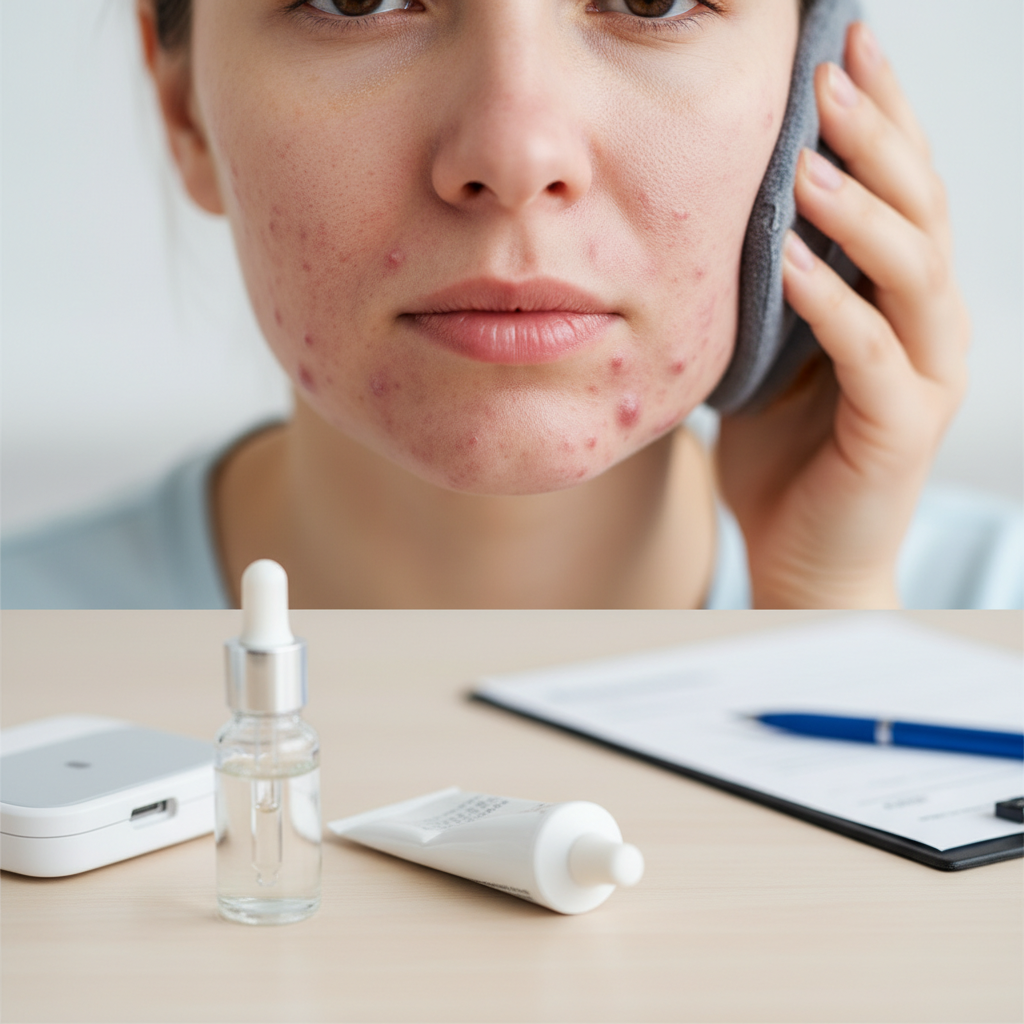
To maximize hydration with hyaluronic acid (HA) in 2026, always apply your HA serum to damp skin, then layer subsequent products from thinnest to thickest, sealing everything in with a nourishing moisturizer or occlusive. This multi-step approach ensures HA can effectively draw moisture into the skin and prevent transepidermal water loss.
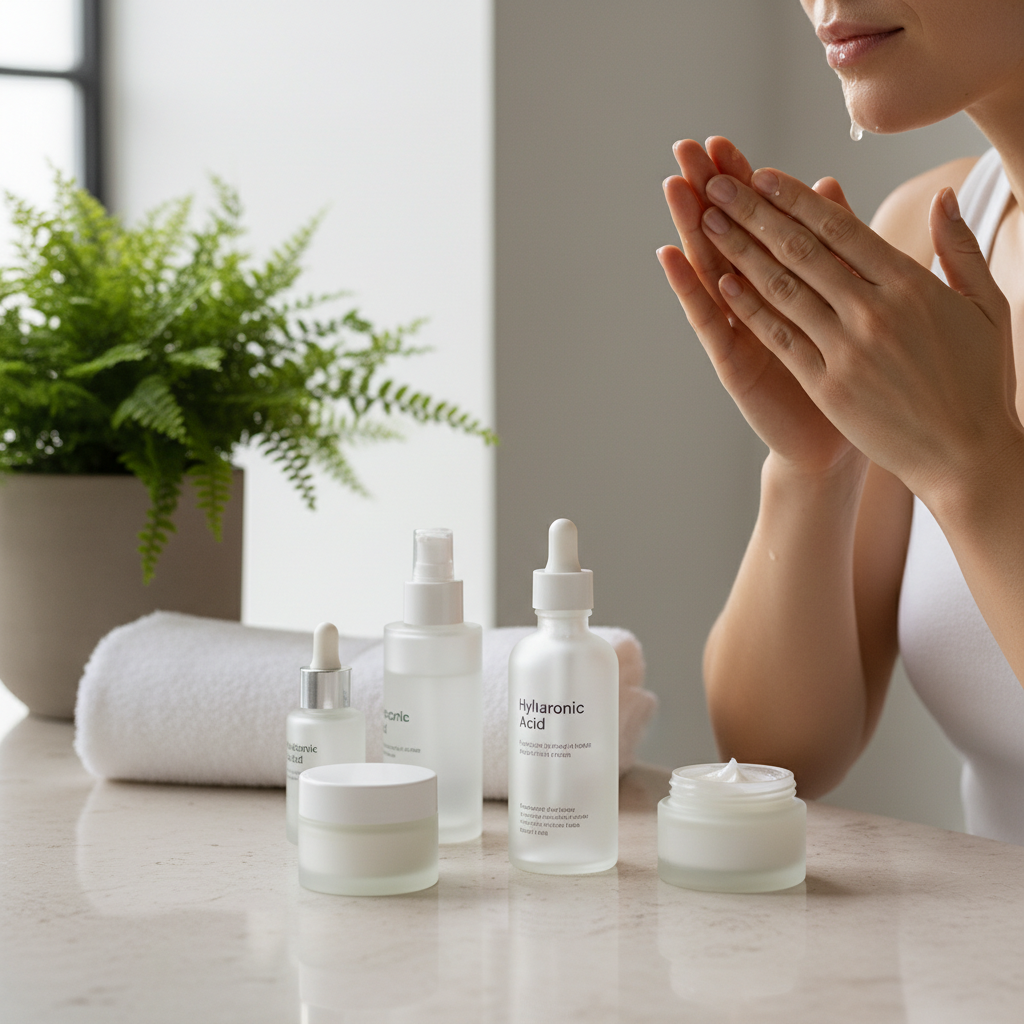
Introduction
Hyaluronic acid has long been a skincare staple, lauded for its incredible ability to attract and hold moisture. But as our understanding of skin science evolves, especially in 2026 with a heightened focus on skin barrier integrity and ingredient synergy, simply slathering on an HA serum isn’t enough. Mastering the art of layering HA can unlock its full potential, transforming your skin from merely hydrated to deeply plump, resilient, and radiant.
What Exactly is Hyaluronic Acid and Why Does My Skin Need It?
Hyaluronic acid (HA) is a powerful humectant, a substance that draws water from its surroundings. Naturally found in our skin, connective tissues, and eyes, HA acts like a sponge, capable of holding up to 1,000 times its weight in water. This remarkable property is crucial for maintaining skin hydration, elasticity, and overall plumpness. As we age, our natural HA levels decline, contributing to dryness, fine lines, and a loss of bounce.
In 2026, the emphasis on a healthy skin barrier is paramount, and HA plays a vital role here. By attracting and retaining moisture, it helps to fortify the skin’s natural protective barrier, making it more resilient against environmental aggressors and reducing transepidermal water loss (TEWL). When your skin barrier is compromised, it can lead to dryness, irritation, and increased sensitivity. Integrating HA effectively into your routine supports this critical defense mechanism.
It’s also worth noting that “hyaluronic acid” often refers to a family of molecules. You might see ingredients like sodium hyaluronate on labels, which is a salt form of HA with a smaller molecular weight, allowing for deeper penetration. Hydrolyzed hyaluronic acid is an even smaller fragment, designed for enhanced absorption. Many modern formulations now incorporate a blend of different molecular weights to provide multi-depth hydration.
How Do Different Hyaluronic Acid Formulations Impact My Routine?
Hyaluronic acid comes in various forms, each designed to fit into different stages of your skincare routine. Understanding these differences is key to effective layering.
Serums
HA serums are typically the most concentrated form. They are lightweight and designed to deliver a potent dose of hydration directly to the skin. Serums are usually applied after cleansing and toning, before heavier creams.
Moisturizers
Many moisturizers, both creams and lotions, incorporate HA alongside emollients and occlusives. These formulations aim to not only hydrate but also nourish and seal in moisture, making them an excellent final step in your hydration routine.
Mists and Toners
HA-infused mists and toners serve as excellent prep steps. They can be used after cleansing to rebalance the skin’s pH, deliver an initial layer of hydration, and most importantly, create that crucial damp surface for your HA serum to work most effectively.
Masks
Sheet masks or rinse-off masks often contain a high concentration of HA, offering an intensive hydration boost. These are typically used as a weekly treatment to replenish moisture levels deeply.
What’s the Best Way to Layer Hyaluronic Acid for Maximum Absorption?
The secret to maximizing hyaluronic acid’s benefits lies in its application to damp skin and the subsequent layering. HA needs moisture to draw upon; if applied to dry skin in a dry environment, it can potentially pull moisture from deeper within your skin, leading to a temporary feeling of dryness. Here’s a dermatologist-consensus-backed layering strategy for 2026:
- Cleanse: Start with a gentle cleanser to remove impurities without stripping your skin. Pat your face almost dry, leaving it slightly damp.
- Tone or Mist: Immediately after cleansing, apply a hydrating toner or facial mist. This crucial step ensures your skin is adequately damp, providing the surface moisture HA needs to bind to. Look for mists with ceramides or peptides for added barrier support.
- Apply HA Serum: While your skin is still damp from the toner/mist, dispense 2-3 drops of your HA serum onto your fingertips. Gently press and pat it evenly over your face and neck. Avoid rubbing vigorously, as this can cause pilling.
- Introduce Other Serums (if applicable): If you use other treatment serums like Vitamin C (an antioxidant that brightens and protects), Niacinamide (Vitamin B3, which improves barrier function and reduces redness), or Peptides (amino acids that signal skin to produce collagen), apply them next. Generally, layer from thinnest to thickest consistency.
- Moisturize: Follow with a nourishing moisturizer. This step is non-negotiable as it acts as an occlusive layer, sealing in the HA and all the moisture it has attracted. Look for moisturizers containing ceramides (lipid molecules vital for barrier repair) or squalane, especially for dry or mature skin.
- Facial Oil (Optional): If you have very dry skin or are in a particularly dry climate, a few drops of a facial oil can be applied over your moisturizer to provide an extra layer of occlusion and nourishment.
- Mineral SPF (AM Routine): For your morning routine, always finish with a broad-spectrum mineral sunscreen (like zinc oxide or titanium dioxide) with at least SPF 30. This protects your newly hydrated and healthy skin barrier from UV damage.
“The golden rule for hyaluronic acid is ‘damp skin, then seal.’ Without moisture to draw from, HA can’t perform its best. Think of it as a thirsty sponge – it needs water to absorb and then a lid to keep that water from evaporating.”
Can I Combine Hyaluronic Acid with My Other Favorite Actives?
One of HA’s greatest strengths is its compatibility. It plays well with almost all other actives, often mitigating potential irritation or dryness caused by more potent ingredients.
- Retinol/Retinal: These Vitamin A derivatives are powerful for cell turnover and collagen production but can cause dryness and irritation. Layering HA before and after your retinol or retinal (a more potent form of Vitamin A trending in 2026 for its efficacy with less irritation) can significantly reduce these side effects, keeping your skin comfortable and hydrated.
- Vitamin C: A potent antioxidant, Vitamin C (L-Ascorbic Acid) brightens skin and protects against environmental damage. HA complements Vitamin C perfectly by providing hydration, which can enhance the absorption and efficacy of the antioxidant.
- Niacinamide: This versatile active strengthens the skin barrier, reduces inflammation, and minimizes pores. Niacinamide and HA are a powerhouse duo for overall skin health and resilience.
- AHAs/BHAs (Salicylic Acid): Alpha Hydroxy Acids (AHAs like glycolic or lactic acid) exfoliate the skin surface, while Beta Hydroxy Acids (BHAs like salicylic acid) penetrate oil to clear pores. While these can be drying, HA provides crucial hydration to soothe and replenish moisture, making their use more tolerable, especially for combination or oily skin types. Use them on alternate nights or ensure ample hydration.
- Peptides: These short chains of amino acids signal the skin to perform various functions, such as collagen production. HA provides a hydrated environment for peptides to work optimally, boosting skin firmness and elasticity.
Drugstore vs. Prestige: Does Price Matter for Hyaluronic Acid Efficacy?
In 2026, the market is saturated with HA products across all price points, from accessible drugstore finds to high-end prestige brands. The good news is that effective hyaluronic acid formulations are available at every budget. The key is to look beyond the price tag and focus on the formulation, ingredient quality, and overall ingredient list.
While a prestige product might boast elegant textures, sophisticated packaging, or proprietary blends of rare botanicals, a well-formulated drugstore HA serum can deliver comparable hydration. What you’re often paying for in higher-priced products are additional beneficial ingredients (like advanced peptides, unique antioxidants, or ceramides), specific molecular weight blends of HA, and sensory experience. However, the core humectant function of HA itself is not exclusive to luxury brands. Dermatologists often emphasize that consistency in routine with effective, affordable products yields better results than sporadic use of expensive ones.
When choosing, consider products that are fragrance-free, non-comedogenic, and suitable for your specific skin type, regardless of price. Look for formulations that clearly state the type of HA used (e.g., sodium hyaluronate, hydrolyzed HA) and combine it with other barrier-supporting ingredients.
| Product Category | Key Ingredients (Beyond HA) | Targeted Benefits | Considerations |
|---|---|---|---|
| Drugstore HA Serum | Glycerin, Panthenol (Vitamin B5) | Basic hydration, plumping, barrier support | Excellent value, widely available, good for all skin types. May lack advanced actives. |
| Mid-Range HA Serum with Peptides | Multi-peptide complex, Niacinamide | Hydration, anti-aging (firmness, elasticity), barrier repair, redness reduction | Enhanced benefits for mature or barrier-compromised skin. Good balance of cost and efficacy. |
| Prestige Multi-Molecular HA Cream | Ceramides, Antioxidant blend (e.g., Vitamin E, Ferulic Acid), Squalane | Deep, lasting hydration, strong barrier repair, environmental protection, luxurious feel | Comprehensive care for dry/mature skin. Higher price point, often includes elegant textures and packaging. |
| HA-Infused Hydrating Toner/Mist | Rosewater, Aloe Vera, Allantoin | Preps skin for serum, immediate hydration, soothing | Essential for “damp skin” application. Can be reapplied throughout the day. |
How Do I Optimize HA Layering for My Specific Skin Type?
While the core principles of HA layering remain consistent, tailoring your product choices and routine to your skin type can optimize results.
Oily/Acne-Prone Skin
For oily or acne-prone skin, HA can be a game-changer as it provides essential hydration without adding excess oil. Opt for lightweight, non-comedogenic HA serums or gel moisturizers. Avoid heavy creams that might clog pores. HA can also help soothe skin irritated by acne treatments like salicylic acid.
Dry/Mature Skin
Dry and mature skin types benefit immensely from HA, as they often lack natural moisture and lipids. Choose HA serums with multiple molecular weights for deeper penetration, and follow with rich moisturizers that contain ceramides, fatty acids, and occlusives (like shea butter or petrolatum) to lock in hydration. Layering a facial oil can also be highly beneficial.
Combination Skin
Combination skin requires a balanced approach. You might use a lighter HA serum all over, but apply a richer HA-infused moisturizer only to drier areas, such as the cheeks, while opting for a lighter gel in oilier zones like the T-zone. HA mists can be great for quick hydration boosts without feeling heavy.
Sensitive Skin
Sensitive skin benefits from HA’s soothing properties. Look for HA products that are fragrance-free, alcohol-free, and contain minimal ingredients to reduce the risk of irritation. Always patch test new products. HA can help calm and strengthen a compromised skin barrier, a common concern for sensitive skin.
Current Trends in HA: What’s New in 2026?
Skincare in 2026 continues to evolve, and hyaluronic acid is no exception:
- Multi-Molecular Weight Formulations: The trend is firmly towards products containing a blend of different HA molecular weights (high, medium, low) to ensure hydration at various depths of the skin, offering a more comprehensive plumping effect.
- Barrier-Focused HA: HA products are increasingly formulated with additional skin barrier-supporting ingredients like ceramides, niacinamide, and peptides. This reflects the 2026 focus on holistic skin health and resilience rather than just surface hydration.
- Sustainable Sourcing: As consumers become more eco-conscious, brands are highlighting sustainably sourced, often biotechnologically produced, hyaluronic acid.
- Synergy with At-Home Tools: While HA isn’t an active ingredient for tools, its hydrating properties make it an excellent partner for dermal-grade at-home devices like microcurrent or LED masks, helping to prep the skin and enhance overall treatment results.
- HA in Sunscreen Reapplication Science: New formulations of hydrating mists with HA are being developed to facilitate comfortable sunscreen reapplication throughout the day, ensuring skin stays hydrated even under multiple layers of SPF.
Frequently Asked Questions
How often should I use hyaluronic acid?
Hyaluronic acid can be safely used twice daily, in both your morning and evening skincare routines. Consistent application ensures continuous hydration and optimal skin barrier support.
Can hyaluronic acid make my skin drier?
If applied to completely dry skin in a very low-humidity environment, HA can potentially draw moisture from deeper layers of your skin, leading to a feeling of dryness. This is why applying HA to damp skin and sealing it with an occlusive moisturizer is crucial for preventing this effect.
What’s the difference between sodium hyaluronate and hyaluronic acid?
Sodium hyaluronate is a salt derivative of hyaluronic acid. It has a smaller molecular weight than pure hyaluronic acid, meaning it can penetrate the skin more easily. Both are excellent humectants, and many effective products combine different forms for multi-level hydration.
Should I use a mist before my HA serum?
Yes, absolutely! Using a hydrating mist or toner before applying your HA serum is highly recommended. It provides the necessary surface moisture for the HA to bind to, maximizing its hydrating effects and preventing it from drawing moisture from your skin.
Is hyaluronic acid “FDA-approved”?
Hyaluronic acid itself is classified as a cosmetic ingredient, not a drug, and therefore does not require FDA approval in the same way a drug active would. However, if an HA product contains other active ingredients (like salicylic acid or sunscreens), those specific drug actives would be FDA-regulated. The FDA ensures that cosmetic products are safe and properly labeled.
Conclusion
Mastering hyaluronic acid layering in 2026 is about more than just hydration; it’s about building a resilient, healthy skin barrier that can withstand daily environmental stressors. By consistently applying HA to damp skin, following a thinnest-to-thickest layering approach, and sealing it all in with a nourishing moisturizer, you unlock HA’s full potential. This evidence-informed strategy ensures your skin remains plump, supple, and radiant, supporting its natural functions for lasting beauty and health.