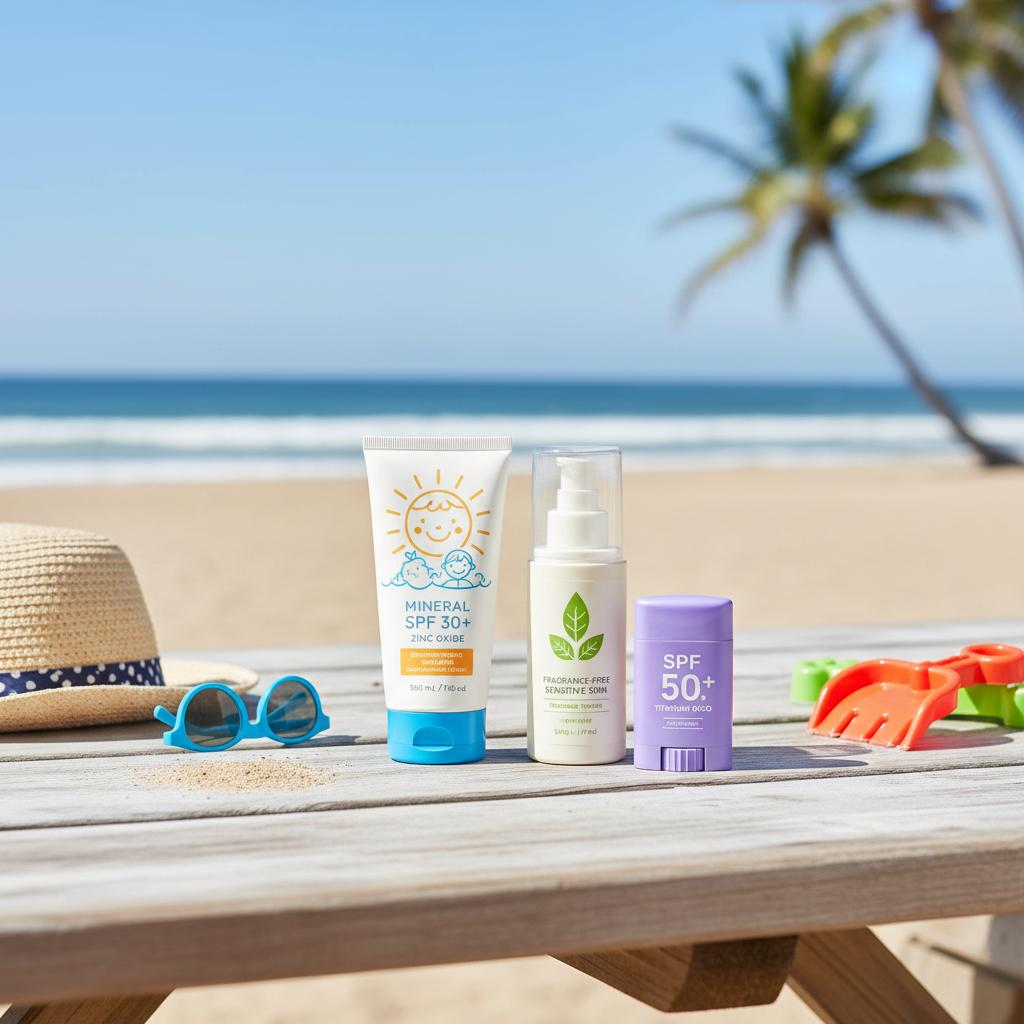
Protecting children from the sun in 2026 prioritizes broad-spectrum mineral sunscreens (SPF 30+) containing zinc oxide and/or titanium dioxide, applied generously and reapplied frequently. Focus on formulations designed for sensitive skin, free from harsh chemicals and fragrances, to safeguard their delicate skin barrier against both immediate burns and long-term damage.
Introduction
As parents and caregivers, safeguarding our children’s health is paramount, and that includes their skin. With evolving understanding of UV radiation and its long-term effects, choosing and applying the right sunscreen for your little ones in 2026 is more crucial than ever. This guide cuts through the noise to provide evidence-informed advice for comprehensive sun protection.
What Makes Children’s Skin Different, and Why Does It Need Special Sunscreen?
A child’s skin isn’t just a smaller version of an adult’s; it possesses unique characteristics that make it particularly vulnerable to sun damage. Their skin is thinner, with a less developed skin barrier, meaning it’s more permeable and susceptible to irritation and water loss. The melanocytes, the cells responsible for producing protective pigment, are still maturing. This immaturity, combined with a higher skin surface-to-body mass ratio, means children absorb substances more readily and are at an increased risk of sunburn, which significantly raises their lifetime risk of skin cancer, including melanoma. Therefore, sunscreens formulated for children prioritize gentle, hypoallergenic ingredients and robust physical protection.
Mineral vs. Chemical Sunscreen: Which is Safer for Kids?
When it comes to protecting delicate skin, the choice between mineral and chemical sunscreens is often a primary concern for parents. Understanding their differences is key.
Mineral Sunscreens (Physical Blockers)
Mineral sunscreens contain active ingredients like zinc oxide and titanium dioxide. These work by sitting on top of the skin and creating a physical barrier that reflects and scatters UV rays away from the skin, much like a shield. They are generally considered hypoallergenic, non-comedogenic, and less likely to cause irritation, making them the preferred choice for babies, children, and individuals with sensitive or eczema-prone skin. The FDA has recognized these two ingredients as safe and effective.
Chemical Sunscreens (Organic Filters)
Chemical sunscreens typically contain organic compounds such as oxybenzone, avobenzone, octinoxate, and octisalate. These ingredients work by absorbing UV radiation as it penetrates the skin, converting it into heat, and then releasing it from the body. While effective, some chemical filters have raised concerns regarding potential skin sensitivities, allergic reactions, and systemic absorption. The FDA continues its review of many chemical sunscreen ingredients, prompting dermatologists to generally recommend mineral-based options for children as a precautionary measure.
Dermatologist Consensus: For children, especially those under two and those with sensitive skin, mineral sunscreens containing zinc oxide and titanium dioxide are widely recommended due to their gentle nature and immediate physical protection.
What SPF Level Should I Look For, and What Does “Broad-Spectrum” Mean?
Navigating SPF ratings and “broad-spectrum” claims is essential for effective protection.
Understanding SPF (Sun Protection Factor)
SPF indicates how much longer it takes for UV radiation to redden skin when using sunscreen compared to bare skin. For children, dermatologists universally recommend an SPF of 30 or higher. An SPF 30 sunscreen blocks approximately 97% of UVB rays, while an SPF 50 blocks about 98%. The difference above SPF 30 is marginal, and no sunscreen can block 100% of UV rays. Higher SPF numbers can also give a false sense of security, leading to less frequent reapplication.
The Importance of “Broad-Spectrum”
The term “broad-spectrum” means the sunscreen protects against both UVA and UVB rays. UVB rays are primarily responsible for sunburn and contribute significantly to skin cancer. UVA rays penetrate deeper into the skin, contributing to premature aging, DNA damage, and skin cancer, even without causing a visible burn. For comprehensive protection against all types of sun damage, always choose a product explicitly labeled “broad-spectrum.” All FDA-compliant sunscreens must now be broad-spectrum to make certain claims.
Understanding Sunscreen Ingredients for Sensitive Skin in 2026
Beyond the primary active ingredients, the supporting formulation plays a critical role in a child’s sunscreen. In 2026, there’s a heightened focus on ingredients that not only protect but also nurture the developing skin barrier.
Key Mineral Actives
- Zinc Oxide: A broad-spectrum mineral filter that provides excellent protection against both UVA and UVB rays. It’s known for its soothing properties and is often used in diaper rash creams.
- Titanium Dioxide: Primarily a UVB blocker, it also offers some UVA protection. It’s another gentle, non-irritating mineral filter.
Soothing and Supportive Actives (Inactive Ingredients)
Modern children’s sunscreens often include ingredients that support the skin’s natural barrier and reduce irritation, aligning with the 2026 trend of holistic skin health.
- Ceramides: These are lipids naturally found in the skin barrier. When added to sunscreen, ceramides help to replenish and strengthen the skin’s protective barrier, preventing moisture loss and enhancing resilience against environmental aggressors.
- Hyaluronic Acid: A powerful humectant, hyaluronic acid attracts and holds onto water, providing intense hydration to the skin. This can counteract the drying effects of sun exposure and keep delicate skin soft and supple.
- Niacinamide (Vitamin B3): While more commonly associated with adult skincare, low concentrations of niacinamide are increasingly found in kids’ sensitive skin formulations. It can help reduce inflammation, soothe redness, and support the skin barrier, making it beneficial for children prone to irritation or eczema.
Ingredients to Avoid in Kids’ Sunscreen
To minimize the risk of irritation and potential health concerns, look for sunscreens free from:
- Oxybenzone and Octinoxate: These chemical filters are often flagged for potential hormone disruption and environmental impact.
- Fragrances and Dyes: Common culprits for allergic reactions and skin irritation in sensitive individuals.
- Parabens and Phthalates: Preservatives and plasticizers that have raised health concerns, often avoided in “clean” beauty formulations.
- Denatured Alcohol: Can be drying and irritating to delicate skin.
How Do I Choose the Right Sunscreen Formulation for My Child?
Sunscreen comes in various forms, each with pros and cons for different situations and age groups.
Lotions and Creams
Pros: Provide thorough, even coverage. Often hydrating, making them suitable for dry or sensitive skin. Easy to see where you’ve applied. Many dermatologist-recommended brands offer excellent cream formulations.
Cons: Can feel heavier or leave a white cast if not rubbed in well (though 2026 mineral formulations are much improved). Application can be time-consuming for squirmy kids.
Sticks
Pros: Excellent for targeted areas like the face, ears, nose, and back of the neck. Less messy than lotions, making them great for on-the-go reapplication. Reduced risk of inhalation compared to sprays.
Cons: Can be harder to ensure even coverage over large body areas. May require multiple passes to get enough product.
Sprays
Pros: Quick and convenient for active children, especially for reapplication.
Cons: Can be difficult to apply enough product for adequate protection; it’s easy to miss spots. Risk of inhalation, especially for younger children – always spray into hands first and then apply to the face. Avoid spraying directly onto the face or near windy conditions. The FDA advises caution with spray sunscreens for children.
Sunscreen Application Best Practices: More Than Just a Quick Swipe
Even the best sunscreen won’t work if not applied correctly. Sunscreen reapplication science in 2026 emphasizes generous and consistent application.
- The “Two-Finger Rule”: For lotions, squeeze a line of sunscreen along the length of two fingers (index and middle). This is roughly the amount needed for one body part (e.g., an arm or a leg). Adjust for smaller children.
- Apply Generously: Most people apply far too little sunscreen. Aim for a visible layer that you then rub in.
- Timing is Key: Apply sunscreen 15-20 minutes BEFORE sun exposure to allow it to form a protective barrier, especially for mineral sunscreens.
- Don’t Miss a Spot: Pay special attention to often-forgotten areas: ears, back of the neck, tops of feet, hands, and the part in the hair (or use a hat).
- Reapply, Reapply, Reapply: This is non-negotiable. Reapply at least every two hours, or immediately after swimming, excessive sweating, or towel drying, even if the product is labeled “water-resistant.”
Beyond the Bottle: Comprehensive Sun Protection for Kids
Sunscreen is a vital tool, but it’s just one part of a holistic sun protection strategy for children.
- Seek Shade: The simplest and most effective defense. Utilize natural shade from trees, umbrellas, or pop-up tents, especially during peak sun hours (10 AM to 4 PM).
- Protective Clothing: Dress children in lightweight, long-sleeved shirts and pants made from tightly woven fabrics. Look for clothing with a UPF (Ultraviolet Protection Factor) rating of 30 or higher for guaranteed protection.
- Wide-Brimmed Hats: A hat with a brim all the way around (at least 2-3 inches) protects the face, ears, and neck. Baseball caps only protect the face.
- Sunglasses: Choose sunglasses that block 99-100% of both UVA and UVB rays to protect delicate young eyes from sun damage.
- Stay Hydrated: While not directly sun protection, ensuring children drink plenty of water is crucial for overall health when spending time outdoors.
Drugstore vs. Prestige Brands: What’s the Real Difference for Kids’ SPF?
The skincare market offers a vast array of sunscreens, from budget-friendly drugstore options to high-end prestige brands. For kids’ sunscreen, the distinction is often less about superior protection and more about formulation elegance and user experience.
Drugstore Brands: Many accessible drugstore brands like “Babyganics,” “Thinkbaby,” “Blue Lizard,” and “Neutrogena Pure & Free Baby” offer excellent, dermatologist-recommended mineral sunscreens. These typically contain the same FDA-approved active ingredients (zinc oxide, titanium dioxide) and often meet the same “free-from” standards (fragrance-free, paraben-free) as their prestige counterparts. The primary differences might be in texture (some mineral sunscreens can be thicker or leave a slight white cast, though 2026 formulations are vastly improved), packaging, or the inclusion of more basic inactive ingredients. They are highly effective and often the most practical choice for frequent, generous application.
Prestige Brands: Higher-end brands might offer more cosmetically elegant formulations that rub in more easily, feel lighter on the skin, or include a wider array of premium inactive ingredients like advanced antioxidants or unique plant extracts. While these can enhance the user experience, they don’t necessarily provide superior UV protection beyond an SPF 30+ broad-spectrum mineral formula. For children, where the primary goal is robust, safe protection and consistent application, a well-formulated drugstore mineral sunscreen is often just as effective and more budget-friendly for the quantities needed.
2026 Trends in Kids’ Sun Protection
The year 2026 sees several key trends influencing how we protect children from the sun:
- Enhanced Skin Barrier Support: Sunscreens are increasingly formulated with ingredients like ceramides, hyaluronic acid, and colloidal oatmeal to not just block UV but also strengthen and soothe the child’s delicate skin barrier.
- “Clean” and Eco-Conscious Formulations: A strong push for sunscreens free from oxybenzone, octinoxate, parabens, phthalates, and microplastics, aligning with both health and environmental concerns (reef-safe).
- Improved Mineral Aesthetics: Advancements in mineral sunscreen technology mean less noticeable white cast, making them more appealing and easier to apply, especially for older children who might be self-conscious.
- Smart Reapplication Reminders: While not mainstream, wearable tech and app integrations that remind parents when to reapply sunscreen based on UV index and time are gaining traction as a supplemental tool.
- Focus on Multi-Modal Protection: A stronger emphasis on combining sunscreen with protective clothing, hats, sunglasses, and shade-seeking, rather than relying solely on a bottle.
Comparative Look: Kids’ Mineral Sunscreens for Different Needs
| Product Focus | Key Actives | Added Benefits | Target Skin Type/Concern | Application Form |
|---|---|---|---|---|
| Everyday Gentle Protection | Zinc Oxide, Titanium Dioxide | Ceramides, Hyaluronic Acid | All skin types, daily use, sensitive | Lightweight Lotion |
| Water & Play Resistant | Zinc Oxide (non-nano) | Shea Butter, Vitamin E (Antioxidant) | Active kids, swimming, sweating | Thick Cream / Stick |
| Eczema-Prone Skin | Zinc Oxide, Titanium Dioxide | Colloidal Oatmeal, Niacinamide | Very sensitive, eczema, redness | Ultra-Gentle Cream |
| On-the-Go Face & Neck | Zinc Oxide | Jojoba Oil, Green Tea Extract | Targeted protection, quick touch-ups | Smooth Stick |
Frequently Asked Questions
Can babies under 6 months old use sunscreen?
No. For infants younger than 6 months, the American Academy of Pediatrics recommends avoiding direct sun exposure entirely. Shade, protective clothing, and wide-brimmed hats are the best forms of protection. If shade is unavoidable, a minimal amount of mineral sunscreen (zinc oxide or titanium dioxide) on small, exposed areas like the face and back of hands is acceptable, but it should not be the primary method of protection.
Does sunscreen expire, and is it still effective after the expiration date?
Yes, sunscreen does expire. Most sunscreens have an expiration date printed on the packaging. If not, a general rule of thumb is that sunscreen is good for three years from the purchase date. After expiration, the active ingredients may degrade, making the sunscreen less effective and potentially leaving your child vulnerable to sun damage. Always check the date and discard expired products.
What about sunscreen for kids with eczema or very sensitive skin?
For children with eczema or extremely sensitive skin, opt for mineral sunscreens (zinc oxide and titanium dioxide) that are specifically labeled “fragrance-free,” “hypoallergenic,” and “for sensitive skin.” Look for formulations that include soothing ingredients like ceramides, colloidal oatmeal, or hyaluronic acid to support the skin barrier and minimize irritation. Always patch-test a new product on a small area of skin first.
How much sunscreen is enough for a child?
A good rule of thumb is to apply about a shot glass full (approximately 1 ounce or 30 ml) for an adult’s entire body. For children, adjust this amount proportionally. For a child’s face, neck, and ears, a sunscreen stick or a pea-sized amount of cream is usually sufficient. For each limb, use the “two-finger rule” (a line of sunscreen along two fingers). It’s better to over-apply than under-apply.
Is “water resistant” sunscreen truly waterproof?
No. No sunscreen is truly “waterproof.” The FDA allows sunscreens to be labeled “water resistant” for either 40 or 80 minutes. This means the SPF is maintained for that duration while swimming or sweating. After the specified time, or immediately after towel drying, you must reapply the sunscreen to maintain protection.
Conclusion
Protecting children from the sun’s harmful rays is a fundamental aspect of their long-term health. By choosing broad-spectrum mineral sunscreens (SPF 30+) with zinc oxide and/or titanium dioxide, applying them generously and consistently, and integrating comprehensive sun safety measures like shade and protective clothing, you can empower your little ones to enjoy the outdoors safely in 2026 and for years to come. Prioritize gentle, effective formulations and make sun protection a non-negotiable part of their daily routine.