Skin tints are lightweight, multi-benefit complexion products that offer sheer coverage with significant skincare benefits, seamlessly blending into your morning routine after serums and moisturizers to provide a natural, enhanced look while nourishing the skin.
Introduction
In the evolving landscape of 2026 skincare, where the line between makeup and treatment blurs more each year, skin tints have emerged as a true hybrid hero. Far from being just another foundation alternative, these sophisticated formulations are designed to complement your skincare regimen, offering a breath of fresh air for those seeking a radiant, “no-makeup” look that simultaneously nurtures the skin.
What Exactly Are Skin Tints, Anyway?
At their core, skin tints are lightweight complexion products engineered to provide a sheer wash of color, subtly evening out skin tone without masking your natural complexion. Unlike traditional foundations that aim for significant coverage, skin tints embrace the philosophy of enhancing, not concealing. They are characterized by their often serum-like or gel-cream textures, which feel breathable and comfortable on the skin.
The primary appeal of a skin tint lies in its ability to offer a “my skin but better” finish. They typically contain a blend of pigments suspended in a base rich with skincare ingredients, meaning they don’t just sit on top of the skin but actively work to hydrate, protect, or treat it throughout the day. This dual function makes them an indispensable part of a modern, efficient morning routine, aligning perfectly with the current focus on skin health and minimalist beauty.
How Do Skin Tints Differ from Foundation, BB Creams, and CC Creams?
Navigating the world of complexion products can feel like deciphering a secret code. While all aim to improve the look of your skin, their approaches and primary benefits vary significantly. Understanding these distinctions is key to choosing the right product for your needs.
Foundation: The veteran of complexion products, foundation is designed for maximum coverage, offering a wide range of finishes from matte to dewy. Its primary purpose is to create a uniform canvas, often concealing imperfections, redness, and discoloration. While modern foundations can incorporate some skincare benefits, their core function remains coverage.
BB Cream (Blemish Balm/Beauty Balm): Emerging as a K-beauty trend, BB creams are multi-taskers. They typically offer light-to-medium coverage, sun protection, hydration, and often some antioxidant benefits. They aim to perfect the skin with a more natural finish than most foundations, acting as a primer, moisturizer, SPF, and light foundation all in one.
CC Cream (Color Correcting Cream): As the name suggests, CC creams prioritize color correction. They often contain specific pigments (like green to counteract redness or peach to neutralize dullness) to address particular skin concerns, while also providing light coverage, SPF, and anti-aging benefits. They are generally lighter in texture than BB creams and focus more on evening out complexion irregularities.
Skin Tint: Positioned at the sheerest end of the spectrum, skin tints are all about minimal coverage and maximal skincare integration. They are lighter than BB and CC creams, often feeling like a serum or a very light moisturizer. Their goal is to provide a subtle veil of color, blur minor imperfections, and impart a healthy glow, all while delivering a potent dose of skin-loving ingredients. They are the epitome of the “skinimalism” trend, prioritizing natural radiance and skin health over heavy coverage.
| Product Type | Primary Purpose | Coverage Level | Typical Finish | Key Skincare Focus |
|---|---|---|---|---|
| Foundation | Full coverage, complexion uniformity | Medium to Full | Matte, Satin, Radiant | Often minimal; some modern formulas include hydrators/antioxidants |
| BB Cream | Multi-tasking: light coverage, SPF, hydration | Light to Medium | Natural, Dewy | Hydration, SPF, light anti-aging |
| CC Cream | Color correction, light coverage, SPF | Sheer to Light | Natural, Brightening | Color correction, SPF, anti-aging |
| Skin Tint | Sheer enhancement, significant skincare infusion | Sheer to Ultra-Sheer | Natural, Luminous, Skin-like | Deep hydration, barrier support, antioxidant protection, SPF |
Which Skincare Actives Can I Expect in a High-Quality Skin Tint?
The beauty of modern skin tints lies in their potent blend of cosmetic pigments and scientifically-backed skincare actives. Manufacturers are increasingly formulating these products to deliver tangible skin benefits, making them a true extension of your treatment regimen. When browsing for a skin tint in 2026, look for these powerhouse ingredients:
Hydrating & Barrier-Supporting Actives:
- Hyaluronic Acid: A powerful humectant, hyaluronic acid attracts and holds up to 1,000 times its weight in water, providing intense hydration and helping to plump the skin.
- Glycerin: Another excellent humectant, glycerin draws moisture from the air into the skin, supporting hydration and maintaining a healthy skin barrier.
- Ceramides: These are lipids naturally found in the skin barrier that help to lock in moisture and protect against environmental aggressors, crucial for barrier integrity.
- Squalane: A lightweight, non-comedogenic emollient that mimics the skin’s natural oils, offering excellent hydration and softening benefits without feeling greasy.
Antioxidants & Brightening Agents:
- Vitamin C (Ascorbic Acid and derivatives): A potent antioxidant that protects against free radical damage, brightens skin tone, and supports collagen production for a firmer look.
- Niacinamide (Vitamin B3): A versatile active that helps improve skin barrier function, reduce redness and inflammation, minimize pore appearance, and even out skin tone.
- Vitamin E (Tocopherol): A fat-soluble antioxidant that works synergistically with Vitamin C to protect skin from oxidative stress and provide moisturizing benefits.
Sun Protection:
- Mineral SPF (Zinc Oxide and Titanium Dioxide): These physical blockers sit on the skin’s surface, reflecting UV rays. Many modern skin tints incorporate broad-spectrum mineral SPF, offering essential daily sun protection without the white cast often associated with older formulations. Remember, while convenient, a skin tint with SPF may not provide sufficient protection on its own, especially for prolonged sun exposure; diligent reapplication and adequate quantity are key.
Targeted Treatment Actives:
- Peptides: Short chains of amino acids that signal skin cells to perform specific functions, such as boosting collagen production, reducing the appearance of fine lines, or improving skin elasticity.
- Salicylic Acid (BHA): A beta-hydroxy acid that is oil-soluble, allowing it to penetrate pores to exfoliate, reduce congestion, and prevent breakouts, making it ideal for oily or acne-prone skin.
- AHAs (Alpha Hydroxy Acids) like Lactic Acid: Water-soluble exfoliants that work on the skin’s surface to gently slough off dead skin cells, revealing a brighter, smoother complexion.
The inclusion of these actives elevates a skin tint from a simple cosmetic to a powerful skincare ally, aligning with the 2026 trend of maximizing every step of the routine for optimal skin health.
How Do I Integrate a Skin Tint into My Morning Skincare Routine?
One of the greatest advantages of skin tints is their seamless integration into virtually any morning regimen. They are designed to be the final step in your skincare, just before any targeted makeup application. Here’s a typical, dermatologist-approved sequence:
- Cleanse: Start with a gentle cleanser to remove any overnight impurities without stripping your skin.
- Treat (Serums/Essences): Apply your targeted treatment serums. This is where you layer on actives like Vitamin C for antioxidant protection, hyaluronic acid for hydration, or niacinamide for barrier support. If you use a retinal or retinol, those are typically reserved for evening.
- Moisturize: Follow with your chosen moisturizer. Even if your skin tint is hydrating, a dedicated moisturizer provides a foundational layer of nourishment and helps prep the skin for smooth application.
- SPF (if not in tint, or layer for extra protection): If your skin tint doesn’t contain SPF, or if you plan on significant sun exposure, apply a dedicated broad-spectrum sunscreen (at least SPF 30, preferably SPF 50) as your last skincare step. Remember, the amount of skin tint needed for adequate SPF coverage is usually more than you’d typically apply for light coverage, so a separate SPF is often recommended by dermatologists for robust protection.
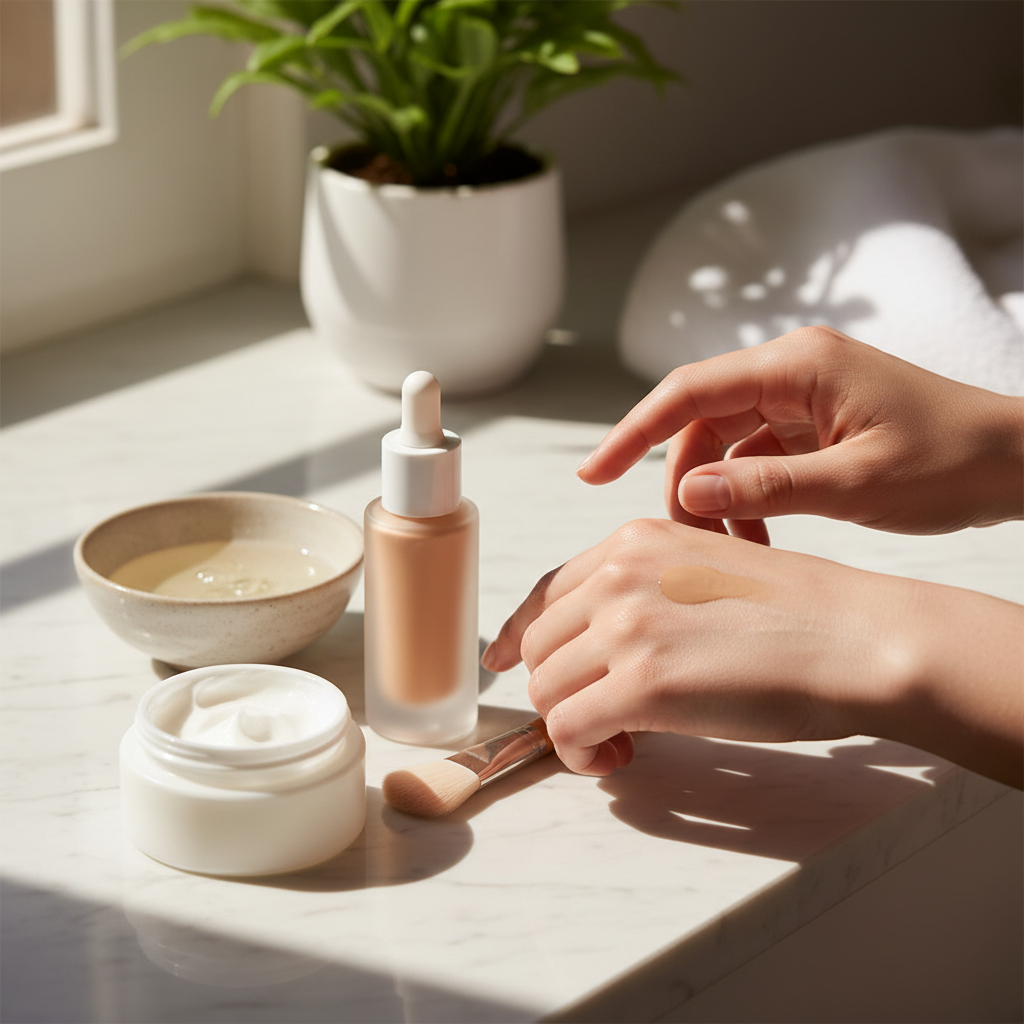
- Apply Skin Tint: Dispense a small amount onto your fingertips, a damp beauty sponge, or a foundation brush. Start in the center of your face and blend outwards. The goal is light, even coverage that enhances your natural skin. Build up sparingly if you desire a touch more coverage in specific areas.
- Optional Makeup: If desired, follow with concealer on specific spots, a touch of blush, or brow products.
This sequence ensures your skin receives its full dose of beneficial ingredients before the tint provides its subtle perfecting touch. The lightweight nature of skin tints means they layer beautifully without pilling or feeling heavy.
Are Skin Tints Right for My Skin Type and Concerns?
The versatility of skin tints makes them suitable for a wide array of skin types and concerns, especially given the advanced formulations available in 2026. However, choosing the right one requires a bit of discernment.
For Oily & Acne-Prone Skin:
Look for skin tints labeled “non-comedogenic,” “oil-free,” or “mattifying.” Formulas containing niacinamide can help regulate oil production and minimize the appearance of pores, while salicylic acid can provide gentle exfoliation and help prevent breakouts. A lightweight, breathable texture is crucial to avoid feeling heavy or contributing to congestion. Mineral SPF versions are often well-tolerated by sensitive, acne-prone skin.
For Dry & Dehydrated Skin:
Prioritize tints rich in humectants like hyaluronic acid and glycerin, and emollients such as squalane or ceramides. These ingredients will provide an extra layer of hydration, preventing dryness and flakiness throughout the day. A dewy or luminous finish will also enhance the look of hydrated skin. Avoid tints with mattifying claims or high alcohol content.
For Combination Skin:
This skin type often benefits from balanced formulations. You might look for tints that offer hydration without excess oil, perhaps with a natural or satin finish. Ingredients like niacinamide are excellent for combination skin as they can address both oiliness in the T-zone and dryness in other areas, promoting overall skin balance.
For Sensitive Skin:
Opt for “fragrance-free” and “hypoallergenic” formulations. Mineral-based SPF (zinc oxide, titanium dioxide) is often less irritating than chemical sunscreens. Keep an eye out for soothing ingredients like allantoin or bisabolol. Always patch-test new products if you have highly reactive skin.
For Mature Skin:
Skin tints can be particularly flattering for mature skin, as their sheer coverage doesn’t settle into fine lines or wrinkles, offering a more natural, youthful radiance than heavier foundations. Seek out formulations with peptides for anti-aging benefits, hyaluronic acid for plumping hydration, and antioxidants like Vitamin C for brightening and protection. A luminous or dewy finish will also help impart a healthy glow.
“The beauty of skin tints lies in their ability to adapt. With the right formulation, anyone can find a tint that not only perfects their complexion but also actively supports their skin health, aligning with the holistic approach to beauty we champion in 2026.” – SkincareUM Editorial Board
Drugstore vs. Prestige: What’s the Real Difference in Skin Tints?
The skincare market offers a vast spectrum of products, and skin tints are no exception, ranging from accessible drugstore options to high-end prestige brands. While price often correlates with perceived quality, the actual differences can be nuanced.
Formulation & Ingredients:
Prestige brands often invest heavily in proprietary technologies, unique ingredient complexes, and higher concentrations of cutting-edge actives. They might feature newer forms of peptides, advanced delivery systems for Vitamin C, or sustainably sourced, rare botanical extracts. Drugstore brands, while increasingly sophisticated, typically stick to well-established, FDA-approved actives in standard concentrations (e.g., standard hyaluronic acid, niacinamide, mineral SPF). However, this doesn’t mean drugstore options are inferior; many deliver excellent results with proven ingredients.
Sensory Experience:
Luxury tints often prioritize the tactile and olfactory experience – elegant packaging, refined textures, and subtle, sophisticated scents (though fragrance-free options are common in both categories). Drugstore brands focus more on efficacy and accessibility, with packaging that is functional and practical.
Shade Range:
Historically, prestige brands often offered broader and more nuanced shade ranges, especially for deeper skin tones. However, in 2026, many drugstore brands have significantly expanded their offerings, making inclusive shade ranges a standard expectation across the board. Always check swatches and reviews to ensure a good match for your skin tone.
Innovation & Research:
Prestige brands frequently lead with innovation, introducing novel ingredients or unique delivery systems that eventually trickle down to more affordable options. They often have larger R&D budgets to explore new frontiers in dermo-cosmetics. However, many drugstore brands are backed by large pharmaceutical companies with significant research capabilities, ensuring their products are rigorously tested and effective.
Dermatologist Consensus: Dermatologists generally emphasize ingredient efficacy and formulation over brand name or price point. Both drugstore and prestige brands can offer excellent skin tints, provided they contain beneficial actives, are appropriate for your skin type, and are formulated without common irritants. The key is to read ingredient lists and reviews, and prioritize formulations that align with your skin’s needs and your budget.
Frequently Asked Questions
Can I skip moisturizer if my skin tint is hydrating?
While many skin tints are formulated with hydrating ingredients like hyaluronic acid and glycerin, they are generally not a complete substitute for a dedicated moisturizer, especially for dry or mature skin types. A moisturizer provides a foundational layer of hydration and nourishment that helps support the skin barrier. Think of the tint’s hydrating benefits as a boost, not a replacement. For oily skin, a very lightweight hydrating tint might suffice, but it’s always best to assess your skin’s needs.
Do I still need a separate SPF if my skin tint has SPF?
Yes, dermatologists generally recommend applying a separate broad-spectrum SPF 30 (or higher) sunscreen as the last step of your skincare routine, even if your skin tint contains SPF. To achieve the SPF listed on a product, you need to apply a very specific amount (about a quarter teaspoon for the face), which is often more than you’d typically use for a light layer of skin tint. Relying solely on the SPF in your makeup or tint can leave you under-protected, especially with current understanding of sunscreen reapplication science.
How do I choose the right shade for a skin tint?
Choosing a skin tint shade is often easier than foundation because of its sheer coverage. It’s less about a perfect match and more about finding a shade that subtly enhances your natural skin tone. Look for a shade that disappears into your jawline or neck. Many brands categorize shades by undertone (cool, warm, neutral), which can also help. If you’re between shades, err on the lighter side, as a sheer tint will blend more forgivingly. Online shade finders and trying samples in-store are your best bets.
Are skin tints suitable for all-day wear?
Yes, most skin tints are designed for comfortable all-day wear. Their lightweight, breathable formulas make them less likely to feel heavy or cakey as the day progresses, especially compared to heavier foundations. Many also contain long-wearing polymers. However, if you have very oily skin or live in a humid climate, you might consider a light dusting of setting powder in your T-zone to ensure longevity.
What’s the best way to apply a skin tint?
The best application method often comes down to personal preference and the tint’s specific texture. For the most natural, skin-like finish, many prefer using clean fingertips to warm the product and blend it seamlessly into the skin. A damp beauty sponge can offer a slightly more polished, even finish, while a soft, dense foundation brush can provide a bit more coverage if desired. Start with a small amount and build up as needed.
Conclusion
In a skincare landscape increasingly focused on skin health and effortless radiance, skin tints stand out as a truly innovative category. They offer the perfect synergy of subtle complexion enhancement and potent skincare benefits, aligning perfectly with the desire for a natural, glowing look that feels as good as it looks. By understanding their unique position among complexion products and integrating them thoughtfully into your routine, you can embrace the “my skin but better” philosophy and achieve a beautifully healthy, enhanced complexion every day.