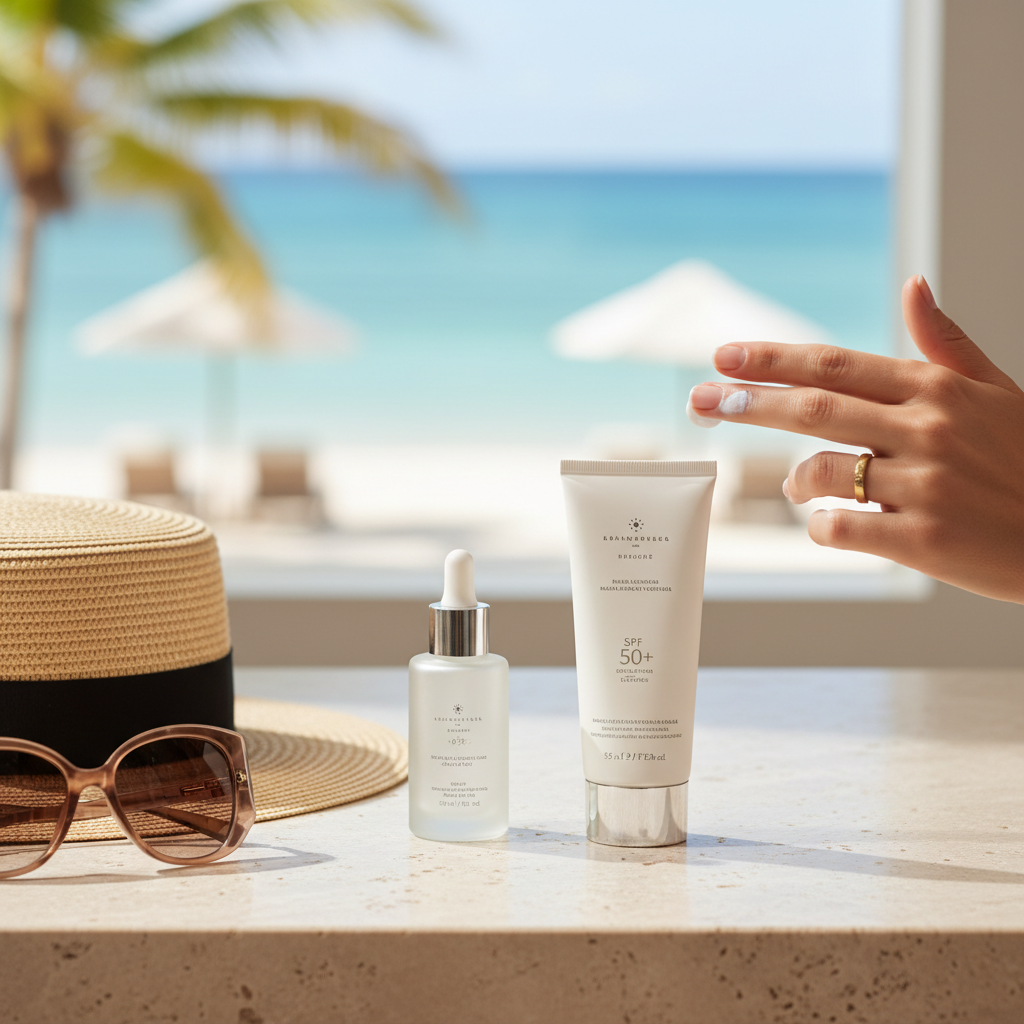
Layering a high-quality Vitamin C serum under a broad-spectrum SPF is a dermatologist-recommended strategy for superior sun damage prevention. This powerful duo works synergistically: Vitamin C neutralizes free radicals and boosts collagen, while SPF provides a physical or chemical barrier against UV radiation, offering enhanced protection beyond what either product can achieve alone.
Introduction
In the evolving landscape of skincare, one truth remains constant: protecting your skin from the sun is paramount. But what if you could do more than just block UV rays? What if you could actively neutralize the damage that slips through, even with diligent SPF application? Welcome to the synergy of Vitamin C and SPF, a partnership that in 2026, is understood not just as beneficial, but essential for comprehensive sun damage prevention and overall skin health.
Why is Sun Damage Prevention Still So Important in 2026?
Despite advancements in skincare and increasing public awareness, the statistics on sun damage and skin cancer remain a stark reminder of the sun’s potent effects. UVA and UVB rays are silent aggressors, leading to premature aging, hyperpigmentation, collagen degradation, and significantly increasing the risk of various skin cancers. In 2026, our understanding of cumulative sun exposure, even incidental, has deepened, emphasizing that prevention isn’t just about beach days, but every single day. The focus has shifted from merely treating damage to robust, proactive protection, making the combination of antioxidants and SPF a non-negotiable step in any effective skincare regimen.
What’s the Science Behind Vitamin C and SPF Synergy?
Understanding how Vitamin C and SPF work individually and together reveals why their combination is so powerful.
How Does Vitamin C Work?
Vitamin C, particularly L-Ascorbic Acid, is a potent antioxidant. When applied topically, it scavenges free radicals generated by UV exposure and environmental pollutants, which can otherwise damage skin cells, DNA, and collagen. Beyond its antioxidant prowess, Vitamin C is crucial for collagen synthesis, helping to maintain skin firmness and reduce the appearance of fine lines. It also inhibits melanin production, which can help fade existing dark spots and prevent new ones, contributing to a brighter, more even skin tone.
How Does SPF Work?
SPF (Sun Protection Factor) products create a protective barrier on the skin to absorb, reflect, or scatter UV radiation before it can penetrate and cause damage. Mineral SPFs, containing zinc oxide and titanium dioxide, primarily reflect UV rays. Chemical SPFs, with ingredients like avobenzone and octinoxate, absorb UV radiation and convert it into heat, which is then released from the skin. Both types are designed to reduce the amount of UV light reaching your skin, preventing sunburn and long-term damage.
The Synergistic Effect: Enhanced Protection
While SPF is incredibly effective at blocking UV rays, no sunscreen can offer 100% protection, and some free radicals can still penetrate the skin. This is where Vitamin C steps in. By applying Vitamin C before SPF, you create a dual defense system. The Vitamin C acts as a “backup” antioxidant, neutralizing the free radicals that might slip past your SPF, effectively boosting your overall protection against oxidative stress and environmental damage. This combination provides a more comprehensive shield against the full spectrum of sun damage, from collagen breakdown to hyperpigmentation.
Which Types of Vitamin C and SPF Should I Look For?
Not all Vitamin C and SPF products are created equal. Choosing the right formulations is key to maximizing benefits.
Vitamin C Forms and Stability
- L-Ascorbic Acid: The purest and most biologically active form of Vitamin C, considered the gold standard. Look for concentrations between 10-20% for optimal efficacy. It’s notoriously unstable, so seek products in opaque, air-tight packaging, often with ferulic acid and Vitamin E, which enhance its stability and antioxidant power.
- Vitamin C Derivatives: More stable forms that convert to L-Ascorbic Acid in the skin. Examples include Ascorbyl Tetraisopalmitate, Magnesium Ascorbyl Phosphate, and 3-O-Ethyl Ascorbic Acid. While often gentler and more stable, they may not be as potent as L-Ascorbic Acid at equivalent concentrations. They can be excellent for sensitive skin or those new to Vitamin C.
SPF Types and Broad-Spectrum Protection
Always choose a “broad-spectrum” SPF, meaning it protects against both UVA (aging rays) and UVB (burning rays). An SPF of 30 or higher is recommended for daily use.
- Mineral SPFs: Containing Zinc Oxide and/or Titanium Dioxide. These are often preferred for sensitive skin as they sit on the skin’s surface and are less likely to cause irritation. Modern formulations have minimized the white cast.
- Chemical SPFs: Contain organic compounds like Avobenzone, Octinoxate, Octisalate, and Oxybenzone. These absorb UV rays. While some older formulations faced scrutiny, FDA-approved chemical filters are generally safe and effective. New generation filters are continually being researched and introduced globally.
What’s the Best Way to Layer Vitamin C and SPF for Maximum Benefit?
The order of application is crucial for these ingredients to perform optimally.
Your Morning Sun Damage Prevention Routine
- Cleanse: Start with a gentle cleanser to remove overnight impurities without stripping your skin.
- Tone (Optional): If you use a toner, apply it after cleansing.
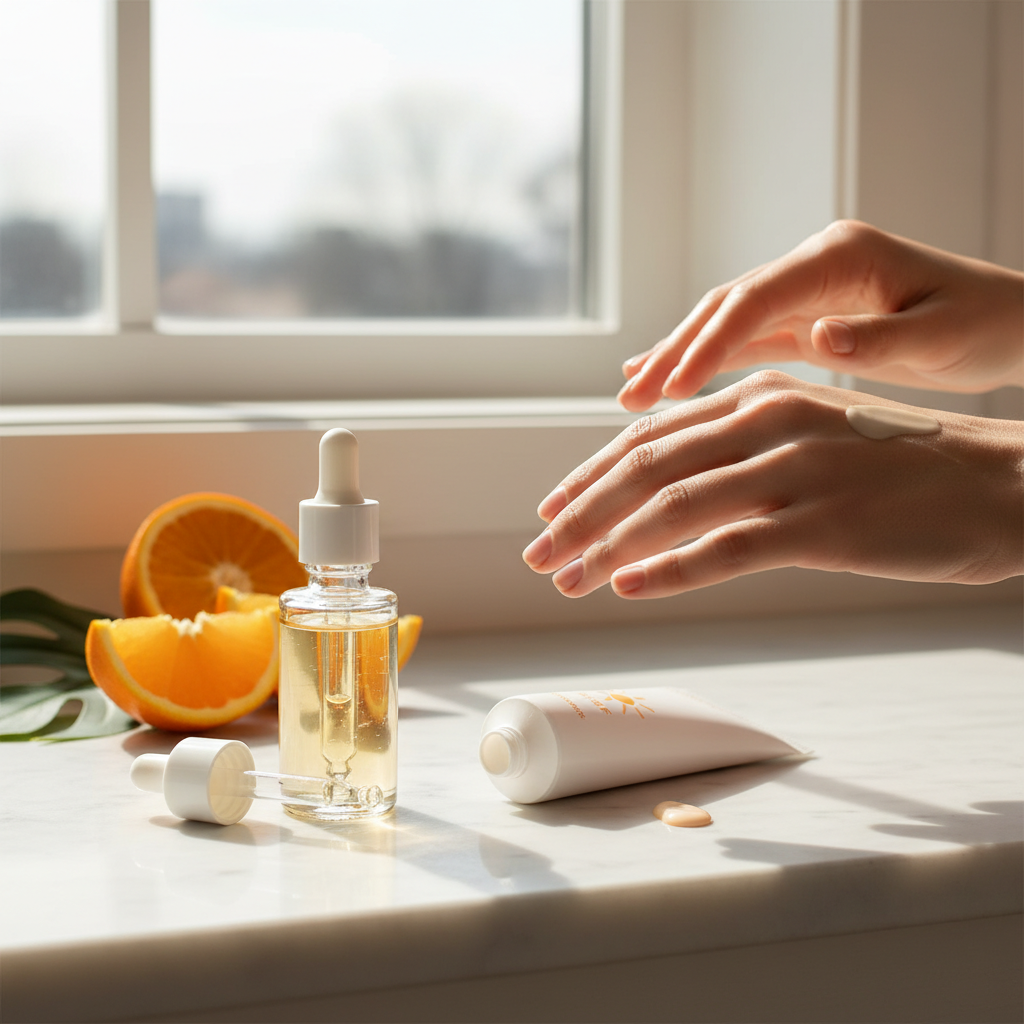
- Vitamin C Serum: Apply your Vitamin C serum to clean, dry skin. A few drops are usually sufficient for the entire face and neck. Allow it to fully absorb for 1-2 minutes. This ensures the antioxidant can penetrate and work effectively without being diluted or destabilized by subsequent products.
- Moisturizer: If your skin needs additional hydration, apply a lightweight moisturizer. This step helps to seal in the Vitamin C and prepare your skin for SPF. Allow it to absorb fully.
- Broad-Spectrum SPF: This is your final skincare step. Apply a generous amount (at least a nickel-sized dollop for your face) of broad-spectrum SPF 30 or higher. Ensure even coverage. Wait a few minutes before applying makeup to allow it to set.
Pro Tip: For optimal results, apply Vitamin C to slightly damp skin (after toning, if applicable) to aid absorption, but ensure it’s not dripping wet. Always ensure each product has absorbed before applying the next.
Reapplication Strategies (2026 Focus)
The science of sunscreen reapplication has evolved. While traditional advice suggested reapplication every two hours, 2026 trends emphasize convenience and efficacy for real-world scenarios. For daily, incidental exposure, a morning application is often sufficient, but if you’re outdoors for extended periods, sweating, or swimming, reapplication is non-negotiable. Modern options include:
- SPF Mists: Fine, non-greasy sprays that can be applied over makeup.
- SPF Powders: Mineral-based powders with SPF that offer touch-ups and help control shine.
- SPF Sticks: Convenient for targeted reapplication on areas like the nose, ears, and around the eyes.
Always check the product instructions for specific reapplication guidance.
How Do Other Actives Fit Into My Sun Damage Prevention Routine?
Many other powerful actives can complement your Vitamin C and SPF routine, primarily in the evening.
- Retinol/Retinal: Vitamin A derivatives that accelerate cell turnover, stimulate collagen, and improve skin texture and tone. Best used in the evening as they can increase sun sensitivity. Retinal (retinaldehyde) is a newer, often faster-acting form of retinol.
- Niacinamide (Vitamin B3): A versatile ingredient that strengthens the skin barrier, reduces inflammation, minimizes pore appearance, and evens skin tone. It pairs well with almost all actives, including Vitamin C and SPF, and can be used morning or evening.
- Hyaluronic Acid: A humectant that attracts and holds up to 1000 times its weight in water, providing intense hydration and plumping the skin. Compatible with all routines, morning or evening.
- Salicylic Acid (BHA) & AHAs (Glycolic, Lactic Acid): Exfoliating acids that remove dead skin cells, improve texture, and clear pores. Best used in the evening due to increased sun sensitivity.
- Peptides: Short chains of amino acids that signal the skin to produce more collagen, elastin, or other beneficial molecules. They support skin structure and reduce signs of aging. Generally compatible with other actives and can be used morning or evening.
- Ceramides: Lipids that are essential components of the skin barrier. They help retain moisture and protect against environmental aggressors. Crucial for barrier repair and ideal for dry or sensitive skin, often found in moisturizers.
When incorporating multiple actives, introduce them slowly and observe your skin’s reaction. A “less is more” approach is often best, especially for sensitive skin.
Can I Use Dermal-Grade At-Home Tools with My Vitamin C and SPF Routine?
The rise of dermal-grade at-home tools, from microcurrent devices to LED masks and even gentle micro-needling pens, offers exciting possibilities for enhancing skincare results. When using these tools, particularly those that create micro-injuries or increase skin sensitivity:
“Always prioritize skin barrier health and rigorous sun protection. Post-treatment, your skin is often more vulnerable to UV damage. Ensure your Vitamin C and SPF application is consistent and thorough, especially after treatments that involve exfoliation or resurfacing. Consult product guidelines for specific post-treatment care.”
For tools like microcurrent or LED, which don’t compromise the skin barrier significantly, they can typically be integrated seamlessly into your routine, often before serum application. However, any tool that causes increased sensitivity mandates diligent SPF use.
How Do I Choose the Right Products: Drugstore vs. Prestige, and for My Skin Type?
Navigating the vast skincare market requires understanding your needs and budget.
Drugstore vs. Prestige
- Drugstore: Many drugstore brands offer highly effective products with FDA-approved actives, often at accessible price points. Formulations have significantly improved, providing stable Vitamin C serums and broad-spectrum SPFs that deliver real results. The key is to look for active ingredient percentages and good packaging.
- Prestige: Higher-end brands often invest in unique delivery systems, luxurious textures, and proprietary blends of ingredients. While they can be excellent, the higher price doesn’t always guarantee superior efficacy compared to a well-formulated drugstore alternative. Focus on ingredients and proven results rather than just brand name.
Consider Your Skin Type
- Oily/Acne-Prone: Look for non-comedogenic, oil-free formulas. Gel or lightweight serum textures for Vitamin C and matte-finish, fluid SPFs. Salicylic acid can be a beneficial evening active.
- Dry/Mature: Opt for hydrating Vitamin C serums with richer textures, and moisturizing SPFs. Look for ingredients like hyaluronic acid, ceramides, and peptides to support barrier function and hydration.
- Sensitive: Choose fragrance-free, minimal-ingredient formulations. Mineral SPFs (zinc oxide, titanium dioxide) are often better tolerated. For Vitamin C, consider derivatives (like Magnesium Ascorbyl Phosphate) or lower concentrations of L-Ascorbic Acid initially.
- Combination: You might need to balance different needs. A lightweight Vitamin C serum and a broad-spectrum SPF that isn’t overly heavy or drying can work well.
Dermatologist Consensus: When in doubt, consulting a board-certified dermatologist is always the best approach. They can offer personalized recommendations based on your unique skin concerns and history, guiding you towards products and routines that are both safe and effective.
Product Comparison for Enhanced Sun Protection
Here’s a hypothetical comparison of products designed to work synergistically for sun damage prevention.
| Product Category | Example Product Name | Key Actives / Features | SPF Type / Vitamin C Form | Target Skin Type / Benefit |
|---|---|---|---|---|
| Vitamin C Serum | Radiant Glow C-Boost Serum | 15% L-Ascorbic Acid, Ferulic Acid, Vitamin E | L-Ascorbic Acid (pure) | All (especially dull/aging), antioxidant defense, brightening |
| Moisturizer with Niacinamide | Barrier Renew Daily Cream | 5% Niacinamide, Ceramides, Hyaluronic Acid | N/A (enhances skin barrier) | All (especially sensitive/dry), barrier repair, hydration |
| Mineral SPF | Invisible Shield Mineral SPF 50 | Zinc Oxide (20%), Titanium Dioxide (5%), Antioxidant Blend | Mineral (Physical) | Sensitive, post-procedure, broad-spectrum UV protection |
| Chemical SPF | Daily Defense Fluid SPF 45 | Avobenzone, Octinoxate, Octisalate, hydrating agents | Chemical | Normal to oily, lightweight feel, broad-spectrum UV protection |
| Reapplication SPF | Sun Touch-Up SPF Powder | Zinc Oxide, Titanium Dioxide, Silica | Mineral (Physical) | All (especially oily/makeup wearers), convenient reapplication |
Key Takeaways for Your Daily Sun Damage Prevention Routine
- Consistency is Key: Apply Vitamin C and SPF every single morning, regardless of weather or indoor plans.
- Order Matters: Vitamin C serum goes on clean, dry skin first, followed by moisturizer (if needed), then SPF as the final step.
- Generous SPF Application: Use a sufficient amount of broad-spectrum SPF (at least SPF 30) for full coverage.
- Reapply When Needed: If outdoors, sweating, or swimming, reapply SPF every two hours. Utilize modern reapplication formats like mists or powders.
- Listen to Your Skin: Introduce new products slowly and pay attention to how your skin reacts. Adjust concentrations or formulations if irritation occurs.
- Evening Actives: Reserve potent actives like retinoids and exfoliating acids for your evening routine to avoid increased sun sensitivity during the day.
- Dermatologist Guidance: Don’t hesitate to consult a dermatologist for personalized advice, especially if you have specific skin concerns or conditions.
Frequently Asked Questions
Can I mix Vitamin C with my SPF to save time?
No, it’s generally not recommended. Mixing can dilute the efficacy of both products, potentially destabilize the Vitamin C, or interfere with the SPF’s ability to form an even protective film on your skin. Apply them in separate layers, allowing each product to absorb properly.
What if my Vitamin C serum already contains SPF? Is that enough?
While some products claim to combine Vitamin C and SPF, it’s often best to use separate, dedicated products. Formulating a stable Vitamin C with effective, broad-spectrum SPF at adequate levels in a single product is challenging. A standalone Vitamin C serum followed by a separate SPF ensures you’re getting optimal concentrations and protection from both.
Can I use Vitamin C at night instead of the morning?
Yes, you can use Vitamin C at night, and it will still provide antioxidant benefits and aid in collagen production. However, for enhanced sun damage prevention and free radical scavenging during the day, applying it in the morning under your SPF is ideal. If you use retinoids at night, you might choose to use Vitamin C in the morning to avoid potential irritation from layering too many strong actives.
How long does it take to see results from layering Vitamin C and SPF?
While the protective benefits of SPF are immediate upon application, the visible improvements from Vitamin C (like brighter skin, reduced hyperpigmentation, and improved texture) typically take 4-8 weeks of consistent daily use. The long-term benefit of preventing premature aging and sun damage is a continuous process that improves with consistent adherence to the routine.
Is a higher SPF always better?
While higher SPFs offer slightly more protection (e.g., SPF 30 blocks about 97% of UVB rays, SPF 50 blocks about 98%), the difference is marginal. The most important factors are using a broad-spectrum formula, applying a generous amount, and reapplying regularly. Don’t rely solely on a high SPF number; consistent application of at least SPF 30 is more impactful.
Conclusion
In 2026, the strategy of layering Vitamin C with SPF has moved beyond a trend to become a cornerstone of intelligent skincare. This powerful pairing offers a formidable defense against sun damage, enhancing protection, boosting skin health, and preserving your youthful radiance. By understanding the science and embracing a consistent, evidence-informed routine, you empower your skin to not just withstand, but thrive against the daily challenges of environmental exposure.