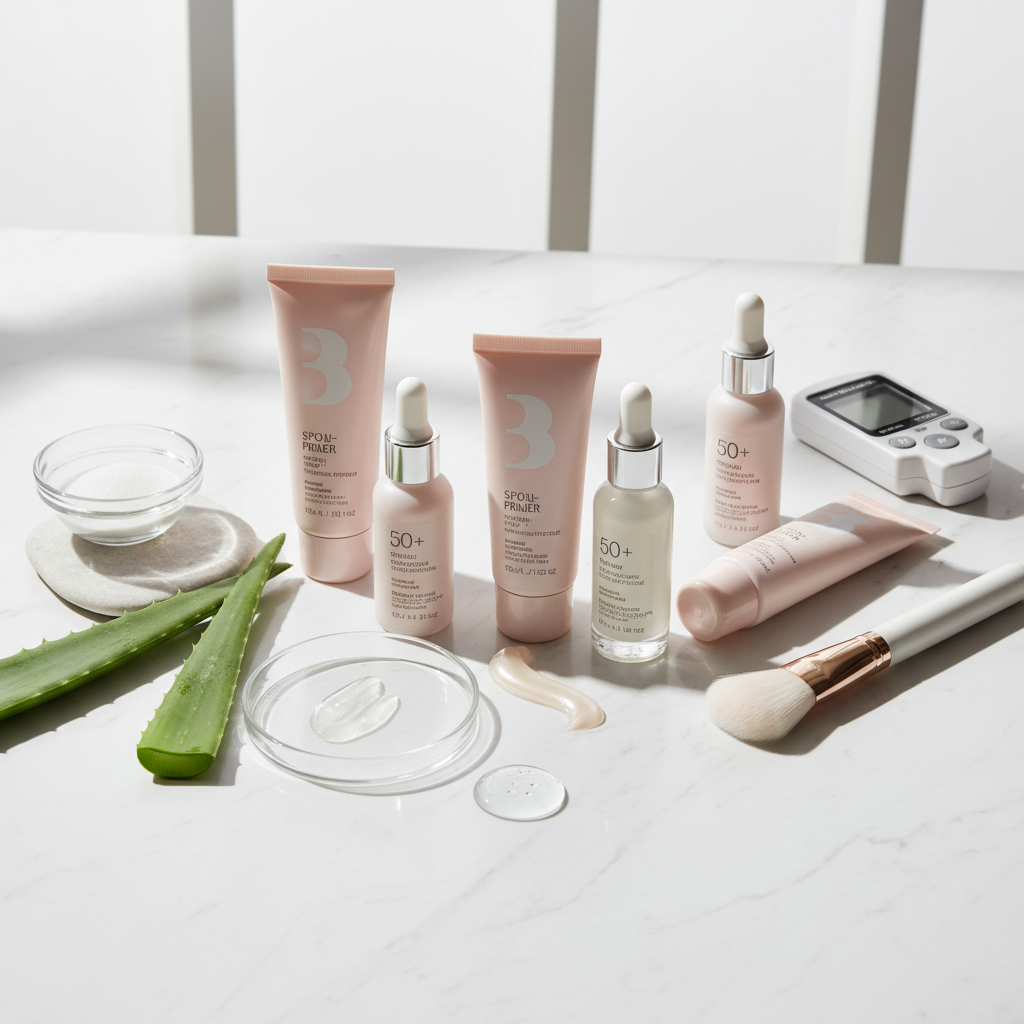
In 2026, the best makeup primers with SPF seamlessly integrate broad-spectrum sun protection with advanced skincare benefits, creating an ideal canvas for makeup while safeguarding your skin. These multi-tasking formulas minimize makeup transfer, blur imperfections, and often infuse skin with hydrating or oil-controlling actives, making them indispensable for a streamlined, protective beauty routine. Prioritize formulas with SPF 30 or higher and consider your skin type for optimal results and finish.
Introduction
In the evolving landscape of beauty, the line between skincare and cosmetics continues to blur, giving rise to innovative products that serve multiple purposes. One such innovation, the makeup primer with SPF, has become a non-negotiable step for many women across the United States. No longer just about extending makeup wear, these sophisticated formulas are now powerhouses of protection and skin optimization, reflecting our collective desire for efficiency, efficacy, and proactive skin health. SkincareUM is here to guide you through the best options available in 2026, helping you achieve a flawless look that’s also fiercely protected.
What Makes a Makeup Primer with SPF “Best” in 2026?
The quest for the ideal SPF primer involves more than just a high SPF number. Modern consumers demand intelligent formulations that cater to specific needs, integrate seamlessly into existing routines, and deliver tangible benefits beyond mere sun protection. Here’s what sets the top contenders apart:
Broad-Spectrum Protection: Non-Negotiable SPF 30+
The primary function remains paramount: robust protection against both UVA (aging) and UVB (burning) rays. In 2026, a minimum of SPF 30 is the standard, with SPF 40-50 being increasingly common and preferred for daily wear, even indoors or on cloudy days. Look for primers clearly labeled “broad-spectrum” to ensure comprehensive defense.
Flawless Formula Compatibility: The Makeup Marriage
A superior SPF primer must act as a true primer, creating a smooth, even base that grips makeup effectively without pilling, streaking, or altering its finish. It should extend wear time, minimize transfer, and often offer blurring or pore-refining properties. The best formulas feel lightweight and absorb quickly, becoming one with your skin rather than sitting on top of it.
Integrated Skincare Benefits: Beyond the Basics
This is where 2026 primers truly shine. They’re often enriched with active ingredients that address specific skin concerns. Whether it’s intense hydration, oil control, antioxidant defense, or barrier support, the best SPF primers are working overtime for your skin health, even before your foundation goes on.
Texture and Finish: Tailored to Your Skin
A primer’s texture and the finish it imparts are critical for user satisfaction. Oily skin types will seek mattifying, lightweight gels, while dry or mature skin may prefer hydrating, dewy creams. Sensitive skin types will prioritize fragrance-free, non-comedogenic options, often with mineral UV filters. The “best” primer is ultimately the one that feels right and looks right on your skin.
Mineral vs. Chemical SPF Primers: Which is Right for You?
The choice between mineral and chemical sunscreen filters is a perennial discussion, and it extends to SPF primers. Both types offer effective protection, but they work differently and have distinct characteristics.
Mineral SPF Primers: The Gentle Guard
Mineral primers typically contain zinc oxide and/or titanium dioxide. These active ingredients sit on the skin’s surface, creating a physical barrier that reflects and scatters UV rays away from the skin.
- How they work: Act as a physical block, deflecting UV radiation.
- Benefits: Often preferred for sensitive skin, acne-prone skin, or those with rosacea because they are generally less irritating. They are effective immediately upon application. Many newer formulations use non-nano zinc oxide, addressing concerns about particle size and absorption.
- Considerations: Can sometimes leave a white cast, especially on deeper skin tones, though modern formulations are significantly better at blending invisibly. Textures can feel slightly thicker.
Chemical SPF Primers: The Invisible Shield
Chemical primers utilize organic compounds like avobenzone, octinoxate, octisalate, and homosalate (note: older filters like oxybenzone are increasingly being phased out due to environmental and health concerns). These ingredients absorb UV radiation and convert it into heat, which is then released from the skin.
- How they work: Absorb UV radiation, converting it into heat.
- Benefits: Tend to be lighter in texture, absorb fully without a white cast, and are often preferred for their cosmetically elegant feel.
- Considerations: May cause irritation for some very sensitive skin types. Require about 15-20 minutes to become fully effective after application.
| Feature | Mineral SPF Primers | Chemical SPF Primers |
|---|---|---|
| Key Actives | Zinc Oxide, Titanium Dioxide | Avobenzone, Octinoxate, Octisalate, Homosalate (modern blends) |
| Mechanism | Reflects/Scatters UV rays (physical barrier) | Absorbs UV rays, converts to heat |
| White Cast Potential | Can occur, but improved with modern micronized/tinted formulas | Generally minimal to none |
| Ideal For | Sensitive, acne-prone, rosacea-prone, post-procedure skin | Most skin types, those seeking lightweight, invisible finish |
| Application Timing | Effective immediately | Needs 15-20 mins to absorb and activate |
| Texture | Can feel slightly thicker, but many are now lightweight | Often very lightweight, fluid, or gel-like |
Beyond SPF: What Skincare Actives Should You Look for in a Primer?
The best SPF primers are not just about sun protection; they’re also potent skincare treatments. Understanding the role of key actives can help you select a primer that truly benefits your skin.
Hydrators for a Plump Canvas
- Hyaluronic Acid: A powerful humectant that attracts and holds up to 1,000 times its weight in water, providing immediate and long-lasting hydration for a plump, smooth skin surface.
- Glycerin: Another excellent humectant that draws moisture from the air into the skin, helping to maintain hydration and skin barrier function.
- Ceramides: Essential lipids that make up a significant portion of the skin barrier, helping to retain moisture and protect against environmental aggressors. Crucial for barrier health, a key focus in 2026 skincare.
Antioxidants for Environmental Defense
- Vitamin C (Ascorbic Acid): A potent antioxidant that brightens skin, reduces hyperpigmentation, stimulates collagen production, and protects against free radical damage.
- Vitamin E (Tocopherol): A fat-soluble antioxidant that helps protect cell membranes from oxidative stress and supports skin healing.
- Niacinamide (Vitamin B3): A versatile active that reduces inflammation, minimizes pore appearance, improves skin tone, strengthens the skin barrier, and offers antioxidant benefits.
Oil Control & Pore Refinement
- Salicylic Acid (BHA): A beta-hydroxy acid that is oil-soluble, allowing it to penetrate pores, exfoliate from within, and help control sebum production and prevent breakouts. Often used in gentle concentrations in primers.
- Niacinamide: Also effective in regulating sebum production and improving the appearance of enlarged pores, making it a favorite for oily and combination skin types.
Soothers for Sensitive Skin
- Bisabolol: Derived from chamomile, it’s known for its anti-inflammatory and soothing properties, helping to calm irritated skin.
- Allantoin: A gentle, non-irritating ingredient that helps to heal, soothe, and protect the skin.
- Centella Asiatica (Cica): A beloved ingredient for its healing, soothing, and anti-inflammatory benefits, especially for compromised or sensitive skin.
How Do I Choose the Right SPF Primer for My Skin Type?
Selecting the perfect SPF primer hinges on understanding your skin’s unique needs and how different formulations can address them. What works wonders for one skin type might be counterproductive for another.
For Oily and Combination Skin
Look for primers labeled “mattifying,” “oil-free,” or “pore-minimizing.” Gel-based or lightweight fluid textures are ideal. Ingredients like niacinamide, salicylic acid (in gentle concentrations), and silica can help absorb excess oil, reduce shine, and blur the appearance of pores, creating a smooth, matte canvas that helps makeup last longer without slipping.
For Dry and Dehydrated Skin
Prioritize primers that offer intense hydration and a dewy finish. Creamier textures enriched with hyaluronic acid, glycerin, ceramides, and nourishing plant oils are excellent choices. These primers not only provide sun protection but also plump the skin, reduce the look of fine lines, and prevent makeup from clinging to dry patches.
For Sensitive Skin
The key here is gentle formulation. Opt for mineral SPF primers (zinc oxide, titanium dioxide) as they are less likely to irritate. Avoid common irritants like fragrance, essential oils, and certain chemical filters. Look for soothing ingredients such as bisabolol, allantoin, or centella asiatica. Patch testing is always recommended for new products.
For Mature Skin
Mature skin often benefits from hydrating, plumping, and antioxidant-rich primers. Look for formulas that offer a radiant or dewy finish, as matte products can sometimes emphasize fine lines. Ingredients like peptides, hyaluronic acid, vitamin C, and ceramides can help improve skin elasticity, provide a youthful glow, and offer additional environmental protection.
The 2026 Approach to Sun Protection: Primers as Part of a Multi-Layered Strategy
In 2026, the understanding of sun protection has evolved beyond a single product application. An SPF primer is a crucial component of a comprehensive defense system, not a standalone solution. Dermatologists and skincare experts consistently advocate for a multi-layered approach.
Think of your SPF primer as your secondary line of defense, layered over your primary broad-spectrum sunscreen. This approach ensures you’re getting adequate protection, as it’s notoriously difficult to apply enough primer to reach the stated SPF value on its own. Furthermore, consider incorporating practices like using UPF clothing, seeking shade, and wearing wide-brimmed hats. For reapplication throughout the day, especially over makeup, innovative products like SPF setting sprays or brush-on mineral powders are increasingly popular and effective, ensuring continuous protection without disturbing your look. This holistic strategy acknowledges that while dermal-grade at-home tools like LED masks and microcurrent devices enhance skin health, they don’t replace daily sun protection, making the SPF primer an essential bridge in your routine.
How to Apply Your SPF Primer for Maximum Benefit
Proper application is key to maximizing both the sun protection and cosmetic benefits of your SPF primer. Follow these steps for a flawless and protected base:
- Cleanse & Treat: Start with freshly cleansed skin. Apply any serums (e.g., Vitamin C, Hyaluronic Acid) or essences you normally use, allowing them to fully absorb.
- Moisturize: Follow with your regular moisturizer. Give it a few minutes to sink into your skin completely. This prevents pilling when you apply your primer.
- Apply Your Primary Sunscreen (Optional, but Recommended): If you’re committed to robust protection, apply a dedicated broad-spectrum sunscreen (SPF 30+) as your first layer of SPF. Let it set for a few minutes.
- Generous Primer Application: Dispense a generous amount of your SPF primer – about a pea-sized to nickel-sized amount, depending on the product and your face size. Remember, you need sufficient product for proper SPF coverage.
- Blend Evenly: Dot the primer onto key areas of your face (forehead, cheeks, nose, chin) and gently blend it outwards using your fingertips. Ensure even coverage, paying attention to areas often missed, like the jawline and around the hairline.
- Allow to Set: Give the primer 1-2 minutes to fully set and create its gripping effect before applying your foundation or other makeup. This helps prevent streaking and ensures a smooth application.
- Follow with Makeup: Proceed with your usual makeup routine.
Frequently Asked Questions
Can an SPF primer replace my regular sunscreen?
While an SPF primer provides valuable sun protection, it’s generally recommended to use it as an additional layer of defense rather than a replacement for your dedicated broad-spectrum sunscreen. Most people do not apply enough primer to achieve the stated SPF on the label, making a separate sunscreen essential for optimal protection.
How much SPF primer should I use?
For adequate sun protection, you typically need to apply about a quarter teaspoon for your face alone. While this might seem like a lot for a primer, aim for a generous pea-sized to nickel-sized amount and ensure even coverage. If using it as a secondary SPF layer, you might use slightly less, but never skimp on your primary sunscreen.
Will an SPF primer cause flashback in photos?
Some mineral SPF primers, especially those with high concentrations of zinc oxide or titanium dioxide, can potentially cause flashback (a white cast in flash photography). However, modern formulations, particularly those with micronized or tinted mineral filters, have significantly reduced this issue. Chemical SPF primers are less likely to cause flashback.
Is it okay to layer an SPF primer over another SPF product?
Yes, layering an SPF primer over your regular broad-spectrum sunscreen is an excellent strategy for enhanced protection. The SPF values do not add up (e.g., SPF 30 + SPF 30 does not equal SPF 60), but layering ensures more thorough coverage and provides a safety net if you didn’t apply enough of your first SPF product.
What’s the difference between retinal and retinol in the context of primers, and should I look for them?
Retinal (retinaldehyde) is a potent retinoid that is one step closer to retinoic acid (the active form) than retinol, making it generally more effective but also potentially more irritating. While retinol and retinal are powerful anti-aging ingredients, they are typically found in night treatments due to their sensitivity to sunlight and potential for irritation. It’s highly unlikely and generally not recommended to find them in an SPF primer, as their benefits would be diminished by sun exposure and they could increase photosensitivity. Focus on antioxidants and hydrators in your SPF primer instead.
Conclusion
The best makeup primers with SPF in 2026 are true multitaskers, offering a sophisticated blend of sun protection, makeup longevity, and targeted skincare benefits. By understanding your skin type, recognizing key active ingredients, and choosing between mineral and chemical filters, you can select a primer that not only preps your skin for a flawless makeup application but also acts as a vital shield against environmental damage. Embrace this essential step in your daily routine and enjoy the confidence of protected, perfected skin.