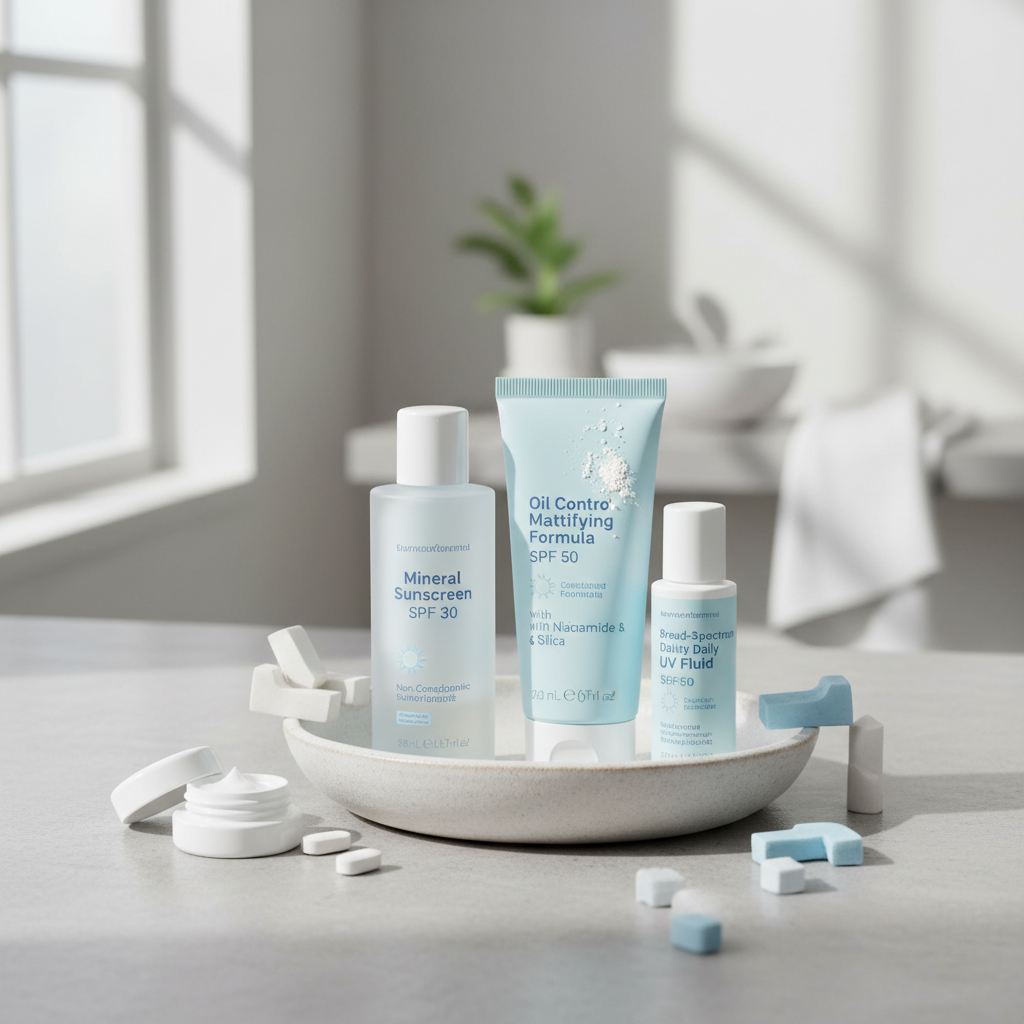
For oily, acne-prone skin, the best sunscreens are non-comedogenic formulas featuring mineral filters like zinc oxide or titanium dioxide, or advanced chemical filters designed for a matte, lightweight finish. Look for oil-controlling ingredients like niacinamide or silica, and prioritize broad-spectrum protection with at least SPF 30 to prevent clogged pores and greasy residue.
Introduction
Finding the perfect sunscreen can feel like a quest, especially when your skin tends to be oily or prone to breakouts. The fear of a greasy film, a white cast, or worse, a fresh crop of blemishes, often deters many from consistent sun protection. But in 2026, with sun damage awareness at an all-time high and skincare science continually advancing, there’s no need to compromise. This guide will help you navigate the myriad options to find a sunscreen that protects your skin without sacrificing its clarity or comfort.
Why is Finding the Right Sunscreen So Hard for Oily Skin?
Oily skin presents unique challenges when it comes to sunscreen. The very ingredients designed to protect against UV radiation can sometimes exacerbate oiliness, lead to a heavy feeling, or even trigger breakouts. Understanding these common pain points is the first step toward finding your ideal match.
The Greasy Dilemma
Many traditional sunscreens are formulated with emollients and occlusives that, while beneficial for dry skin, can feel suffocating and contribute to an unwanted shine on oily complexions. This “greasy feel” is often the top complaint, leading to inconsistent use.
The Clog-Pore Catastrophe
For those prone to acne, the term “non-comedogenic” is paramount. Sunscreens containing pore-clogging ingredients can quickly turn a protective measure into a breakout trigger. Heavy oils, certain waxes, and some silicones can be problematic, trapping sebum and dead skin cells.
The White Cast Conundrum
Mineral sunscreens, while often preferred for sensitive and oily skin due to their gentle nature, historically struggled with leaving a noticeable white cast, especially on deeper skin tones. Modern formulations have largely overcome this, but it remains a concern for many.
Mineral vs. Chemical Sunscreens: Which is Better for Oily, Acne-Prone Skin?
The debate between mineral (physical) and chemical sunscreens is ongoing, and both types have evolved significantly. For oily and acne-prone skin, the choice often comes down to formulation nuances and personal preference.
Mineral Sunscreens: The Gentle Shield
Mineral sunscreens typically contain zinc oxide and/or titanium dioxide. These active ingredients work by sitting on the skin’s surface, creating a physical barrier that reflects and scatters UV rays. Dermatologists often recommend them for sensitive and acne-prone skin because they are less likely to cause irritation or allergic reactions.
- Zinc Oxide: Offers broad-spectrum protection against both UVA and UVB rays. It’s also known for its soothing and anti-inflammatory properties, which can be beneficial for blemish-prone skin.
- Titanium Dioxide: Primarily protects against UVB rays and some UVA rays. It’s generally well-tolerated and contributes to a lighter texture.
Modern mineral sunscreens leverage micronized or non-nano particles to minimize the white cast, making them more aesthetically pleasing without compromising efficacy. Many formulations now include mattifying ingredients to further enhance their appeal for oily skin.
Chemical Sunscreens: The Absorbent Innovators
Chemical sunscreens work by absorbing UV radiation and converting it into heat, which is then released from the skin. Common FDA-approved chemical filters include avobenzone, octinoxate, octisalate, and oxybenzone. While some older chemical filters were known to cause irritation in sensitive individuals, the latest generation offers lightweight, elegant textures that are often preferred for their invisible finish.
- Avobenzone: Provides excellent UVA protection.
- Octinoxate & Octisalate: Primarily protect against UVB rays.
- Homosalate & Octocrylene: Offer good UVB protection and help stabilize other filters.
For oily skin, advanced chemical sunscreens are formulated as gels, fluids, or serums that absorb quickly and leave a barely-there feel. The key is to look for those specifically designed to be non-comedogenic and oil-free, often featuring a matte or semi-matte finish.
What Ingredients Should I Look For (and Avoid) in Sunscreen for Oily Skin?
Beyond the active UV filters, the supporting cast of ingredients in a sunscreen’s formulation plays a critical role in its suitability for oily, acne-prone skin.
Ingredients to Seek Out:
- Niacinamide (Vitamin B3): A powerhouse ingredient that helps regulate sebum production, minimize pore appearance, and strengthen the skin barrier. It also has anti-inflammatory properties, making it excellent for blemish-prone skin.
- Salicylic Acid (BHA): A beta-hydroxy acid that is oil-soluble, allowing it to penetrate pores and exfoliate from within. A low concentration in sunscreen can help keep pores clear and reduce oiliness without over-drying.
- Silica/Starch/Mattifying Powders: These ingredients absorb excess oil throughout the day, providing a desirable matte finish and reducing shine.
- Hyaluronic Acid: Though oily skin produces enough oil, it still needs hydration. Lightweight forms of hyaluronic acid can provide essential moisture without adding greasiness, helping to maintain a healthy skin barrier.
- Antioxidants (Vitamin C, Vitamin E, Green Tea Extract): These ingredients help neutralize free radicals generated by UV exposure and environmental aggressors, offering an extra layer of protection and supporting overall skin health.
- Ceramides: Key lipids that help maintain a strong, healthy skin barrier, which is crucial for all skin types, including oily and acne-prone skin often compromised by treatments.
Ingredients to Approach with Caution (or Avoid):
- Heavy Oils (e.g., mineral oil, coconut oil): While not inherently bad for all skin types, these can be too occlusive for oily skin and may contribute to clogged pores and breakouts.
- Fragrance & Essential Oils: These can be irritating for sensitive and acne-prone skin, potentially leading to redness or breakouts. Opt for fragrance-free formulas.
- Alcohol Denat (drying alcohols): While sometimes used to create a quick-drying feel, high concentrations can strip the skin, leading to compensatory oil production and barrier damage.
- Comedogenic Silicones: Not all silicones are bad, but some heavier forms can feel occlusive. Look for lighter, non-comedogenic silicones if you prefer that silky texture.
Beyond the Bottle: How to Optimize Your Sunscreen Routine in 2026
Even the best sunscreen won’t perform optimally if not applied correctly. In 2026, understanding sunscreen reapplication science and how SPF fits into your broader routine is key.
Application Techniques for a Flawless Finish
For oily skin, less can sometimes be more, but not at the expense of protection. Aim for a nickel-sized amount for your face and neck. Apply in thin layers, allowing each layer to absorb for a minute or two before the next. This prevents pilling and helps the product melt into the skin more effectively.
The Critical Art of Reapplication
Sunscreen isn’t a “one-and-done” deal. The FDA and dermatologists recommend reapplying broad-spectrum SPF at least every two hours, or more frequently after swimming, sweating, or towel-drying. For daily wear, especially if you’re indoors or not sweating heavily, reapplication can be trickier. Products like SPF setting sprays, powder sunscreens, or even tinted SPF sticks can offer convenient ways to refresh your protection over makeup without disturbing your look.
Integrating SPF into Your Skincare Ecosystem
Your sunscreen is the final, non-negotiable step in your morning skincare routine. It should be applied after all your serums and moisturizers, but before any makeup. For those using potent actives like retinol (or its increasingly popular cousin, retinaldehyde) or AHAs, diligent daily SPF is even more critical, as these ingredients can increase skin’s photosensitivity and focus on skin barrier health makes sun protection paramount.
“The most effective sunscreen is the one you will use consistently every single day. For oily skin, that means finding a formula that feels good, looks good, and doesn’t compromise your skin’s clarity.”
— SkincareUM Editorial Team
Top Picks: SkincareUM’s Recommended Sunscreens for Oily Skin
While specific product recommendations can vary with market availability, here’s a look at the types of formulations that excel for oily and acne-prone skin, embodying the best of 2026’s innovations. Remember to look for products labeled “non-comedogenic,” “oil-free,” and “mattifying” from both drugstore and prestige brands, as efficacy is not always tied to price point.
| Product Type (Example) | Key Features for Oily Skin | Pros | Best For |
|---|---|---|---|
| Mattifying Mineral Fluid SPF 50 (e.g., “SkincareUM’s Matte Defense”) |
Zinc Oxide & Titanium Dioxide, Silica, Niacinamide, Lightweight Fluid Texture, Non-nano, Tinted options available. | Excellent broad-spectrum protection, soothing for sensitive/acne-prone skin, controls shine, minimal white cast with modern formulas. | Highly sensitive, acne-prone, or reactive oily skin; those seeking a natural, matte finish. |
| Lightweight Chemical Gel SPF 40 (e.g., “GlowGuard Invisible Shield”) |
Advanced Chemical Filters (e.g., Avobenzone, Octisalate), Gel or Serum Consistency, Hyaluronic Acid, Antioxidants. | Completely invisible finish, absorbs quickly, feels weightless, ideal for layering under makeup. | Oily skin seeking an undetectable, comfortable feel; daily wear for active lifestyles. |
| Oil-Control Hybrid Cream SPF 45 (e.g., “PorePerfect Daily Protect”) |
Zinc Oxide + select Chemical Filters, Salicylic Acid, Green Tea Extract, Cream-to-powder finish. | Combines mineral and chemical benefits, actively helps clear pores and control oil, offers antioxidant protection. | Oily skin with persistent breakouts or texture concerns; those who prefer a slightly richer, yet still non-greasy, feel. |
| Tinted Mineral Serum SPF 30 (e.g., “SheerRadiance Glow SPF”) |
Zinc Oxide, Iron Oxides (for tint), Ceramides, Niacinamide, Ultra-light serum texture. | Evens skin tone, provides light coverage, strengthens skin barrier, excellent for “no-makeup makeup” days. | Oily skin seeking minimal coverage and sun protection in one step; barrier-focused routines. |
Frequently Asked Questions
Can I skip moisturizer if my sunscreen is hydrating enough?
For some with very oily skin, a hydrating sunscreen might provide sufficient moisture. However, if your skin feels tight, or if you use drying actives like salicylic acid or retinoids, a separate lightweight, oil-free moisturizer underneath your sunscreen is often beneficial to maintain skin barrier health and prevent compensatory oil production.
How often should I reapply sunscreen, especially with makeup?
Dermatologists recommend reapplying broad-spectrum SPF at least every two hours when exposed to direct sun, or immediately after swimming or heavy sweating. Over makeup, consider using SPF setting sprays, translucent powder sunscreens, or even a beauty blender to lightly pat on a thin layer of a fluid sunscreen.
Does the SPF in my makeup count as enough protection?
While SPF in makeup offers some protection, it’s generally not enough. Most people don’t apply enough foundation or powder to achieve the stated SPF level. Always apply a dedicated, broad-spectrum sunscreen as the last step of your skincare routine before makeup for adequate protection.
What about sunscreens with a high SPF (e.g., SPF 70 or 100)?
While higher SPF numbers offer slightly more protection (SPF 30 blocks about 97% of UVB rays, SPF 50 blocks about 98%, and SPF 100 blocks about 99%), the difference is marginal. The most crucial factor is applying enough sunscreen and reapplying it regularly. Don’t let a high SPF give you a false sense of security to extend reapplication times.
Are “dermal-grade” or “professional” sunscreens truly better than drugstore options?
Not necessarily. Many drugstore brands offer excellent, dermatologist-recommended sunscreens that are just as effective as their prestige counterparts, especially given FDA regulations on active sunscreen ingredients. Focus on the ingredient list, formulation, and whether it suits your skin type and preferences, rather than the price tag or brand name.
Conclusion
Protecting your skin from the sun is the single most impactful step you can take for its long-term health and appearance, regardless of your skin type. For those with oily or acne-prone skin, the journey to finding the right sunscreen no longer has to be fraught with compromise. By understanding the nuances of mineral versus chemical filters, identifying beneficial ingredients, and adopting smart application habits, you can confidently embrace daily sun protection, enjoying clear, comfortable, and healthy skin well into 2026 and beyond.