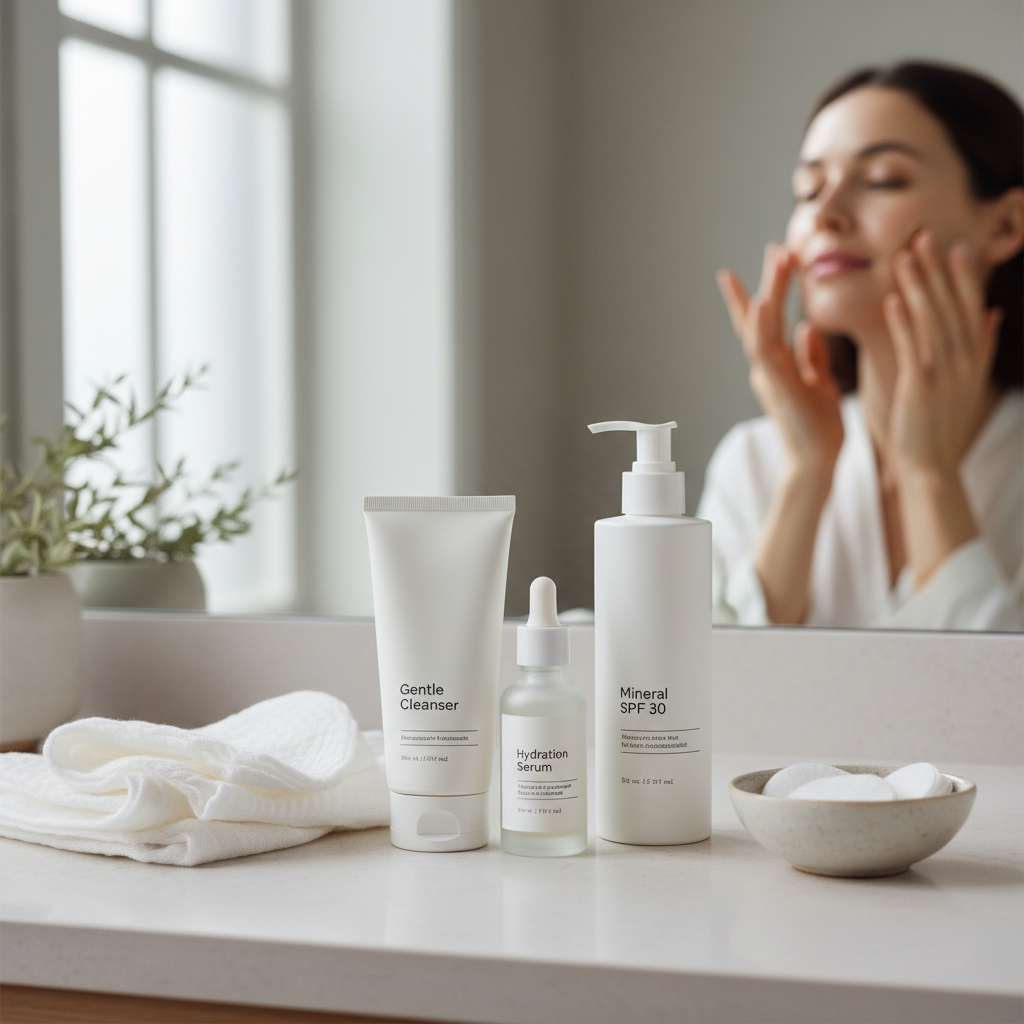
New moms can effectively revitalize tired skin by focusing on a streamlined routine built around gentle cleansing, deep hydration with actives like hyaluronic acid and niacinamide, and consistent mineral SPF. Prioritizing skin barrier health and choosing multi-tasking, dermatologist-recommended products over complex steps is key to achieving a glowing complexion amidst the demands of motherhood.
Introduction
The journey into motherhood is transformative, beautiful, and undeniably exhausting. While your new baby captures all your attention, your skin often bears the silent brunt of hormonal shifts, sleep deprivation, and the sheer lack of time. Forget elaborate 10-step routines; in 2026, new moms need simple yet highly effective strategies to address dullness, dehydration, and sensitivity without adding another layer of stress to their day. This guide will help you navigate the post-pregnancy skincare landscape, focusing on evidence-informed choices that deliver results.
What Happens to Your Skin After Pregnancy?
The hormonal rollercoaster doesn’t stop the moment your baby arrives. Estrogen and progesterone levels plummet, while stress hormones like cortisol can rise. This dramatic shift can manifest in various ways on your skin:
- Dehydration and Dullness: Reduced estrogen can lead to decreased collagen production and a compromised skin barrier, making skin feel drier and appear less radiant.
- Increased Sensitivity: Skin may become more reactive to products it once tolerated, or you might experience new sensitivities.
- Post-Pregnancy Acne: Fluctuating hormones can trigger breakouts, similar to adolescent or menstrual acne.
- Dark Circles and Puffiness: The most obvious tell-tale signs of sleep deprivation are often visible around the eyes.
- Hyperpigmentation: Melasma (the “mask of pregnancy”) can sometimes linger or even worsen post-delivery for some individuals.
Understanding these common changes is the first step towards building a routine that truly supports your skin’s recovery.
What Are the Absolute Essentials for a New Mom’s Skincare Routine?
When time is a luxury, a minimalist yet potent routine is your best friend. Focus on these core pillars for both morning and evening:
Gentle Cleansing: The Foundation
Harsh cleansers can strip your skin’s natural oils, further compromising a delicate skin barrier. Opt for a mild, hydrating cleanser.
- Morning: A quick splash of water or a very gentle, non-foaming cleanser is often sufficient to refresh.
- Evening: A cream, balm, or micellar water can effectively remove makeup, SPF, and impurities without leaving your skin feeling tight or dry. Look for formulas labeled “pH-balanced” or “for sensitive skin.”
Key Actives for Cleansers: Ceramides help to support the skin barrier, while glycerin and hyaluronic acid provide hydration.
Targeted Treatments: Smart & Efficient
This is where you address specific concerns with concentrated ingredients. Choose one or two multi-tasking serums.
- Hydration & Barrier Support:
- Hyaluronic Acid: A powerful humectant that draws moisture into the skin, plumping it up and reducing the appearance of fine lines. Excellent for all skin types, especially dehydrated skin.
- Niacinamide (Vitamin B3): A versatile active that helps strengthen the skin barrier, reduce inflammation, minimize pore appearance, and even out skin tone. It’s generally well-tolerated and a fantastic multi-tasker for new moms.
- Ceramides: These are lipids naturally found in the skin barrier. Topical ceramides help replenish and repair this barrier, reducing sensitivity and locking in moisture.
- Peptides: Short chains of amino acids that can signal the skin to produce more collagen, improving firmness and elasticity. They are generally gentle and supportive.
- Brightening & Antioxidant Protection:
- Vitamin C (Ascorbic Acid): A potent antioxidant that protects against environmental damage, brightens skin tone, and stimulates collagen production. Look for stable forms like L-Ascorbic Acid or its derivatives. Apply in the morning for maximum antioxidant benefits.
- Acne & Texture (Use with caution):
- Salicylic Acid (BHA): A beta-hydroxy acid that is oil-soluble, allowing it to penetrate pores and exfoliate from within, making it effective for blackheads and breakouts. Over-the-counter strengths (0.5-2%) are generally considered safe topically while breastfeeding by many dermatologists, but always consult your doctor before use, especially if pregnant or breastfeeding.
- Alpha Hydroxy Acids (AHAs – Glycolic, Lactic Acid): Water-soluble exfoliants that work on the skin’s surface to improve texture and brightness. Lactic acid is often gentler than glycolic acid. Similar to BHAs, consult your doctor if breastfeeding.
- Retinoids (Retinol, Retinal): These vitamin A derivatives are gold standards for anti-aging and acne, promoting cell turnover and collagen production. However, they are generally not recommended during pregnancy or breastfeeding. If you’re no longer breastfeeding, start with a low-strength retinol or retinal (which converts to retinoic acid more efficiently than retinol) and use sparingly.
Moisturizing: Lock It All In
A good moisturizer is non-negotiable. It seals in your serums, hydrates, and reinforces the skin barrier. Look for formulas that are non-comedogenic and free of irritating fragrances.
- For Dry/Sensitive Skin: Richer creams with ceramides, shea butter, or squalane.
- For Oily/Combination Skin: Lighter lotions or gel-creams with hyaluronic acid and niacinamide.
Sun Protection: Your Daily Shield
This is arguably the most crucial step. Daily SPF protects against UV damage, prevents hyperpigmentation, and slows down aging. In 2026, the focus remains on broad-spectrum protection and consistent reapplication.
- Mineral SPF (Zinc Oxide, Titanium Dioxide): Often preferred by new moms and those with sensitive skin as they sit on top of the skin and create a physical barrier, causing less irritation. Look for broad-spectrum SPF 30+.
- Reapplication: While a morning application is vital, remember to reapply every two hours if you’re outdoors, or after sweating or swimming. Many modern formulas now offer elegant textures that layer well over makeup, making reapplication easier.
How Can I Simplify My Routine Without Sacrificing Results?
Efficiency is paramount. Here’s how to make your routine work for you:
- Embrace Multi-Taskers: A serum with both niacinamide and hyaluronic acid, or a moisturizer with ceramides and peptides, can consolidate steps.
- The 3-Minute Rule: Set a timer. If you can’t get it done in 3 minutes, it’s too complicated.
- Prioritize Consistency Over Complexity: A simple routine followed daily is far more effective than an elaborate one you only do occasionally.
- Morning vs. Evening:
- AM: Gentle cleanse (optional), Vitamin C serum, Moisturizer, Mineral SPF.
- PM: Thorough cleanse, Hydrating/Barrier-repairing serum (e.g., Hyaluronic Acid/Niacinamide), Moisturizer. (If using retinoids/exfoliants, introduce slowly on alternate nights, only if not breastfeeding and after doctor consultation).
- Listen to Your Skin: If your skin feels tight or irritated, scale back. Less is often more, especially when you’re sleep-deprived.
Which Products Offer the Best Value for New Moms in 2026?
Whether you lean towards drugstore finds or prestige brands, there are excellent options that prioritize efficacy and gentleness. Here’s a comparison of common product types that deliver on core needs:
| Product Category | Drugstore Option (Example Focus) | Prestige Option (Example Focus) | Key Benefits for New Moms |
|---|---|---|---|
| Gentle Cleanser | Brand A: Hydrating Cream Cleanser. Fragrance-free, non-foaming. | Brand B: Soothing Milk Cleanser. Ceramides, oat extract. | Removes impurities without stripping, maintains skin barrier, suitable for sensitive skin. |
| Hydrating Serum | Brand C: Hyaluronic Acid + B5 Serum. Multi-molecular HA. | Brand D: Barrier Repair Serum. Niacinamide, HA, Ceramides. | Deep hydration, plumps skin, strengthens barrier, reduces sensitivity. |
| Vitamin C Serum | Brand E: 10% Vitamin C Brightening Serum. Ascorbyl Glucoside. | Brand F: Pure L-Ascorbic Acid Serum. Ferulic Acid, Vitamin E. | Antioxidant protection, brightens dullness, evens skin tone. (Morning use) |
| Barrier-Repair Moisturizer | Brand G: Daily Facial Moisturizer. Ceramides, HA, Niacinamide. | Brand H: Advanced Lipid Cream. Peptides, Squalane, Prebiotics. | Locks in moisture, repairs damaged skin barrier, reduces redness, comforting. |
| Mineral SPF | Brand I: Sheer Mineral Sunscreen SPF 30. Zinc Oxide, Titanium Dioxide. | Brand J: Tinted Mineral Fluid SPF 50. Antioxidants, Zinc Oxide. | Broad-spectrum UV protection, non-irritating, helps prevent hyperpigmentation. |
Note: Specific product names are illustrative. Always check ingredient lists and patch test new products. Drugstore options often provide excellent efficacy at a lower price point, while prestige brands may offer more elegant textures or unique formulations.
Are Dermal-Grade At-Home Tools Worth the Investment for Tired Skin?
The 2026 market is flooded with sophisticated at-home devices, from microcurrent to LED masks. While some can offer benefits, for new moms, the answer is generally: proceed with caution and prioritize consistency in your basic routine first.
- LED Masks: Red light therapy can help with collagen production and inflammation, while blue light targets acne. They are generally safe and non-invasive, but require consistent use over time to see results, which might be a challenge with a newborn.
- Microcurrent Devices: Aim to tone facial muscles, giving a temporary lifted appearance. Again, consistency is key, and results are often subtle.
- Microneedling Rollers: While popular, these can be risky at home due to hygiene concerns and potential for irritation, especially on sensitive post-pregnancy skin. Best left to professionals.
For tired skin, focusing on topical ingredients that hydrate, protect, and support your barrier will likely yield more immediate and consistent benefits than adding another time-consuming step with an at-home tool.
Frequently Asked Questions
Can I use retinol while breastfeeding?
Answer: While topical retinoids are generally considered safe in very small amounts by some experts, the consensus is to err on the side of caution and avoid them during pregnancy and breastfeeding. It’s best to consult your healthcare provider or dermatologist for personalized advice. Focus on alternatives like niacinamide, vitamin C, and peptides for anti-aging and brightening during this period.
My skin is suddenly very sensitive. What should I do?
Answer: Post-pregnancy hormonal shifts can increase skin sensitivity. Simplify your routine dramatically: use a very gentle, fragrance-free cleanser, a hydrating serum with hyaluronic acid or ceramides, and a barrier-supporting moisturizer. Avoid harsh exfoliants, strong actives, and fragrances. Patch test any new product, and if irritation persists, consult a dermatologist.
How can I reduce the appearance of dark circles and puffiness from lack of sleep?
Answer: While sleep is the ultimate remedy, topical solutions can help. Look for eye creams with caffeine (to constrict blood vessels and reduce puffiness), hyaluronic acid (for hydration), and vitamin C (for brightening). Gentle massage with a cool roller can also temporarily reduce puffiness. Consistent mineral SPF use also prevents further darkening of the under-eye area.
Are drugstore skincare products effective enough, or do I need prestige brands?
Answer: Absolutely! Many drugstore brands offer highly effective products formulated with dermatologist-recommended active ingredients like hyaluronic acid, niacinamide, and mineral SPF. The key is to look at the ingredient list and choose products that target your specific concerns, rather than focusing solely on brand name or price point. Often, the main difference lies in texture, packaging, or added fragrances, not necessarily efficacy.
How long will it take for my skin to return to normal after giving birth?
Answer: This varies greatly for each woman. Hormonal fluctuations can persist for several months post-delivery, especially if you’re breastfeeding. Some women notice improvements within a few months, while for others, it might take up to a year or longer for skin to fully rebalance. Patience, a consistent gentle routine, and managing stress (as much as possible!) are your best allies.
Conclusion
Becoming a new mom is an incredible journey, and your skincare routine should be a source of comfort and gentle rejuvenation, not another chore. By embracing simplicity, focusing on barrier health, and choosing smart, evidence-backed ingredients like hyaluronic acid, niacinamide, and mineral SPF, you can effectively address the unique challenges of post-pregnancy skin. Remember, a healthy, radiant complexion isn’t about perfection, but about nurturing yourself as you navigate the beautiful chaos of new motherhood.