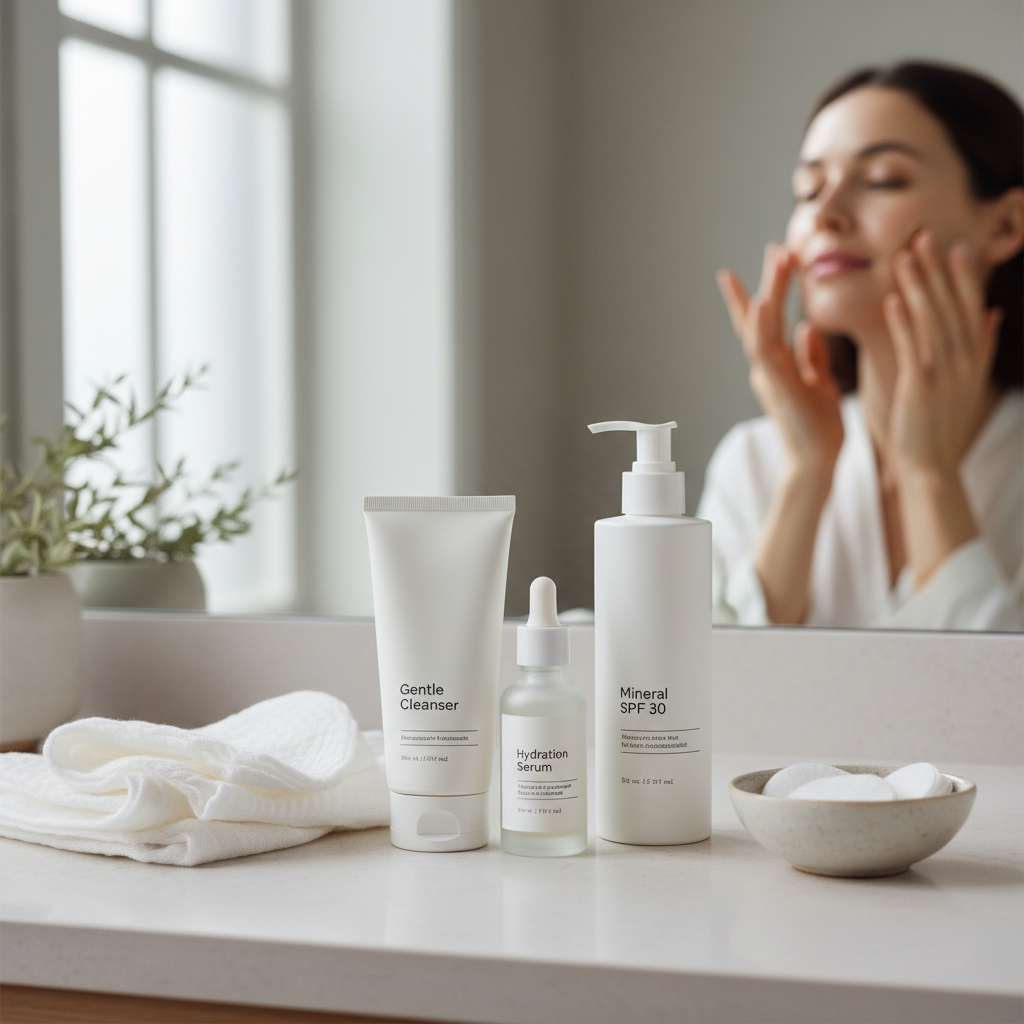
Post-vacation skin recovery in 2026 hinges on a strategic, gentle approach to rebalance and repair. Focus on barrier support with ceramides and hyaluronic acid, target specific concerns like hyperpigmentation with vitamin C and retinoids, and prioritize diligent mineral SPF application. Consistency and patience are key to restoring your skin’s health and glow.
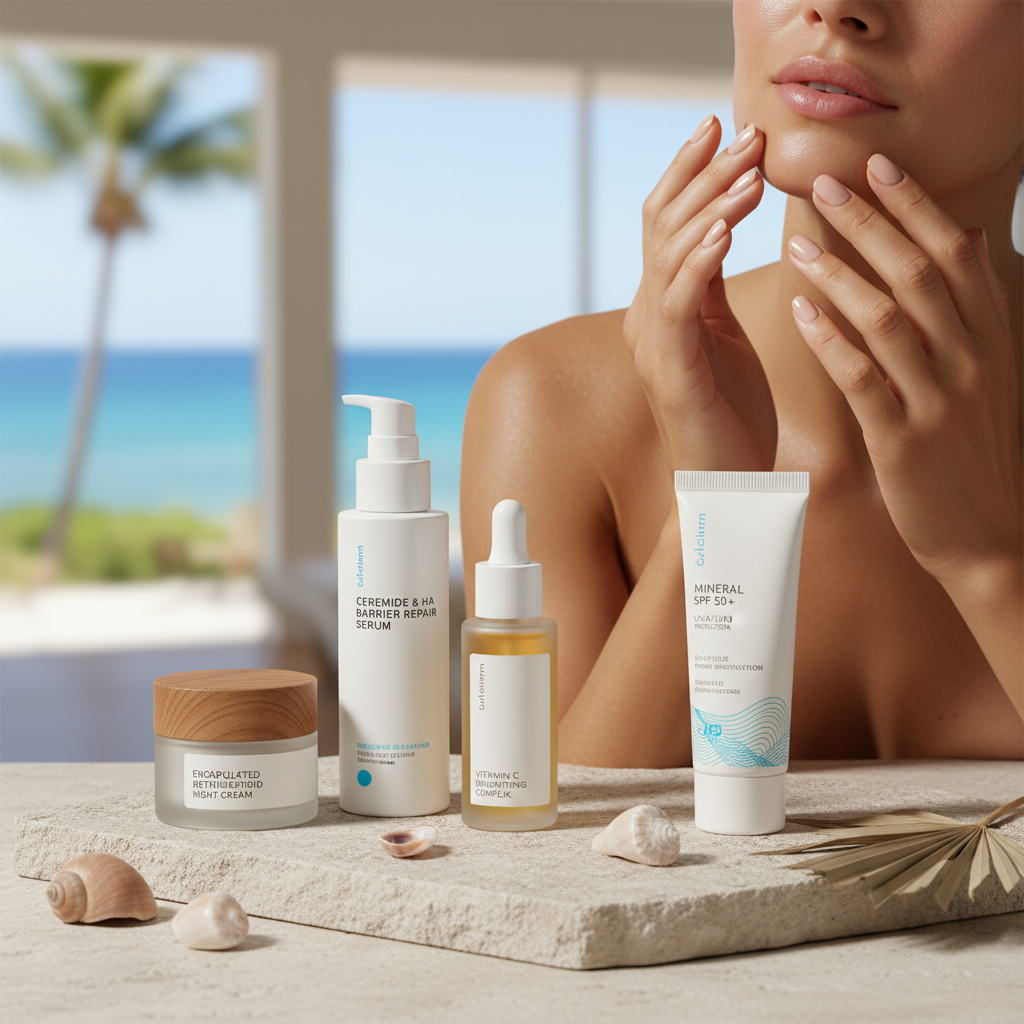
Introduction
That post-vacation glow is wonderful, but often, the reality of sun exposure, environmental shifts, and disrupted routines catches up to our skin. In 2026, we understand more than ever that effective recovery isn’t about harsh treatments, but a smart, evidence-informed strategy to restore balance and vitality.
Why Does Our Skin Need Post-Vacation Recovery?
Vacations, while rejuvenating for the mind, can be surprisingly taxing on our skin. Understanding these stressors is the first step toward effective recovery.
Sun Exposure and UV Damage
Even with diligent sunscreen use, increased time outdoors often means more UV exposure. This can lead to exacerbated hyperpigmentation (sunspots), dehydration, fine lines, and a compromised skin barrier.
Environmental Stressors
Changes in climate – from dry airplane cabins to humid beaches or chlorinated pools – can strip the skin of its natural oils or cause congestion. Saltwater, while seemingly therapeutic, can also be dehydrating, while air pollution in new cities adds oxidative stress.
Routine Disruption and Lifestyle Changes
Late nights, varying diets, and less consistent skincare application can throw your skin’s natural rhythm off. This can manifest as increased sensitivity, dullness, or even unexpected breakouts.
What’s the First Step to Reclaim Your Skin’s Radiance? Gentle Cleansing and Barrier Repair.
The foundation of any successful post-vacation recovery routine is supporting your skin’s natural protective barrier. This means opting for non-stripping cleansers and integrating ingredients known for their barrier-strengthening properties.
Gentle Cleansing: The Cornerstone
Switch to a cream, gel, or oil cleanser that effectively removes impurities without stripping your skin. Look for formulations labeled “hydrating,” “pH-balanced,” or “for sensitive skin.” Avoid harsh sulfates and strong fragrances, especially if your skin feels reactive.
The Power of Barrier-Boosting Actives
- Ceramides: These are lipids (fats) naturally found in the skin barrier. Replenishing ceramides helps to “glue” skin cells together, preventing moisture loss and protecting against irritants. They are crucial for dry and sensitive skin types, but beneficial for all.
- Hyaluronic Acid (HA): A powerful humectant, HA attracts and holds up to 1,000 times its weight in water, drawing moisture into the skin. This immediate boost of hydration is vital for skin that feels parched after travel or sun exposure.
- Niacinamide (Vitamin B3): A true multi-tasker, niacinamide strengthens the skin barrier, reduces inflammation and redness, minimizes pore appearance, and helps regulate oil production. It’s excellent for calming reactive skin and improving overall tone and texture.
In 2026, the focus on skin barrier health is paramount, moving beyond just hydration to comprehensive resilience. Incorporating these actives daily will help your skin heal and become more robust.
Which Actives Are Essential for Post-Vacation Skin Concerns?
Once your barrier is on the mend, you can strategically introduce targeted treatments for specific issues.
For Hyperpigmentation and Sun Damage
- Vitamin C: A potent antioxidant, Vitamin C (L-Ascorbic Acid being the gold standard) brightens the skin, fades dark spots, and protects against environmental damage. It also plays a role in collagen production. Apply it in the morning to leverage its antioxidant benefits.
- Retinoids (Retinol, Retinaldehyde): These Vitamin A derivatives are unmatched for accelerating cell turnover, reducing hyperpigmentation, smoothing texture, and stimulating collagen. Retinaldehyde (retinal) is gaining traction in 2026 for being a more potent, yet often less irritating, precursor to retinoic acid than traditional retinol. Start slowly (1-2 times a week) in the evening to avoid irritation.
- Alpha Hydroxy Acids (AHAs – Glycolic, Lactic Acid): These chemical exfoliants gently dissolve the bonds between dead skin cells, revealing brighter, smoother skin. They are effective for superficial hyperpigmentation and improving overall texture. Use 2-3 times a week, preferably in the evening, and always follow with SPF.
For Dehydration and Dullness
- Hyaluronic Acid (HA): As mentioned, HA is a hydration magnet. Layer it after cleansing on damp skin, followed by a moisturizer to lock in the moisture.
- Glycerin: Another excellent humectant, glycerin is often found alongside HA in hydrating serums and moisturizers, providing sustained moisture.
- Peptides: These short chains of amino acids are the building blocks of proteins like collagen and elastin. Specific peptides can signal the skin to produce more collagen, improving firmness and elasticity, and contributing to a plumper, more hydrated appearance.
For Post-Vacation Breakouts and Congestion
- Salicylic Acid (BHA): This oil-soluble beta hydroxy acid penetrates into pores, dissolving sebum and dead skin cells. It’s excellent for clearing congestion, blackheads, and preventing breakouts. Use 2-3 times a week, or as a spot treatment.
- Niacinamide: Its anti-inflammatory properties help calm angry breakouts, while its oil-regulating benefits can prevent future congestion.
How Do I Incorporate Targeted Treatments Without Overwhelming My Skin?
The key to effective recovery is strategic layering and patience. Over-exfoliating or introducing too many new actives at once can lead to further irritation.
The “Skin Cycling” Approach (2026 Trend)
A popular and dermatologist-backed method in 2026 is “skin cycling,” which involves rotating your active ingredients over a few nights to maximize benefits while minimizing irritation. A common cycle is:
- Night 1: Exfoliation Night (AHA or BHA serum)
- Night 2: Retinoid Night (Retinol or Retinal serum)
- Night 3 & 4: Recovery Nights (Focus on barrier repair with ceramides, hyaluronic acid, niacinamide, and a rich moisturizer)
Then, repeat the cycle. This allows your skin to recover and rebuild its barrier after powerful actives.
Morning vs. Evening Routine Structure
- Morning: Focus on protection and antioxidants.
- Gentle Cleanser
- Vitamin C Serum
- Hyaluronic Acid Serum (optional, if needed)
- Moisturizer (lighter for oily, richer for dry)
- Broad-Spectrum Mineral SPF 30+ (NON-NEGOTIABLE)
- Evening: Focus on repair and treatment.
- Gentle Cleanser (double cleanse if wearing makeup/heavy SPF)
- Targeted Treatment (e.g., Exfoliant, Retinoid, or Recovery Serum based on your skin cycle)
- Hyaluronic Acid Serum (optional)
- Moisturizer (can be richer than morning)
- Occlusive Balm (optional, for very dry/damaged skin, to seal in moisture)
Are At-Home Dermal Tools Worth It for Post-Vacation Skin?
Dermal-grade at-home tools have become more sophisticated and accessible in 2026, but caution and understanding are crucial, especially for recovering skin.
Gentle Integration is Key
While tools like LED masks (red light for collagen, blue light for acne) or microcurrent devices can support skin health over time, they should not be introduced when your skin is compromised or sensitive. Wait until your skin barrier feels stable and healthy before considering these. Sonic cleansing brushes can be helpful for thorough cleansing but ensure they are used gently and not over-exfoliating.
Professional Guidance
For more intensive treatments like at-home micro-needling, always consult with a dermatologist. Improper use on recovering skin can cause more harm than good.
What’s the Best Way to Protect My Recovering Skin from Future Damage? Sunscreen in 2026.
The single most important step in preventing further damage and allowing your skin to heal is consistent, diligent sun protection.
Mineral SPF: The Preferred Choice
In 2026, mineral sunscreens (containing zinc oxide and/or titanium dioxide) are highly recommended, especially for sensitive or recovering skin. They sit on top of the skin, creating a physical barrier that reflects UV rays, often causing less irritation than chemical filters. Look for broad-spectrum SPF 30 or higher.
Reapplication Science
Newer research in 2026 emphasizes not just initial application, but consistent reapplication. Sunscreen effectiveness diminishes over time due to sweat, water, and environmental factors. Reapply every two hours when outdoors, and immediately after swimming or heavy sweating. Consider innovative formats like SPF sticks or mists for easy touch-ups throughout the day.
Drugstore vs. Prestige: Where Should I Invest My Skincare Budget?
The beauty landscape in the US offers a vast array of products, from accessible drugstore finds to high-end prestige brands. For post-vacation recovery, efficacy trumps price tag.
Focus on Actives, Not Brand Names
Many FDA-approved and dermatologist-recommended actives like retinol, niacinamide, hyaluronic acid, and salicylic acid are widely available in effective formulations at drugstore price points. The key is to look at the ingredient list and concentration, not just the brand.
Dermatologist Consensus
Dermatologists consistently emphasize that a well-formulated product with proven active ingredients will deliver results, regardless of its cost. Prestige brands may offer elegant textures, unique botanical extracts, or advanced delivery systems, but these are often secondary to the core active ingredients for real recovery.
Recommendation: Invest in a good quality, broad-spectrum mineral SPF, and a well-formulated retinoid. You can often find excellent cleansers, moisturizers, and even Vitamin C serums at more affordable prices.
Tailoring Your Recovery Routine to Your Skin Type
While the core principles of barrier repair and protection apply to everyone, specific adjustments can optimize your recovery.
Oily/Acne-Prone Skin
Focus on lightweight, non-comedogenic formulations. Incorporate salicylic acid for congestion, niacinamide for oil regulation and inflammation, and lighter gel or fluid moisturizers. Don’t skip hydration, as dehydrated oily skin can produce more oil.
Dry/Dehydrated Skin
Prioritize rich, emollient moisturizers packed with ceramides, hyaluronic acid, and glycerin. Gentle chemical exfoliation (like lactic acid) can help remove dry flakes without stripping. Incorporate hydrating serums and facial oils.
Combination Skin
You might need to “zone treat” – using different products or textures for different areas. A lighter moisturizer on the T-zone and a richer one on dry cheeks. Niacinamide is excellent for balancing combination skin.
Sensitive Skin
Less is more. Stick to a minimalist routine focusing on gentle cleansing, barrier repair (ceramides, cica, hyaluronic acid), and mineral SPF. Avoid fragrances, essential oils, and harsh actives initially. Patch test all new products.
Mature Skin
Embrace retinoids, peptides, and Vitamin C for their collagen-boosting and reparative benefits. Focus on rich hydration and emollients to support elasticity and reduce the appearance of fine lines. Don’t forget the neck and décolletage.
Post-Vacation Skincare Strategy: Concerns & Solutions
| Common Post-Vacation Concern | Key Actives for Recovery | Routine Integration Tip | Product Examples (Type) |
|---|---|---|---|
| Sun Spots & Hyperpigmentation | Vitamin C, Retinoids (Retinal), AHAs | Vitamin C AM, Retinoid PM (skin cycling); AHAs 2-3x/week PM. | Brightening Serum, Retexturizing Cream, Glycolic Toner |
| Dehydration & Dullness | Hyaluronic Acid, Ceramides, Glycerin, Peptides | Layer HA on damp skin, follow with ceramide-rich moisturizer. | Hydrating Serum, Barrier Repair Moisturizer, Peptide Eye Cream |
| Breakouts & Congestion | Salicylic Acid (BHA), Niacinamide | BHA 2-3x/week PM; Niacinamide AM/PM. Lightweight moisturizer. | BHA Exfoliant, Niacinamide Serum, Oil-Free Moisturizer |
| Redness & Sensitivity | Niacinamide, Ceramides, Centella Asiatica (Cica) | Minimalist routine. Use calming serum + barrier cream AM/PM. | Calming Serum, Cica Balm, Fragrance-Free Moisturizer |
| Overall Skin Barrier Damage | Ceramides, Niacinamide, Hyaluronic Acid, Squalane | Consistent use of barrier-supporting cleanser, serum, and moisturizer. | Cream Cleanser, Barrier Repair Serum, Rich Emollient Cream |
Frequently Asked Questions
How long does post-vacation skin recovery typically take?
The timeline varies depending on the extent of damage and your skin’s natural regeneration cycle, but generally, expect to see noticeable improvements within 2-4 weeks with a consistent routine. Full recovery from significant hyperpigmentation or barrier damage can take several months.
Can I use multiple new products at once to speed up recovery?
No, this is a common mistake. Introducing too many new actives simultaneously can overwhelm your skin, leading to irritation, redness, or breakouts. Introduce one new product at a time, waiting at least a week before adding another, to allow your skin to adjust and to identify any potential sensitivities.
Is a professional treatment, like a facial or peel, necessary for post-vacation recovery?
Not always, but professional treatments can accelerate results. A hydrating facial can replenish moisture, while a gentle superficial peel (under professional guidance) can help with hyperpigmentation. Always ensure your skin barrier is healthy before opting for any professional treatment.
What if I experience breakouts after my vacation?
Post-vacation breakouts are common due to changes in diet, stress, humidity, or sunscreen types. Focus on gentle cleansing, incorporating a BHA (salicylic acid) 2-3 times a week, and niacinamide to calm inflammation and regulate oil. Avoid harsh scrubbing, which can worsen breakouts.
How can I prevent future vacation skin damage?
Prevention is key! Prioritize broad-spectrum mineral SPF 30+ daily, reapplying every two hours. Wear wide-brimmed hats and seek shade. Maintain a consistent, gentle skincare routine even on vacation, and bring travel-sized versions of your trusted products to minimize disruption.
Conclusion
Post-vacation skin recovery in 2026 is about a thoughtful, strategic approach to healing and strengthening your skin. By focusing on gentle cleansing, robust barrier repair, targeted active ingredients, and unwavering sun protection, you can effectively reverse vacation-induced damage and restore your skin’s healthy, radiant glow. Patience and consistency are your most powerful tools in this journey.