TL;DR: SPF powders can be a valuable tool for convenient sunscreen reapplication over makeup throughout the day, offering a quick way to boost protection. However, they are generally not considered sufficient as a primary sun protection method due to the difficulty in applying an adequate, even layer for the stated SPF, and should always complement a robust initial application of a liquid or cream sunscreen.
Introduction
In the ever-evolving landscape of skincare, the quest for convenient, effective sun protection remains paramount. With the rise of on-the-go lifestyles and the increasing understanding of daily UV exposure, SPF powders have emerged as a popular option, promising easy reapplication without disturbing makeup. But as discerning consumers in 2026, we must ask: are these innovative powders truly effective, or are they merely a beauty trend? Let’s delve into the science and dermatologist consensus to uncover their true potential.
How Do SPF Powders Actually Work to Protect Your Skin?
At their core, SPF powders function similarly to traditional mineral sunscreens. They contain active mineral filters that sit on top of the skin, forming a physical barrier that reflects and scatters UV radiation. Unlike chemical sunscreens, which absorb UV rays and convert them into heat, mineral sunscreens act like tiny mirrors. This makes them a favorite for those with sensitive skin or concerns about chemical absorption.
Understanding Mineral SPF Actives
- Zinc Oxide: A broad-spectrum mineral filter, meaning it protects against both UVA (aging rays) and UVB (burning rays). It is gentle, non-comedogenic, and often recommended for sensitive and acne-prone skin. It also has mild anti-inflammatory properties.
- Titanium Dioxide: Primarily effective against UVB and short-wave UVA rays. While also a mineral filter, it offers slightly less broad-spectrum protection than zinc oxide alone. It’s often combined with zinc oxide for enhanced efficacy.
These fine mineral particles are milled into a powder format, often combined with other ingredients like silica for oil absorption, pigments for tint, and antioxidants for added skin benefits. The powder is then dispensed via a brush or puff, designed for quick application.
Are SPF Powders Truly Effective as Standalone Sun Protection?
This is the million-dollar question, and the answer, according to most dermatologists, is nuanced: generally, no, not as your primary form of sun protection. While SPF powders are formulated with an SPF rating (e.g., SPF 30, SPF 50), achieving that stated level of protection requires a very specific application technique and quantity, which is incredibly difficult to replicate with a powder.
The “Dosage Dilemma” of Powder SPF
For a sunscreen to deliver its advertised SPF, the FDA recommends applying approximately 2 milligrams per square centimeter of skin. For a typical adult face, this translates to about a quarter teaspoon of liquid sunscreen. Imagine trying to apply a quarter teaspoon of powder evenly across your face without it looking cakey or feeling heavy. It’s a significant challenge.
“While SPF powders offer a layer of protection, achieving the full SPF rating requires a much heavier application than most people would comfortably wear, especially over makeup.” – Dermatologist Consensus, 2026
Studies and expert opinions consistently highlight that the amount of powder most people apply is insufficient to reach the labeled SPF. You’re likely getting a fraction of the protection advertised. This doesn’t mean they’re useless, but it reshapes their role in your sun protection strategy.
When Should I Use an SPF Powder, and When Is It Not Enough?
Understanding the limitations of SPF powders allows us to leverage their strengths strategically. They excel in specific scenarios but fall short in others.
Ideal Use Cases for SPF Powders:
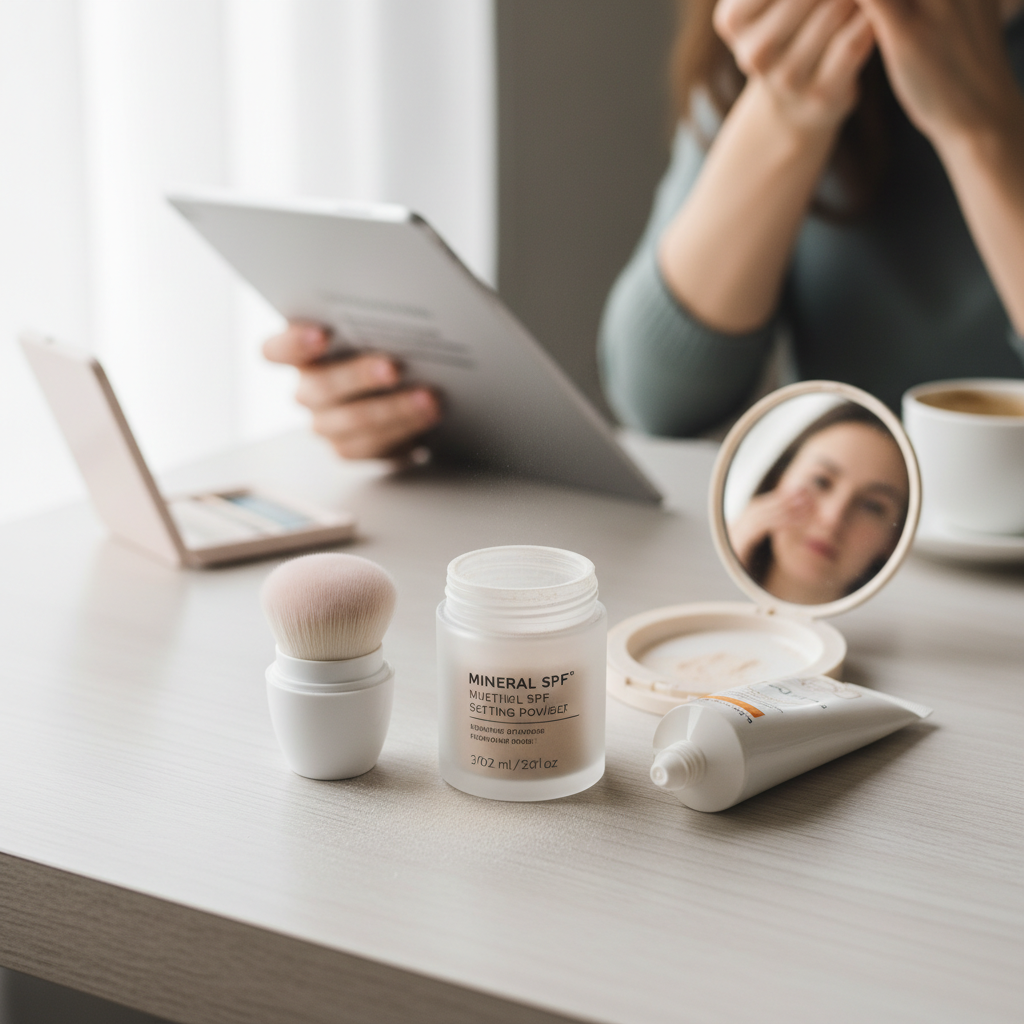
- Sunscreen Reapplication Over Makeup: This is where SPF powders truly shine. Reapplying liquid sunscreen over a full face of makeup can be messy and disruptive. A quick dusting of SPF powder allows you to refresh your protection without smudging your foundation or concealer. This aligns perfectly with the 2026 focus on consistent reapplication every two hours, or more often if sweating or swimming.
- Oil Control and Mattifying: Many SPF powders contain ingredients like silica or starches that absorb excess oil, providing a mattifying finish. This makes them particularly appealing for those with oily or combination skin, offering a dual benefit of sun protection and shine control.
- Light, Daily Incidental Exposure: For very brief periods outdoors (e.g., walking to your car, running a quick errand) when you’ve already applied a primary sunscreen, an SPF powder can offer a convenient top-up.
- Targeted Protection for Scalp/Hairline: Some powders come with brush applicators that make it easy to dust along the hairline or part, areas often neglected but prone to sunburn.
When SPF Powders Are Not Enough:
- Primary Sun Protection: Never rely on an SPF powder as your sole or first layer of sun protection, especially if you’re spending significant time outdoors. Always start with a generous application of a broad-spectrum liquid or cream sunscreen (SPF 30 or higher).
- Prolonged Outdoor Activities: For beach days, hiking, sports, or any extended outdoor exposure, stick to water-resistant liquid or cream sunscreens, reapplying diligently. Powders can easily be wiped or sweated off, compromising protection.
- Water Immersion or Heavy Sweating: While some claim water resistance, powders are generally less robust than dedicated water-resistant liquid formulas.
- Full Coverage Needs: If you need comprehensive, even protection, a powder simply cannot deliver the same uniform film as a cream.
What Are the Key Ingredients to Look for in an Effective SPF Powder?
Beyond the primary mineral filters, the formulation of an SPF powder can significantly impact its performance and skin benefits. As we move into 2026, consumers are increasingly seeking multitasking products that not only protect but also nourish the skin barrier.
Beneficial Supporting Actives to Seek Out:
- Niacinamide (Vitamin B3): A powerhouse ingredient known for its anti-inflammatory properties, ability to improve skin barrier function, reduce redness, minimize pore appearance, and regulate oil production. It pairs wonderfully with mineral SPF.
- Vitamin C (Ascorbic Acid and derivatives): A potent antioxidant that helps neutralize free radicals generated by UV exposure, brightens skin, and can boost collagen production. While not a sunscreen itself, it enhances sun protection when used alongside SPF.
- Hyaluronic Acid: A humectant that attracts and holds moisture, providing hydration without feeling heavy. Some SPF powders include micronized versions to prevent a drying effect.
- Ceramides: Lipids that are essential components of the skin barrier, helping to retain moisture and protect against environmental aggressors. Their inclusion supports overall skin health, aligning with the 2026 focus on barrier integrity.
- Antioxidant Blends (e.g., Green Tea Extract, Ferulic Acid): These ingredients help to scavenge free radicals, offering an additional layer of defense against environmental damage that UV radiation can exacerbate.
When selecting an SPF powder, check the ingredient list for these additions, especially if you have specific skin concerns like sensitivity, oiliness, or a desire for anti-aging benefits.
How Do SPF Powders Compare to Other On-The-Go Sun Protection Options?
The market offers several convenient ways to reapply SPF throughout the day. Understanding their differences can help you choose the best option for your lifestyle and skin needs.
Comparative Analysis of On-The-Go SPF Reapplication Methods
| Feature | SPF Powder | SPF Mist/Spray | SPF Stick |
|---|---|---|---|
| Primary Use | Over makeup, oil control, light reapplication | Full face/body reapplication, quick coverage | Targeted areas (face, ears, neck), easy travel |
| Application Method | Brush or puff; dusting motion | Aerosol or non-aerosol spray; misting | Direct glide onto skin |
| Coverage & Evenness | Difficult to achieve even, full coverage for labeled SPF; prone to patchiness | Can be challenging to ensure even, sufficient coverage without inhaling; risk of missing spots | Good for small, specific areas; easy to see where applied; can be thick |
| Finish | Matte, can absorb oil; may leave a slight cast on deeper skin tones if not tinted | Varies (dewy to matte); can feel light or slightly tacky depending on formulation | Often dewy or slightly greasy; can disrupt makeup |
| Makeup Compatibility | Excellent for reapplication over makeup without disruption | Can be used over makeup, but some formulas may disturb it or leave a dewy finish | Will almost certainly disrupt makeup; best for bare skin or specific touch-ups |
| Skin Types Best For | Oily, combination, those needing mattification | All, but sensitive skin should check for alcohol-free versions | All, especially good for dry patches or sensitive areas needing precise application |
| Water Resistance | Generally minimal; easily wiped/sweated off | Can be formulated for water resistance; check label | Can be formulated for water resistance; check label |
Each method has its place. SPF powders are a top choice for makeup wearers, while sprays offer broad coverage for the body, and sticks are excellent for precise touch-ups on areas like the nose, ears, or around the eyes.
Are There Specific SPF Powder Formulations Dermatologists Recommend for Different Skin Types?
While dermatologists prioritize a generous application of a liquid or cream base SPF, when considering powders for reapplication, they often recommend looking for formulations tailored to specific skin concerns.
Considerations for Different Skin Types:
- Oily/Combination Skin: Look for powders containing silica, kaolin clay, or other oil-absorbing ingredients. A matte finish is usually preferred. Niacinamide can also be beneficial for regulating sebum.
- Dry/Mature Skin: Opt for powders that are non-drying and ideally contain hydrating ingredients like hyaluronic acid or ceramides, though these are less common in powders. Avoid formulations with excessive mattifying agents. A slightly luminous finish might be preferred.
- Sensitive Skin: Always prioritize mineral-based formulas (zinc oxide, titanium dioxide) as they are less likely to cause irritation than chemical filters. Look for fragrance-free, paraben-free, and non-comedogenic options. Simple ingredient lists are often better.
- Acne-Prone Skin: Mineral sunscreens are generally well-tolerated. Ensure the product is labeled “non-comedogenic” (won’t clog pores) and consider formulas with salicylic acid or niacinamide.
- Deeper Skin Tones: A common concern with mineral sunscreens, especially powders, is a white cast. Look for tinted SPF powders that match your skin tone or translucent formulas that blend seamlessly.
Whether you opt for a drugstore brand or a prestige product, the core active ingredients and “non-comedogenic” labeling are often more important than the price tag. The FDA regulates sunscreens as Over-the-Counter (OTC) drugs, meaning all products must meet specific efficacy and safety standards, regardless of their market positioning. However, prestige brands may offer more elegant textures, broader shade ranges, or additional beneficial actives.
Frequently Asked Questions
Can I use SPF powder instead of my liquid sunscreen in the morning?
No, SPF powder should not replace your initial, generous application of a broad-spectrum liquid or cream sunscreen (SPF 30 or higher) in the morning. It’s nearly impossible to apply enough powder to achieve the labeled SPF as your primary layer of protection.
How often should I reapply SPF powder for effective protection?
Just like with liquid sunscreens, reapply SPF powder every two hours, or immediately after sweating heavily or swimming (though for swimming, a water-resistant liquid sunscreen is always superior). Consistency is key for effective sun protection.
Does SPF powder work for all skin tones without a white cast?
Some mineral SPF powders, especially those with higher concentrations of titanium dioxide, can leave a white cast. Many brands now offer tinted versions to match various skin tones or use micronized minerals to reduce this effect. It’s best to test a product to ensure it blends seamlessly with your complexion.
Is SPF powder good for sensitive or acne-prone skin?
Mineral-based SPF powders (containing zinc oxide and/or titanium dioxide) are often well-tolerated by sensitive and acne-prone skin types because they sit on the skin’s surface and are less likely to cause irritation. Look for non-comedogenic, fragrance-free formulas.
Can SPF powder protect against blue light or environmental pollution?
While mineral sunscreens offer some protection against visible light (including blue light) due to their reflective properties, their primary role is UV protection. Some SPF powders are fortified with antioxidants (like Vitamin C or ferulic acid) which can help neutralize free radicals caused by pollution and other environmental stressors, offering a broader protective benefit.
Conclusion
SPF powders, when used correctly, are an excellent addition to your sun protection arsenal, particularly for convenient reapplication over makeup. They offer a practical solution to maintain consistent protection throughout the day, which is a critical aspect of modern skincare. However, it’s crucial to remember their role is supplementary. Always lay down a solid foundation with a generous application of a broad-spectrum liquid or cream sunscreen, and then reach for your SPF powder as a diligent, on-the-go booster. By understanding their strengths and limitations, you can effectively integrate SPF powders into your routine, ensuring your skin remains protected, healthy, and radiant in 2026 and beyond.