Choosing between mineral and chemical sunscreens largely comes down to personal preference, skin type, and lifestyle. Both types offer effective broad-spectrum UV protection crucial for preventing skin damage and premature aging, provided they are applied correctly and consistently. The “best” sunscreen is ultimately the one you will use diligently every single day.
Introduction
In 2026, the conversation around skincare has evolved beyond just treating concerns to proactive prevention and maintaining overall skin health. At the forefront of this preventative approach is daily sun protection, a non-negotiable step in any effective skincare routine. But with an ever-expanding array of options, navigating the world of sunscreens, particularly the debate between mineral (physical) and chemical filters, can feel overwhelming. Let’s demystify the science and help you determine which SPF champion is truly best for your unique needs.
What Exactly Is Mineral SPF (Physical Sunscreen)?
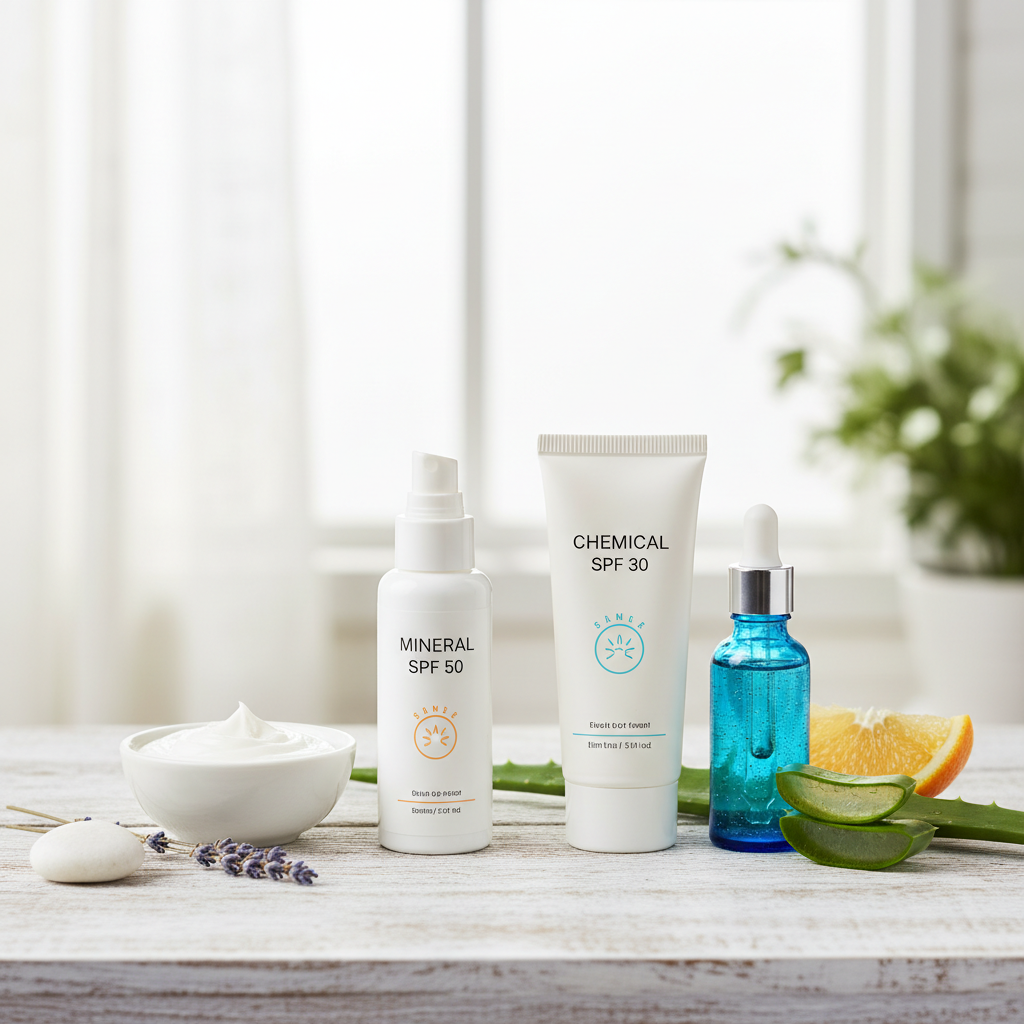
Mineral sunscreens, often referred to as physical blockers, create a protective shield on the surface of your skin. Their magic lies in two key active ingredients: zinc oxide and titanium dioxide. These naturally occurring minerals work by physically deflecting and scattering harmful ultraviolet (UV) rays away from your skin, much like a tiny mirror. Think of them as your skin’s personal bouncers, preventing UV radiation from ever entering the club.
Zinc oxide is particularly lauded for its broad-spectrum protection, meaning it effectively guards against both UVA (aging rays) and UVB (burning rays). Titanium dioxide also offers excellent UVB protection and some UVA coverage. For those with sensitive or reactive skin, mineral sunscreens are often the dermatologist-recommended choice because their ingredients are generally considered less irritating, as they don’t get absorbed into the skin. Modern formulations have come a long way from the thick, chalky white pastes of the past, with many brands now offering micronized or non-nano versions that rub in more sheerly, minimizing the dreaded white cast while maintaining efficacy.
How Do Chemical Sunscreens Protect My Skin?
Chemical sunscreens, in contrast to their mineral counterparts, work by absorbing UV radiation as it penetrates the skin. Instead of deflecting, these organic compounds create a chemical reaction that converts UV rays into heat, which is then released from the skin. Common FDA-approved active ingredients in chemical sunscreens include oxybenzone, avobenzone, octinoxate, octisalate, homosalate, and octocrylene. In 2026, you’ll also find brands incorporating newer, often more stable chemical filters that are popular in other global markets, though FDA approval processes can be slower in the US.
The primary advantage of chemical sunscreens is their aesthetic elegance. They tend to be lighter in texture, completely transparent, and easier to blend into the skin, making them ideal for daily wear, especially under makeup. They’re also often formulated to be more water-resistant, which is a significant plus for active lifestyles or humid climates. However, because they work via absorption and a chemical reaction, some individuals with very sensitive skin might experience irritation, and they require about 15-20 minutes after application to become fully effective.
Mineral vs. Chemical: A Direct Comparison for Your Daily Routine
Understanding the fundamental differences is the first step. Now, let’s break down how these distinctions might impact your daily skincare choices, considering factors like application, skin compatibility, and overall experience.
| Feature | Mineral (Physical) Sunscreen | Chemical Sunscreen | Hybrid Sunscreen |
|---|---|---|---|
| Active Ingredients | Zinc Oxide, Titanium Dioxide | Oxybenzone, Avobenzone, Octinoxate, Octisalate, Homosalate, Octocrylene (and newer filters) | Combination of mineral and chemical filters |
| Mechanism of Action | Sits on skin surface, reflects/scatters UV rays | Absorbs into skin, converts UV rays into heat | Both reflection and absorption |
| Application Time | Effective immediately upon application | Requires 15-20 minutes to become effective | Generally effective immediately or within a few minutes |
| Aesthetics | Can leave a white cast, thicker texture (though modern formulas are improving) | Typically sheer, lightweight, no white cast, blends easily | Often offers the best of both: good aesthetics with robust protection |
| Skin Sensitivity | Generally well-tolerated, ideal for sensitive, reactive, or post-procedure skin | Potential for irritation in very sensitive individuals | Varies by formulation; can be good for moderate sensitivity |
| Reapplication | Needs reapplication every 2 hours, or after swimming/sweating | Needs reapplication every 2 hours, or after swimming/sweating | Needs reapplication every 2 hours, or after swimming/sweating |
Which Sunscreen Type is Better for Sensitive Skin?
For individuals with sensitive, reactive, or acne-prone skin, mineral sunscreens often emerge as the superior choice. Because zinc oxide and titanium dioxide sit on the skin’s surface rather than being absorbed, they are less likely to trigger allergic reactions or irritation. This makes them particularly suitable for those with conditions like rosacea, eczema, or anyone who finds their skin easily agitated by new products.
Chemical sunscreens, while generally safe, contain organic compounds that some sensitive skin types might react to. Ingredients like oxybenzone, in particular, have been noted by dermatologists as potential sensitizers for a small percentage of the population. If you have a history of skin allergies or easily get redness and itching, starting with a mineral-based SPF is a prudent approach. Always patch test any new sunscreen on a small area of skin before applying it all over your face.
Navigating the World of Sunscreen Actives and Skincare Routines
Your SPF isn’t an island; it’s a critical component of your broader skincare ecosystem. Integrating it seamlessly with other powerful actives is key to maximizing benefits without causing irritation. Here’s how sunscreen interacts with some popular ingredients:
- Retinol/Retinal: These potent Vitamin A derivatives (like retinal, gaining traction for its efficiency) increase skin cell turnover, making skin more photosensitive. Daily, high-SPF sunscreen is absolutely non-negotiable to protect new skin cells and prevent sun damage, especially when using these at night.
- Vitamin C: An antioxidant powerhouse, Vitamin C boosts collagen and brightens skin. When worn under sunscreen, it provides an additional layer of antioxidant protection against environmental stressors, enhancing your SPF’s defense.
- AHAs (Alpha Hydroxy Acids) & Salicylic Acid: Exfoliating acids like AHAs (glycolic, lactic) and salicylic acid also make your skin more vulnerable to sun damage by removing dead skin cells. Consistent SPF use is vital to protect the newly revealed skin and prevent hyperpigmentation.
- Niacinamide & Ceramides: These ingredients focus on strengthening the skin barrier, reducing inflammation, and improving hydration. Sunscreen works synergistically by preventing external damage that would compromise the barrier further, allowing niacinamide and ceramides to perform optimally.
- Hyaluronic Acid & Peptides: Hydrators like hyaluronic acid and collagen-boosting peptides benefit from a healthy skin environment. SPF protects these ingredients from degradation by UV rays and ensures your skin remains a receptive canvas for their plumping and firming effects.
When incorporating dermal-grade at-home tools (like microcurrent devices or LED masks), always apply your SPF as the final step in your morning routine. These treatments can sometimes leave skin temporarily more vulnerable, making robust sun protection even more essential.
Sunscreen Reapplication in the Real World: What Does 2026 Science Say?
The “every two hours” rule for sunscreen reapplication isn’t just a suggestion; it’s a scientific necessity. Sunscreen filters degrade over time due to sun exposure, sweat, and friction. In 2026, research continues to emphasize that consistent reapplication is as crucial as the initial application for sustained protection. This applies whether you’re using a mineral or chemical formula.
For those with active lifestyles or prolonged outdoor exposure, water-resistant formulas are excellent, but remember “water-resistant” does not mean “waterproof.” You still need to reapply after swimming, excessive sweating, or towel drying. For daily wear, especially over makeup, innovative products like SPF setting sprays, powders, and sticks have become popular. While convenient, ensure these supplemental products provide adequate coverage and are applied generously enough to truly boost your protection, rather than just offering a light dusting. A good rule of thumb is to reapply your primary liquid sunscreen if you’re going to be outdoors for an extended period, regardless of makeup.
How Do I Choose Between Drugstore and Prestige Sunscreens?
The good news for your wallet in 2026 is that when it comes to sun protection, efficacy is not solely tied to price. All sunscreens sold in the US, whether from a drugstore or a high-end department store, must meet FDA-approved standards for SPF and broad-spectrum claims. This means a $10 drugstore SPF 30 offers the same foundational level of protection as a $50 prestige brand SPF 30.
So, what are you paying for with prestige sunscreens? Often, it’s the elegance of the formulation: a more cosmetically appealing texture that blends seamlessly, added skincare benefits (like antioxidants, ceramides, or peptides), unique delivery systems, or luxurious packaging. Drugstore brands, however, have significantly elevated their game, offering increasingly sophisticated formulas that rival their prestige counterparts in texture and added benefits, often incorporating dermatologist-favorite actives like niacinamide or hyaluronic acid. The “best” sunscreen, regardless of price point, is the one you enjoy using and will apply consistently every single day. Don’t let budget be a barrier to essential sun protection.
Which SPF is Best for My Skin Type?
Tailoring your SPF choice to your specific skin type can significantly improve adherence and overall skin health.
- Oily/Acne-Prone Skin: Look for lightweight, non-comedogenic (won’t clog pores), oil-free formulas. Gel or fluid textures are often preferred. Mineral sunscreens with a matte finish or chemical sunscreens designed for oily skin can work well. Ingredients like niacinamide can help manage oil.
- Dry/Mature Skin: Hydration is key. Opt for creamy, emollient formulas that offer additional moisturizing benefits. Sunscreens with hyaluronic acid, ceramides, or glycerin will be your friends. Both mineral and chemical sunscreens can work, but avoid overly mattifying formulas.
- Combination Skin: This type benefits from balanced formulas. You might prefer a lightweight fluid or gel that doesn’t exacerbate oiliness in the T-zone but still provides comfort to drier areas. Many modern chemical or hybrid sunscreens are formulated to suit combination skin.
- Sensitive Skin: As discussed, mineral sunscreens (zinc oxide, titanium dioxide) are typically the safest bet due to their gentle, non-absorbed nature. Look for formulas free from fragrance, parabens, and common irritants.
Frequently Asked Questions
Can I use a combination (hybrid) sunscreen?
Absolutely! Hybrid sunscreens, which blend both mineral and chemical filters, are an excellent option for many. They often offer the best of both worlds: the broad-spectrum stability and gentle nature of mineral filters combined with the elegant, sheer finish of chemical filters. Many people find these formulations strike a perfect balance, making them more enjoyable to use daily.
Is SPF in makeup enough for daily protection?
While SPF in makeup (foundations, BB creams, powders) offers some level of protection, it’s generally not sufficient on its own. To achieve the stated SPF factor, you’d need to apply a much thicker layer of makeup than most people typically wear. Additionally, makeup isn’t always applied evenly across the entire face. Dermatologists universally recommend applying a dedicated broad-spectrum sunscreen with at least SPF 30 as the final step in your skincare routine, before any makeup, for reliable protection.
What’s the deal with “reef-safe” sunscreens?
The term “reef-safe” primarily refers to sunscreens that avoid oxybenzone and octinoxate, chemical filters that some studies suggest may harm coral reefs. While this is an important environmental consideration, especially if you’re swimming in marine environments, for everyday US-based use, the primary concern should remain your personal skin protection. Mineral sunscreens (zinc oxide, titanium dioxide) are generally considered reef-safe, and many chemical sunscreens are now formulated without the controversial ingredients.
How much sunscreen should I use on my face?
The commonly recommended amount for the face and neck is about a quarter teaspoon, or roughly the size of a nickel. This might seem like a lot, but it’s the amount necessary to achieve the SPF factor indicated on the bottle. Don’t forget often-missed areas like your ears, hairline, and the back of your neck.
Does SPF expire?
Yes, sunscreen does expire. Most sunscreens have an expiration date printed on the packaging, or a Period After Opening (PAO) symbol (an open jar with a number followed by ‘M’, e.g., 12M for 12 months). The active ingredients in sunscreen can degrade over time, making them less effective. Using expired sunscreen means you’re not getting the protection you think you are, leaving your skin vulnerable to sun damage. Always check the date and replace your sunscreen annually, or sooner if you’re using it consistently.
Conclusion
Whether you lean towards the reflective power of mineral sunscreens or the elegant absorption of chemical formulas, the most crucial takeaway for 2026 and beyond remains consistent daily use. Both types are highly effective at protecting your skin from the sun’s damaging rays, which is fundamental to preventing premature aging, hyperpigmentation, and the risk of skin cancer. Experiment with different formulations, textures, and brands—both drugstore and prestige—to find the SPF that feels best on your skin and fits seamlessly into your lifestyle. The best sunscreen for you is the one you will commit to wearing every single day, without fail.