Microcurrent devices can be a worthwhile investment for facial firming, offering a non-invasive approach to improve muscle tone, contour, and skin texture. While they won’t replicate surgical results, consistent use can deliver noticeable, natural-looking lifting and a more youthful appearance, particularly for those addressing early signs of laxity or seeking preventative measures.
Introduction
In the evolving landscape of at-home skincare, microcurrent devices have emerged as a prominent tool for those seeking to firm and lift their facial contours without invasive procedures. As we navigate 2026, with an increasing focus on dermal-grade home tools and evidence-informed routines, understanding the true potential and limitations of microcurrent technology is more crucial than ever.
What Exactly Is Microcurrent Technology and How Does It Work?
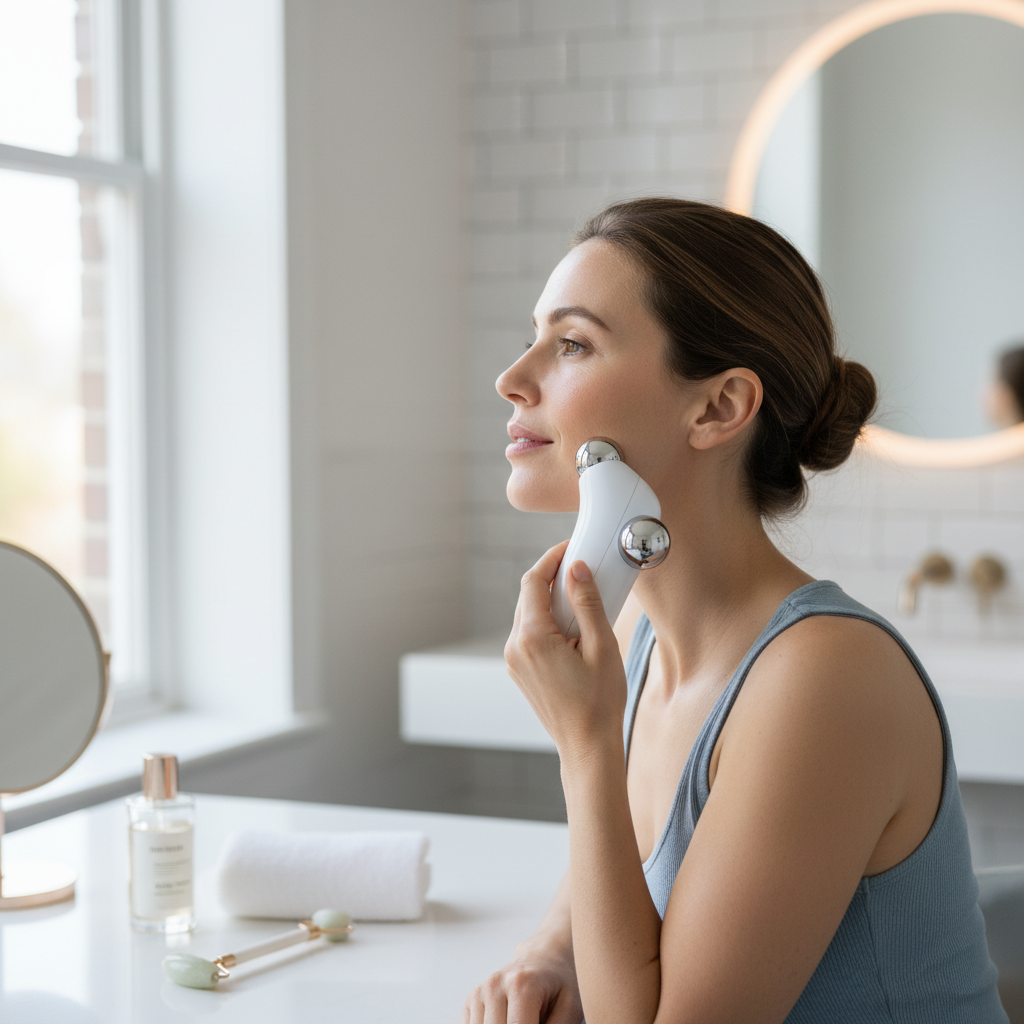
Microcurrent technology harnesses low-level electrical currents, mimicking the body’s natural electrical impulses, to stimulate facial muscles and skin cells. Unlike more aggressive treatments, microcurrent operates at a very low voltage, typically in the microampere range, making it a gentle yet effective approach to facial rejuvenation. Think of it as a subtle, targeted workout for your face.
The primary mechanisms through which microcurrent devices claim to firm and lift involve two key biological processes. Firstly, they are believed to stimulate adenosine triphosphate (ATP) production, often referred to as the “energy currency” of the cell. Increased ATP can enhance cellular repair, boost collagen and elastin production, and improve overall cellular function. Secondly, microcurrent works on the facial muscles, which can become lax or lose tone over time. By delivering gentle electrical impulses, these devices aim to re-educate the muscles, encouraging them to contract and relax, which can lead to improved muscle tone, a more lifted appearance, and enhanced facial contour.
What Results Can I Realistically Expect from At-Home Microcurrent Devices?
Managing expectations is key when considering any at-home skincare device, and microcurrent is no exception. While consistent use can yield impressive results, it’s important to understand that microcurrent devices do not offer the dramatic, immediate transformation associated with surgical facelifts or injectables. Instead, users can realistically expect a more subtle, gradual, and natural-looking improvement.
For many, the primary benefits include a noticeable improvement in facial contour, particularly around the jawline and cheekbones, and a general lifting effect that can make the face appear firmer and more sculpted. Fine lines and wrinkles may appear softened due to improved skin tone and hydration, and some users report a more radiant, even complexion. The effects are cumulative; consistent, regular use over several weeks or months is essential to see and maintain optimal results. Think of it like going to the gym: you don’t see results after one session, but dedication over time pays off. Individual results can vary based on factors like age, skin condition, and consistency of use.
Who Is an Ideal Candidate for Microcurrent Treatments?
Microcurrent devices are generally well-suited for a broad range of individuals, but certain demographics and skin concerns make someone an ideal candidate. These devices are particularly beneficial for women in their late 20s, 30s, 40s, and beyond who are beginning to notice the early signs of facial laxity, such as a softening jawline, drooping brows, or a general loss of firmness. They can also serve as an excellent preventative measure, helping to maintain muscle tone and skin vitality before more significant signs of aging appear.
Most skin types—oily, dry, combination, and mature—can safely use microcurrent devices. However, those with very sensitive skin should perform a patch test first. It’s crucial to be aware of contraindications: microcurrent should not be used by individuals with pacemakers, implanted electronic devices, epilepsy, active cancer, or those who are pregnant. It’s also advised to avoid treating areas with active acne breakouts, open wounds, or recent surgical procedures until fully healed. Always consult with a dermatologist or healthcare provider if you have underlying health conditions or concerns.
How Do At-Home Microcurrent Devices Compare to Professional Treatments and Other Skincare Solutions?
Microcurrent vs. Professional Treatments (Ultherapy, Thermage, Fillers, Botox)
At-home microcurrent devices offer a gentle, non-invasive alternative to more intensive professional treatments. Procedures like Ultherapy and Thermage use focused ultrasound or radiofrequency energy, respectively, to heat deeper layers of the skin, stimulating collagen production for more significant and longer-lasting tightening results, often with fewer sessions. Fillers add volume and lift, while Botox relaxes muscles to smooth wrinkles. These professional treatments typically deliver more dramatic and immediate results but come with a higher cost, potential downtime, and greater risks. Microcurrent, in contrast, provides a subtler, gradual improvement, making it ideal for maintenance, prevention, or for those seeking a less aggressive approach. It’s often seen as complementary to professional treatments, helping to extend their effects.
Microcurrent vs. Topical Skincare Actives
Topical skincare plays a vital role in any anti-aging regimen and works synergistically with microcurrent. Here’s how some key actives contribute:
- Retinol/Retinal: These Vitamin A derivatives are gold standards for anti-aging, accelerating cell turnover, stimulating collagen production, and improving skin texture and tone. Retinal, a newer form, is often considered more potent than retinol with less irritation.
- Peptides: Small chains of amino acids, peptides act as messengers, signaling the skin to produce more collagen, elastin, and other vital proteins, thereby improving firmness and reducing wrinkles.
- Vitamin C (Ascorbic Acid): A powerful antioxidant, Vitamin C protects against environmental damage, brightens the complexion, and is crucial for collagen synthesis, enhancing skin’s firmness and elasticity.
- Hyaluronic Acid: A humectant that draws and holds moisture, hyaluronic acid deeply hydrates the skin, plumping it up and temporarily smoothing fine lines, which can enhance the lifting effect of microcurrent.
- Niacinamide (Vitamin B3): This versatile ingredient improves skin barrier function, reduces inflammation, minimizes pore appearance, and evens skin tone, creating a healthier canvas for any treatment.
- Ceramides: Essential lipids that make up a significant portion of the skin barrier, ceramides are crucial for maintaining skin hydration and protecting against environmental aggressors, a focus in 2026 skincare for overall skin health.
- Mineral SPF (Zinc Oxide, Titanium Dioxide): Non-negotiable for preventing photoaging. Mineral sunscreens provide broad-spectrum protection by physically blocking UV rays, crucial for preserving the results of any firming effort. The science around consistent reapplication has become even more refined in 2026.
Integrating these actives into a routine alongside microcurrent can amplify anti-aging benefits, addressing concerns from multiple angles.
Microcurrent vs. Other At-Home Tools (Red Light Therapy, RF Devices)
The at-home device market is booming. Red light therapy devices use specific wavelengths of light to penetrate the skin and stimulate cellular activity, promoting collagen production and reducing inflammation. Radiofrequency (RF) devices, on the other hand, use heat to tighten existing collagen and stimulate new collagen formation. While all aim for skin rejuvenation, their mechanisms differ. Microcurrent focuses on muscle re-education and ATP, red light on cellular light absorption, and RF on dermal heating. They can be used independently or, in some cases, synergistically, depending on individual goals and device compatibility. Always research manufacturer guidelines when combining devices.
What Are the Potential Downsides and Risks of Using Microcurrent Devices?
While generally safe and non-invasive, microcurrent devices do come with considerations that potential users should be aware of before investing. The most significant barrier for many is the initial cost. High-quality devices from reputable brands can range from a few hundred to over a thousand dollars, representing a notable upfront investment. Beyond the device itself, there’s the ongoing cost of conductive gel, which is essential for proper current delivery and preventing uncomfortable sensations. Many devices recommend using their proprietary gels, which can add up over time.
Another crucial factor is the time commitment. To achieve and maintain results, microcurrent treatments require consistency. Most protocols suggest using the device 5-7 times a week for the first 6-8 weeks, followed by 2-3 times a week for maintenance. Each session typically lasts 5-20 minutes. This daily dedication can be a challenge for those with busy schedules, and inconsistency will likely lead to suboptimal results.
In terms of immediate effects, some users may experience temporary redness, a slight tingling sensation, or even minor muscle twitching during treatment, which usually subsides quickly. While rare, improper use or using a device on contraindicated areas could lead to discomfort. As mentioned earlier, individuals with certain medical conditions (pacemakers, epilepsy, pregnancy, active cancer) should strictly avoid microcurrent devices. Always read the instruction manual thoroughly and consult with a dermatologist if you have any pre-existing skin conditions or health concerns.
How Do I Choose the Right Microcurrent Device for My Skincare Goals?
Navigating the array of microcurrent devices available can be daunting. To make an informed decision, consider these factors:
- FDA Clearance: For US consumers, look for devices that have received FDA clearance, indicating they are safe and effective for their intended use. This offers a level of assurance regarding product quality and safety standards.
- Intensity Levels: Devices vary in their maximum output. Some offer adjustable intensity, allowing you to customize the treatment to your comfort level and progress.
- Features and Technology:
- App Connectivity: Many modern devices connect to a smartphone app, offering guided treatments, progress tracking, and personalized routines. This can be very helpful for consistency.
- Smart Sensors: Some devices include sensors that ensure proper contact with the skin, optimizing current delivery.
- Attachments: Consider if the device offers different attachments for targeted treatment of smaller areas (e.g., around the eyes or lips) or larger areas (neck, décolletage).
- Ergonomics and Ease of Use: A device that feels comfortable in your hand and is easy to maneuver will encourage consistent use.
- Brand Reputation and Reviews: Research established brands with positive user reviews and a good track record in the skincare device market.
Microcurrent Device Comparison Snapshot (Illustrative)
| Feature | "LiftLux Mini" | "SculptPro Connect" | "AuraLift Pro" | "GlowTone Max" |
|---|---|---|---|---|
| Target User | Beginner, travel | Intermediate, tech-savvy | Advanced, comprehensive | All users, ease-of-use |
| Intensity Levels | 3 fixed | 5 adjustable | 10 adjustable + personalized modes | 4 pre-set programs |
| Key Features | Compact, ergonomic design | App-guided routines, smart sensors | Multiple attachments, advanced waveform technology | Built-in timer, travel lock |
| Treatment Areas | Face, neck | Full face, neck, décolletage | Full face, neck, eyes, lips | Face, jawline |
| Conductive Gel | Proprietary required | Proprietary recommended | Any water-based gel | Proprietary required |
What’s the Best Way to Incorporate Microcurrent into My Daily Skincare Routine?
Integrating a microcurrent device seamlessly into your existing skincare routine is crucial for maximizing its benefits and ensuring consistency. Here’s a recommended sequence:
- Cleanse Thoroughly: Start with a gentle cleanser to remove makeup, dirt, and oil. A clean canvas ensures optimal conductivity and prevents impurities from interfering with the device. In 2026, the emphasis is on maintaining a healthy skin barrier, so opt for non-stripping, hydrating cleansers, especially if you have dry or sensitive skin.
- Apply Conductive Gel: This step is non-negotiable. Apply a generous layer of a water-based conductive gel to the treatment area. The gel creates a barrier that allows the microcurrent to penetrate the skin effectively and comfortably. Without it, you’ll feel uncomfortable zaps or no current at all.
- Perform Microcurrent Treatment: Follow your device’s instructions for specific movements and duration. Typically, you’ll glide the device in upward and outward motions, targeting areas like the jawline, cheeks, forehead, and brows. Consistency in movement is key to muscle re-education.
- Wipe Off Excess Gel (Optional): If your conductive gel is not formulated to be left on or absorbed, gently wipe off any excess with a soft, damp cloth. Some newer gels are designed to be skincare treatments themselves, absorbing into the skin.
- Apply Serums and Moisturizers: Now is the ideal time to apply your targeted skincare treatments. Skin may be more receptive to ingredients like peptides for firmness, hyaluronic acid for hydration, or niacinamide for barrier support and tone.
- Finish with Sunscreen: During the day, always conclude your routine with a broad-spectrum mineral SPF. Protecting your skin from UV damage is paramount to preserving the collagen and elastin you’re working to build and maintain, reinforcing the long-term benefits of your microcurrent efforts. Remember the 2026 advice: reapply throughout the day!
For initial results, aim for 5-7 times a week for the first 6-8 weeks, then reduce to 2-3 times a week for maintenance. Listen to your skin and adjust as needed.
Frequently Asked Questions
Is microcurrent FDA-approved?
Many microcurrent devices for at-home use are “FDA-cleared,” which means the FDA has determined they are substantially equivalent to another legally marketed device and are safe and effective for their intended use (e.g., facial stimulation, toning, or wrinkle reduction). This is different from “FDA-approved,” which is typically reserved for higher-risk medical devices or drugs. Always check for FDA clearance when purchasing a device for the US market.
How long until I see results from microcurrent?
Results are not immediate and require consistency. Many users report seeing subtle improvements in facial contour and skin radiance within 4-6 weeks of consistent use (5-7 times per week). More significant lifting and firming benefits typically become apparent after 8-12 weeks. Maintenance treatments (2-3 times per week) are essential to sustain these results.
Can I use microcurrent devices if I have fillers or Botox?
It’s generally recommended to wait at least 1-2 weeks after receiving injectables like Botox or dermal fillers before using a microcurrent device. This allows the injectables to settle properly and reduces any potential interaction or premature degradation. Always consult with your injector or dermatologist for personalized advice, as specific product types and injection sites might influence recommendations.
Does microcurrent treatment hurt?
When used correctly with sufficient conductive gel, microcurrent treatments should not be painful. You might experience a very mild tingling sensation, a slight warmth, or a subtle twitching of facial muscles, especially at higher intensity settings. If you feel a sharp or uncomfortable zap, it typically indicates insufficient conductive gel or improper contact with the skin. Ensure the device is always gliding smoothly over a well-hydrated, gel-covered surface.
What kind of conductive gel should I use with my microcurrent device?
Most microcurrent devices require a water-based conductive gel to ensure proper current delivery and prevent discomfort. While many brands offer proprietary gels, a simple aloe vera gel (without alcohol or heavy oils) or a basic water-based ultrasound gel can often be used as an alternative, provided it is compatible with your device and doesn’t cause irritation. Always check your device’s manual for specific recommendations, as some devices are optimized for their own formulations.
Conclusion
For women in 2026 seeking a non-invasive, proactive approach to facial firming, microcurrent devices represent a valuable investment. While they require consistent commitment and won’t replace surgical interventions, their ability to improve muscle tone, enhance contour, and contribute to overall skin vitality makes them a compelling addition to a comprehensive anti-aging regimen. By understanding their mechanisms, managing expectations, and integrating them thoughtfully with effective topical skincare, microcurrent can indeed be a worthwhile tool in achieving a firmer, more radiant complexion.