For women in the US battling melasma in 2026, the best SPF is a broad-spectrum mineral formula containing zinc oxide and/or titanium dioxide, with an SPF of 30 or higher (ideally 50+), applied diligently every morning and reapplied every two hours or after sweating/swimming. This consistent, physical barrier is paramount for preventing the UV and visible light that trigger hyperpigmentation.
Introduction
Melasma, often dubbed the “mask of pregnancy” but affecting many women beyond that phase, is a frustrating skin condition characterized by brown or grayish-brown patches, primarily on the face. In 2026, we understand more than ever that while genetics, hormones, and inflammation play roles, ultraviolet (UV) radiation and visible light are the primary culprits in triggering and worsening melasma. That’s why choosing the right SPF isn’t just a recommendation—it’s the cornerstone of melasma management.
What exactly is melasma and why is sun protection so crucial?
Melasma is a chronic skin disorder where melanocytes, the pigment-producing cells in your skin, become overactive, leading to an overproduction of melanin. These dark patches typically appear on the cheeks, forehead, chin, and upper lip. While hormonal fluctuations (like those during pregnancy, from birth control pills, or hormone replacement therapy) are common triggers, the most significant external factor is exposure to sunlight, including both UVA and UVB rays, and increasingly, visible light (HEV light).
Sun protection is crucial because UV radiation directly stimulates melanocytes to produce more pigment. It’s not just about preventing sunburn; it’s about blocking the specific wavelengths that tell your skin to create those dark spots. Without rigorous, daily sun protection, any other melasma treatments—whether prescription topicals or professional procedures—will be significantly less effective, or even completely undone. Think of SPF as the ultimate preventative shield, keeping new spots from forming and existing ones from darkening.
Which type of SPF is truly best for melasma-prone skin?
When it comes to melasma, not all SPFs are created equal. The consensus among dermatologists for melasma-prone skin overwhelmingly favors mineral sunscreens.
Mineral vs. Chemical: The Great Debate for Hyperpigmentation
Mineral sunscreens, also known as physical blockers, use zinc oxide and/or titanium dioxide as their active ingredients. These FDA-approved minerals sit on the surface of your skin, forming a physical barrier that reflects and scatters UV radiation away from your skin.
- Zinc Oxide: Offers broad-spectrum protection, effectively blocking both UVA and UVB rays, and crucially, has been shown to offer protection against visible light, which is a significant trigger for melasma. It’s generally well-tolerated by sensitive skin.
- Titanium Dioxide: Primarily blocks UVB rays and some UVA, but less comprehensively than zinc oxide. It is also gentle on the skin.
The benefit of mineral sunscreens for melasma extends beyond UV protection. Their ability to block visible light is a game-changer. Visible light, particularly blue light, can penetrate deeper into the skin than UV rays and has been identified as a significant contributor to hyperpigmentation, especially in darker skin tones. Mineral sunscreens, particularly those with a slight tint, offer this extra layer of defense.
Chemical sunscreens work by absorbing UV rays and converting them into heat, which is then released from the skin. Common active ingredients include oxybenzone, avobenzone, octinoxate, and octisalate. While effective at blocking UV, some concerns exist for melasma:
- The process of converting UV into heat can potentially exacerbate melasma in some individuals, as heat itself is an inflammatory trigger.
- Many chemical filters do not offer significant protection against visible light.
- For those with sensitive skin, chemical filters can sometimes cause irritation.
For these reasons, a mineral-based SPF is generally the preferred choice for melasma management.
What SPF number and broad-spectrum protection should I look for?
The “SPF number” primarily indicates the level of protection against UVB rays, which are the main cause of sunburn. For melasma, however, UVA rays and visible light are equally, if not more, important.
Understanding SPF Numbers and Broad-Spectrum Labels
- SPF 30: Blocks approximately 97% of UVB rays. This is the minimum recommended SPF for daily use by dermatologists.
- SPF 50+: Blocks approximately 98% of UVB rays. While the percentage difference seems small, SPF 50+ provides a longer duration of protection and a higher safety margin if you don’t apply enough or reapply perfectly. For melasma, SPF 50+ is often recommended for maximum vigilance.
Crucially, look for the term “broad-spectrum” on the label. This means the sunscreen protects against both UVA and UVB rays. UVA rays penetrate deeper into the skin, contribute to aging, and are a major trigger for melasma, even without causing a burn. In the US, broad-spectrum labeling is regulated by the FDA. Some international products also use a “PA” rating system (PA+, PA++, PA+++, PA++++) to indicate UVA protection, with PA++++ being the highest.
Beyond the SPF number and broad-spectrum claim, for melasma specifically, prioritize mineral formulas with a high percentage of zinc oxide and consider a tinted formula to enhance visible light protection.
Table: Comparing SPF Formulations for Melasma
| SPF Type | Key Actives | Texture/Finish | Key Benefit for Melasma | Considerations |
|---|---|---|---|---|
| Mineral Tinted SPF (e.g., “Mineral Sheer Tint SPF 50”) | Zinc Oxide, Titanium Dioxide, Iron Oxides | Lightweight, often blends to skin tone, natural or dewy finish. | Broad-spectrum UV + significant visible light protection (due to iron oxides). | May not be a perfect match for all skin tones; can be slightly thicker. |
| Mineral Fluid/Serum SPF (e.g., “Weightless Mineral Defense SPF 45”) | Zinc Oxide, Titanium Dioxide | Very lightweight, often sheer, non-greasy, natural finish. | Excellent broad-spectrum UV protection without a heavy feel. | May require additional visible light protection (e.g., from a tinted moisturizer). |
| Hybrid SPF (e.g., “Daily Glow Hybrid SPF 40”) | Zinc Oxide + Chemical Filters (e.g., Avobenzone) | Often cosmetically elegant, sheerer than pure mineral, good spreadability. | Combines benefits of both types, potentially higher SPF with less white cast. | Potential for heat generation from chemical filters could be a concern for some melasma. |
| Water-Resistant Mineral SPF (e.g., “Sport Mineral Guard SPF 50”) | Zinc Oxide, Titanium Dioxide | Thicker, more tenacious, designed for prolonged activity. | Superior protection during swimming or heavy sweating. | Can feel heavier on daily wear; may leave a more noticeable white cast. |
Beyond SPF: What other ingredients can help manage melasma?
While SPF is the foundation, a comprehensive melasma strategy in 2026 often involves complementary topical ingredients that work to interrupt melanin production, reduce inflammation, or accelerate cell turnover.
Topical Actives to Complement Your SPF
Remember, these actives are not substitutes for SPF but work synergistically to address existing pigmentation and prevent recurrence. Always introduce new actives slowly and consult with a dermatologist.
- Vitamin C (Ascorbic Acid): A potent antioxidant that helps neutralize free radicals caused by UV exposure, which can trigger melanin production. It also directly inhibits tyrosinase, an enzyme crucial for melanin synthesis, and brightens the skin.
- Niacinamide (Vitamin B3): Reduces the transfer of pigment from melanocytes to keratinocytes (skin cells), thereby reducing the appearance of dark spots. It also supports a healthy skin barrier and has anti-inflammatory properties, beneficial for sensitive, melasma-prone skin.
- Retinaldehyde (Retinal) / Retinol: These vitamin A derivatives accelerate cell turnover, helping to shed pigmented skin cells more quickly. Retinal, a newer generation retinoid, is often favored in 2026 for its potency and generally better tolerability than prescription tretinoin, converting to retinoic acid in one step. They also improve skin texture and tone.
- Tranexamic Acid: A powerful ingredient that interferes with the interaction between skin cells and melanocytes, calming inflammation and reducing pigment formation. It’s gaining significant traction in topical melasma treatments.
- Alpha Hydroxy Acids (AHAs) (e.g., Glycolic Acid, Lactic Acid): Gentle exfoliants that help to slough off superficial pigmented cells, revealing brighter skin underneath. Use cautiously with melasma, as excessive irritation can sometimes worsen pigmentation.
- Ceramides: Not directly targeting melasma, but essential for maintaining a strong skin barrier. A compromised barrier can lead to inflammation, which can exacerbate melasma. Ceramides support barrier function, making skin more resilient to irritants and environmental stressors.
How do I effectively incorporate SPF into my daily 2026 skincare routine?
The best SPF is the one you’ll use consistently and correctly. For melasma, this means daily, year-round application, regardless of weather or indoor activity.
Your Melasma-Focused Daily Routine Checklist
Consistency is key. Follow these steps every morning:
- Cleanse: Start with a gentle cleanser to remove overnight buildup without stripping your skin barrier.
- Antioxidant Serum: Apply a Vitamin C serum to provide an extra layer of antioxidant protection against environmental damage.
- Treatment Serum: If using, apply specific melasma-targeting serums (e.g., Niacinamide, Tranexamic Acid).
- Moisturize: Apply a hydrating moisturizer, especially if using actives that can be drying.
- Apply SPF (Generously!): This is your most critical step. Use at least a nickel-sized amount for your face alone (about 1/4 teaspoon). Don’t forget your neck, chest, and hands. Allow it to fully absorb before makeup.
- Reapply SPF: This is non-negotiable for melasma. Reapply every two hours, or immediately after swimming, sweating heavily, or towel drying. This is where SPF sticks, powders, or mists can be handy for on-the-go reapplication over makeup.
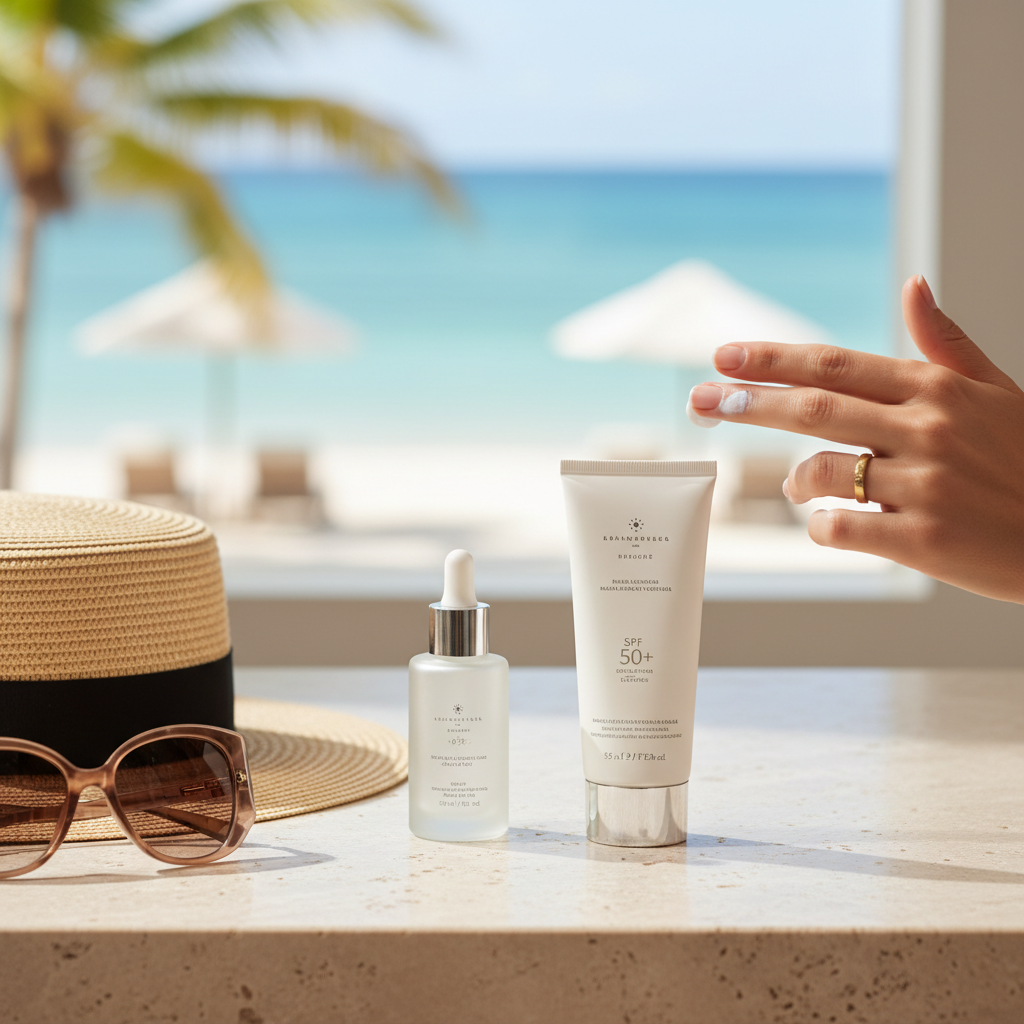
- Seek Shade & Wear Protective Clothing: Supplement your SPF with wide-brimmed hats, sunglasses, and UPF clothing, especially during peak sun hours (10 AM – 4 PM).
Remember, sunscreen reapplication science in 2026 emphasizes the importance of frequent reapplication, even if you’re not swimming or sweating, as SPF degrades over time and with environmental exposure.
Are there specific SPF considerations for different US skin types?
Your skin type plays a significant role in how an SPF feels and performs, influencing your willingness to use it consistently.
- Oily/Acne-Prone Skin: Look for “non-comedogenic” (won’t clog pores), “oil-free,” or “mattifying” formulas. Gel-cream or fluid mineral SPFs can be excellent choices. Zinc oxide can also have mild anti-inflammatory properties beneficial for acne.
- Dry/Sensitive Skin: Opt for hydrating, fragrance-free mineral SPFs that contain soothing ingredients like ceramides, hyaluronic acid, or squalane. Avoid chemical filters if sensitivity is a concern.
- Combination Skin: You might prefer lighter textures on oilier zones and slightly richer ones on drier areas, or a balanced hydrating fluid. Tinted mineral SPFs can help even out skin tone.
- Mature Skin: Hydrating formulas with additional antioxidants or peptides can be beneficial. Look for SPFs that offer a dewy finish to avoid accentuating fine lines.
- Deeper Skin Tones: The “white cast” often associated with mineral sunscreens has been a long-standing concern. In 2026, many brands have formulated micronized zinc oxide and titanium dioxide, or incorporated iron oxides for tinting, to blend seamlessly into darker complexions without a ghostly residue. A tinted mineral SPF is often the best choice here, as the iron oxides also provide enhanced visible light protection.
Drugstore vs. Prestige: Can I find effective melasma SPF at any price point?
Absolutely. The effectiveness of an SPF for melasma hinges on its active ingredients (zinc oxide, titanium dioxide), broad-spectrum protection, and SPF number, not necessarily its price tag. Many drugstore brands offer excellent, FDA-approved mineral SPFs that meet all the criteria for melasma protection.
While prestige brands may offer more elegant textures, additional botanical extracts, or specialized delivery systems, the core sun-protective benefits are often comparable. Focus on the ingredient list and the formulation’s feel on your skin. A more affordable SPF that you love to wear daily and reapply diligently is far superior to an expensive one that sits in your cabinet. Dermatologist consensus consistently emphasizes accessibility and consistent use over brand prestige.
Frequently Asked Questions
Can SPF alone cure melasma?
No, SPF alone cannot “cure” melasma, as it’s a chronic condition influenced by multiple factors. However, consistent and correct SPF application is the single most important step in preventing new pigmentation, stopping existing spots from darkening, and allowing other treatments to be effective. It’s the foundational pillar of melasma management.
How much SPF should I apply for optimal melasma protection?
For your face alone, you should apply approximately 1/4 teaspoon, or about the size of a nickel. Don’t forget your neck, ears, and décolletage, applying similar generous amounts. Many people under-apply sunscreen, significantly reducing its stated SPF protection. When in doubt, apply a bit more.
Is tinted SPF better for melasma than untinted?
Yes, often it is. Tinted mineral sunscreens typically contain iron oxides, which have been shown to provide additional protection against visible light, including blue light. Since visible light is a known trigger for melasma, particularly in darker skin tones, a tinted mineral SPF offers a more comprehensive shield against hyperpigmentation.
Do I need SPF indoors if I have melasma?
Yes, it’s highly recommended. UVA rays can penetrate windows, and visible light from screens (like computers and phones) can also contribute to melasma. While the exposure is less intense than direct sunlight, for a condition as sensitive as melasma, daily indoor SPF wear provides crucial continuous protection.
What about blue light protection for melasma?
Blue light (part of visible light) is increasingly recognized as a melasma trigger. Mineral sunscreens, particularly those containing iron oxides (which give tinted SPFs their color), offer a degree of blue light protection by reflecting and scattering these wavelengths. Some 2026 formulations also include specific antioxidants designed to mitigate blue light damage.
Conclusion
For women in the US navigating melasma in 2026, choosing the best SPF is a non-negotiable daily commitment. Opt for a broad-spectrum mineral sunscreen with at least SPF 30 (ideally 50+), featuring zinc oxide, and consider a tinted formula for enhanced visible light protection. Paired with complementary active ingredients and consistent reapplication, this strategic approach to sun protection will empower you to effectively manage melasma and achieve a clearer, more even-toned complexion.