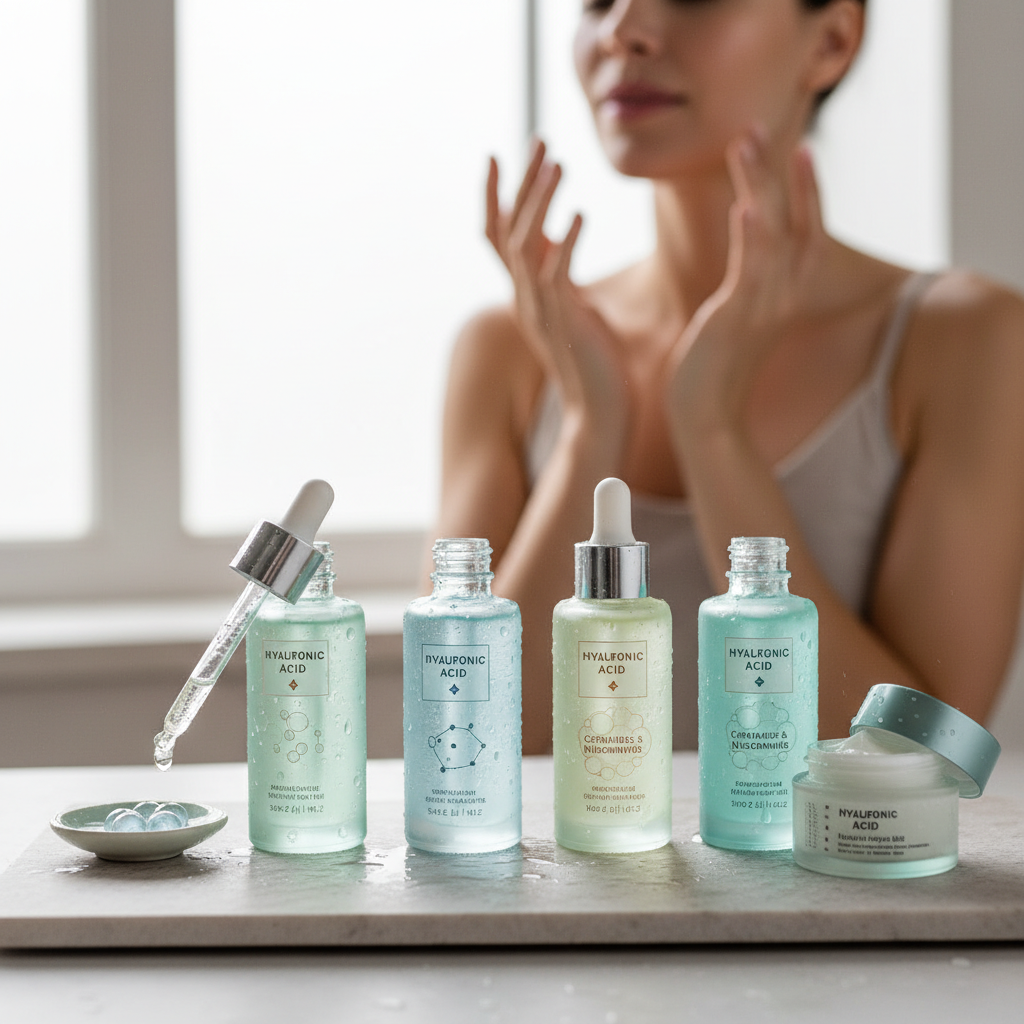
For women in 2026 seeking to quench dry skin, the best hyaluronic acid serums combine multi-molecular weight HA with barrier-supporting ingredients like ceramides and niacinamide. Top picks include advanced formulas that not only hydrate but also fortify the skin’s natural defenses, offering both immediate plumpness and long-term moisture retention. Prioritize serums applied to damp skin and followed by a moisturizer to maximize their humectant power.
Introduction
In the evolving landscape of skincare, one ingredient consistently reigns supreme for its unparalleled hydrating capabilities: hyaluronic acid. For anyone battling dry, tight, or flaky skin, a well-formulated hyaluronic acid (HA) serum can be a game-changer, transforming your complexion from parched to plump.
What Makes Hyaluronic Acid So Essential for Dry Skin?
Hyaluronic acid is a naturally occurring humectant, a substance that draws moisture from the environment and deeper skin layers into the epidermis. Think of it as a super-sponge for your skin, capable of holding up to 1,000 times its weight in water. For dry skin, this means an immediate surge of hydration, helping to alleviate tightness, improve elasticity, and smooth out fine lines caused by dehydration.
The beauty of modern HA serums, a key focus in 2026, lies in their use of various molecular weights. High molecular weight HA sits closer to the skin’s surface, forming a hydrating film that reduces transepidermal water loss (TEWL) and offers immediate plumping. Lower molecular weight HA penetrates deeper, providing hydration to the lower layers of the epidermis and contributing to long-term skin health. This multi-depth approach ensures comprehensive hydration, a crucial aspect for truly dry skin. Additionally, HA plays a vital role in supporting the skin barrier, a major area of dermatological focus in recent years, by creating an optimal environment for barrier repair and function.
How Do I Choose the Right Hyaluronic Acid Serum for My Specific Dry Skin Needs?
Navigating the plethora of HA serums can be daunting, but choosing the right one for your dry skin involves a few key considerations. It’s not just about the HA itself, but the company it keeps and how it integrates into your overall routine.
Understanding Molecular Weight and Formulation Synergies
As mentioned, look for serums that specify “multi-molecular weight hyaluronic acid” or list various forms like sodium hyaluronate (a salt form of HA with a smaller molecular size) or hydrolyzed hyaluronic acid. These offer more comprehensive hydration. Beyond HA, consider complementary ingredients that enhance hydration and barrier function. Ceramides, cholesterol, and fatty acids are lipids that help rebuild and fortify the skin barrier, sealing in the moisture HA attracts. Niacinamide (Vitamin B3) is another powerhouse, known for its ability to improve barrier function, reduce redness, and regulate oil production, making it excellent for dry and sensitive skin alike.
Drugstore vs. Prestige: Does Price Dictate Efficacy?
In the US market, consumers often weigh the benefits of accessible drugstore options against higher-end prestige brands. For hyaluronic acid, efficacy isn’t solely tied to price. Many dermatologist-recommended drugstore brands offer excellent HA serums with effective formulations. What often differentiates prestige products might be unique delivery systems, a broader range of supporting peptides, more elegant textures, or sustainable sourcing, but the core hydrating power of HA remains consistent across price points when formulated well. Always check the ingredient list for key actives and avoid unnecessary fragrances or dyes if you have sensitive skin.
Considering Your Skin Type and Sensitivity
Even within “dry skin,” there are nuances. Is your skin chronically dry, or just seasonally? Is it also sensitive, prone to redness or irritation? For sensitive dry skin, opt for fragrance-free, minimalist formulas that prioritize hydration and barrier support over a multitude of active ingredients. For mature dry skin, look for serums that also incorporate peptides to support collagen production, or antioxidants like Vitamin C to combat environmental damage. For those with combination skin that leans dry in certain areas, a lightweight HA serum can provide targeted hydration without overburdening oilier zones.
The 5 Best Hydrating Hyaluronic Acid Serums for Dry Skin in 2026
Based on current dermatological consensus and advanced formulation trends, these five types of hyaluronic acid serums stand out for their ability to deliver superior hydration and barrier support for dry skin in 2026. While we won’t name specific commercial products, these represent the cutting edge of what you should seek.
- The Multi-Molecular Hydration Booster: This serum features a blend of high, medium, and low molecular weight hyaluronic acid, ensuring hydration at every level of the epidermis. Often enriched with glycerin and panthenol, it provides immediate plumping and long-lasting moisture retention. Ideal for chronically dry skin that feels tight and lacks suppleness.
- The Barrier-Repair HA Complex: Beyond just hydration, this type of serum is formulated with a robust blend of hyaluronic acid, ceramides, and cholesterol. It’s designed not only to attract water but also to fortify and repair a compromised skin barrier. Excellent for dry, sensitive, or post-procedure skin seeking to restore its natural defenses and prevent moisture loss.
- The Antioxidant-Infused HA Serum: Combining the hydrating power of hyaluronic acid with potent antioxidants like Vitamin C (often in a stable form like THD Ascorbate) or Vitamin E, this serum offers dual benefits. It hydrates deeply while protecting the skin from environmental stressors and free radical damage. Perfect for dry skin concerned with dullness, uneven tone, or signs of premature aging.
- The Peptide-Powered Plumping Serum: This advanced formula pairs hyaluronic acid with various peptides (e.g., matrixyl, argireline) to not only hydrate but also signal the skin to produce more collagen and elastin. The result is plumper, firmer-looking skin with reduced appearance of fine lines and wrinkles, making it a favorite for mature dry skin.
- The Minimalist, Pure HA Hydrator: For those with highly sensitive or reactive dry skin, a streamlined formula focused primarily on multiple forms of hyaluronic acid, perhaps with a touch of soothing allantoin or thermal water, is often best. These serums minimize potential irritants while delivering powerful, pure hydration without unnecessary extras.
Beyond Hyaluronic Acid: What Other Actives Should Dry Skin Seek Out?
While hyaluronic acid is a star, a holistic approach to dry skin often involves other key ingredients. Integrating these actives can amplify your results and address a broader range of concerns.
- Niacinamide (Vitamin B3): A true multi-tasker, niacinamide strengthens the skin barrier, reduces redness and inflammation, and improves skin elasticity. It’s incredibly well-tolerated by most dry and sensitive skin types.
- Ceramides: These are essential lipids that make up a significant portion of your skin barrier. Replenishing ceramides helps to restore the skin’s natural protective layer, preventing moisture loss and defending against environmental irritants.
- Peptides: Small chains of amino acids, peptides act as messengers in the skin, encouraging collagen and elastin production, which can improve skin firmness and reduce the appearance of fine lines, particularly beneficial for mature dry skin.
- Vitamin C (L-Ascorbic Acid or derivatives): A powerful antioxidant, Vitamin C brightens the complexion, evens skin tone, and protects against free radical damage. For dry skin, look for gentler, stable derivatives or formulas buffered with hydrating ingredients.
- Retinoids (Retinol or Retinal): While often associated with anti-aging for all skin types, retinoids like retinol or the more potent retinal can be beneficial for dry skin when introduced slowly and in lower concentrations. They promote cell turnover and collagen production. Always pair with robust hydration and a good moisturizer to mitigate potential dryness.
- Mineral SPF (Zinc Oxide, Titanium Dioxide): Non-negotiable for all skin types, mineral sunscreens provide broad-spectrum protection without irritating sensitive or dry skin. Modern formulations are lightweight and blend seamlessly, crucial for daily use.
Integrating Your HA Serum into a 2026-Optimized Skincare Routine
To maximize the benefits of your hyaluronic acid serum, proper application and layering are key. The “skin barrier first” philosophy of 2026 emphasizes gentle care and smart layering.
Your Daily Hydration Protocol
Morning Routine:
- Gentle Cleanser: Start with a hydrating, non-stripping cleanser.
- HA Serum on Damp Skin: This is crucial. After cleansing, leave your skin slightly damp. Apply 2-3 drops of your HA serum. The residual water on your skin gives the HA something to bind to, enhancing its efficacy.
- Targeted Treatments (Optional): If using a Vitamin C serum or another antioxidant, apply it after HA.
- Moisturizer: Lock in all that hydration with a rich, emollient moisturizer containing ceramides or occlusives to prevent moisture evaporation.
- Mineral SPF: Finish with a broad-spectrum mineral sunscreen. Reapply throughout the day, especially if you’re using dermal-grade at-home tools or spending time outdoors.
Evening Routine:
- Gentle Cleanser: Double cleanse if wearing makeup or heavy SPF.
- HA Serum on Damp Skin: Again, apply to slightly damp skin.
- Treatment Serum: If using a retinoid (retinal is often favored over retinol for its efficiency in 2026) or peptide serum, apply it now.
- Moisturizer: A thicker night cream can provide extra nourishment and support overnight repair.
“Applying hyaluronic acid serum to slightly damp skin is the single most important tip for maximizing its hydrating potential. It gives the humectant molecules readily available water to bind to, preventing it from drawing moisture from deeper skin layers.” – Dermatologist Consensus, SkincareUM 2026 Insights.
Comparative Look at HA Serum Types
Understanding the nuances can help you pick the perfect match.
| HA Serum Type | Key Complementary Actives | Best For | Typical US Price Point |
|---|---|---|---|
| Basic Hydrator | Glycerin, Panthenol | General dry skin, maintaining hydration | Accessible (Drugstore) |
| Barrier Builder | Ceramides, Niacinamide, Cholesterol | Sensitive dry skin, compromised barrier, post-treatment | Mid-Range |
| Anti-Aging Blend | Peptides, Vitamin C, Antioxidants | Mature dry skin, fine lines, dullness | Premium |
| Pure & Potent | Minimal ingredients, multi-weight HA | Highly reactive dry skin, ingredient minimalists | Accessible to Mid-Range |
Frequently Asked Questions
Can I use hyaluronic acid serum if I have sensitive dry skin?
Absolutely. Hyaluronic acid is generally very well-tolerated and rarely causes irritation, making it an excellent choice for sensitive skin types. Look for fragrance-free, minimalist formulations specifically designed for sensitive skin, often incorporating soothing ingredients like allantoin or centella asiatica.
How often should I use hyaluronic acid serum for optimal results?
For most dry skin types, using a hyaluronic acid serum twice daily, both morning and evening, will yield the best results. Consistency is key to maintaining optimal hydration levels and supporting a healthy skin barrier over time.
Does hyaluronic acid serum replace my moisturizer?
No, a hyaluronic acid serum does not replace a moisturizer. Think of HA as a powerful hydrator that draws water into the skin. A moisturizer, especially for dry skin, then acts as an occlusive layer to seal that hydration in, preventing it from evaporating. They work synergistically: HA provides the water, and moisturizer keeps it there.
What’s the difference between “Hyaluronic Acid” and “Sodium Hyaluronate” on an ingredient list?
Sodium Hyaluronate is a salt derivative of hyaluronic acid and is often used in skincare. It has a smaller molecular size than traditional HA, allowing it to penetrate deeper into the skin for more profound hydration. Many effective serums will contain both, or primarily sodium hyaluronate, to ensure multi-level hydration.
Are there any ingredients I should avoid when using a hyaluronic acid serum for dry skin?
For dry skin, generally avoid high concentrations of denatured alcohol, strong astringents, or excessive amounts of fragrance, as these can strip the skin’s natural oils and lead to further dryness or irritation. When introducing new actives like high-strength retinoids or AHAs, use caution and pair them with your hydrating HA serum and a rich moisturizer.
Conclusion
In 2026, the science of skincare continues to affirm hyaluronic acid’s indispensable role for dry skin. By choosing a serum that aligns with your specific needs – whether it’s multi-molecular hydration, barrier repair, or anti-aging benefits – and integrating it correctly into a consistent routine, you can transform dry, uncomfortable skin into a plump, resilient, and radiantly hydrated complexion. Listen to your skin, prioritize ingredients that support its natural functions, and embrace the power of this remarkable humectant.