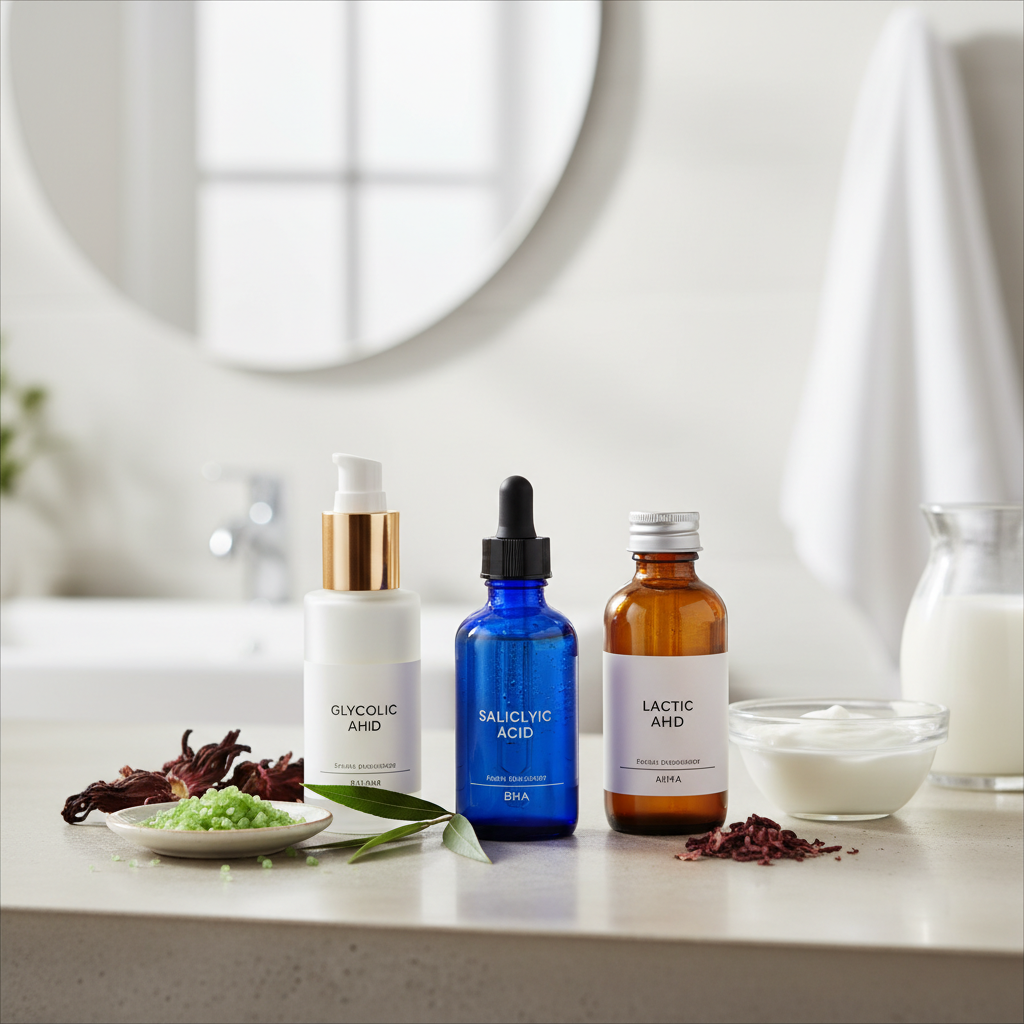
For unclogging pores and preventing breakouts in 2026, a well-chosen AHA or BHA exfoliator is your skin’s best ally. Salicylic acid (BHA) excels at penetrating oil and clearing congested pores, making it ideal for oily and acne-prone skin, while AHAs like glycolic or lactic acid work on the skin’s surface to improve texture and overall clarity, suiting a wider range of skin types, including dry or mature. Integrating these powerful actives wisely, often starting with lower concentrations and prioritizing skin barrier health, is key to achieving a clear, radiant complexion.
Introduction
In the ever-evolving landscape of skincare, the quest for clear, blemish-free skin remains a constant. For many women across the United States, the frustrating cycle of clogged pores and subsequent breakouts can feel relentless. Fortunately, advancements in dermatological science have solidified the role of Alpha Hydroxy Acids (AHAs) and Beta Hydroxy Acids (BHAs) as cornerstone ingredients in effective pore management and breakout prevention. This article will cut through the noise, providing an expert, evidence-informed guide to understanding, choosing, and safely incorporating the best AHA/BHA exfoliators into your 2026 skincare regimen.
What’s the Difference Between AHAs and BHAs, and How Do They Work?
Understanding the fundamental differences between AHAs and BHAs is crucial for selecting the right exfoliator for your skin’s unique needs. Both are chemical exfoliants, meaning they work by dissolving the bonds between dead skin cells, allowing them to shed more easily and revealing fresher, healthier skin underneath, unlike physical scrubs which can often be too harsh.
Alpha Hydroxy Acids (AHAs)
AHAs are water-soluble acids derived from sugary fruits, milk, or plants. They primarily work on the skin’s surface, helping to unglue dead skin cells and promote an even exfoliation. This action not only improves skin texture and tone but can also stimulate collagen production over time, addressing concerns like fine lines and hyperpigmentation. Common AHAs include:
- Glycolic Acid: The smallest AHA molecule, allowing for deeper penetration and often considered the most potent. Excellent for improving texture, tone, and reducing the appearance of fine lines.
- Lactic Acid: A larger molecule than glycolic, making it gentler and often better tolerated by sensitive or dry skin. It also has humectant properties, drawing moisture into the skin.
- Mandelic Acid: The largest AHA molecule, derived from almonds. Its larger size means slower, more even penetration, making it ideal for sensitive skin, rosacea-prone skin, and those with post-inflammatory hyperpigmentation.
AHAs are generally best suited for dry, sun-damaged, or mature skin types looking to improve texture, even tone, and address signs of aging. However, they can still benefit oily and combination skin by helping to clear surface congestion.
Beta Hydroxy Acids (BHAs)
BHAs are oil-soluble acids, meaning they can penetrate through sebum and into the pore lining. This unique property makes them incredibly effective at dissolving the mixture of oil and dead skin cells that clog pores and lead to blackheads, whiteheads, and acne. The most common and effective BHA is:
- Salicylic Acid: Often derived from willow bark, salicylic acid is the gold standard for treating oily and acne-prone skin. Its ability to penetrate oil and exfoliate inside the pore makes it unparalleled for decongesting, reducing inflammation, and preventing future breakouts. It’s also FDA-approved for acne treatment.
BHAs are primarily recommended for oily, combination, and acne-prone skin, particularly those struggling with blackheads, whiteheads, and inflammatory acne. Its anti-inflammatory properties also make it beneficial for redness associated with breakouts.
Which Actives Should I Look For in an Exfoliator?
While AHAs and BHAs are the stars, understanding how they interact with other key ingredients can elevate your routine. Here’s a quick guide to some common actives:
- Salicylic Acid (BHA): As mentioned, it’s oil-soluble, penetrating pores to dissolve sebum and dead skin cells, clearing congestion and reducing inflammation.
- Glycolic Acid (AHA): Water-soluble, it exfoliates the skin’s surface, improving texture, tone, and stimulating collagen production for anti-aging benefits.
- Lactic Acid (AHA): A gentler AHA that exfoliates and hydrates, making it excellent for sensitive or dry skin seeking improved texture and moisture.
- Mandelic Acid (AHA): The gentlest AHA, ideal for sensitive skin and addressing hyperpigmentation with minimal irritation.
- Niacinamide (Vitamin B3): A powerhouse ingredient that minimizes pores, reduces redness and inflammation, strengthens the skin barrier, and regulates oil production.
- Hyaluronic Acid: A potent humectant that attracts and holds significant amounts of moisture, providing hydration and plumping the skin.
- Ceramides: Lipids naturally found in the skin barrier, essential for maintaining moisture and protecting against environmental aggressors.
- Retinol/Retinal (Vitamin A derivatives): These are powerful cell communicators that accelerate cell turnover, reduce wrinkles, improve skin texture, and help clear acne. Retinal (retinaldehyde) is a newer, more potent form than retinol, converting to retinoic acid more efficiently with potentially less irritation.
- Vitamin C (Ascorbic Acid): A potent antioxidant that brightens skin, reduces hyperpigmentation, protects against environmental damage, and boosts collagen production.
- Peptides: Short chains of amino acids that signal the skin to produce more collagen, elastin, and other proteins, leading to firmer, smoother skin.
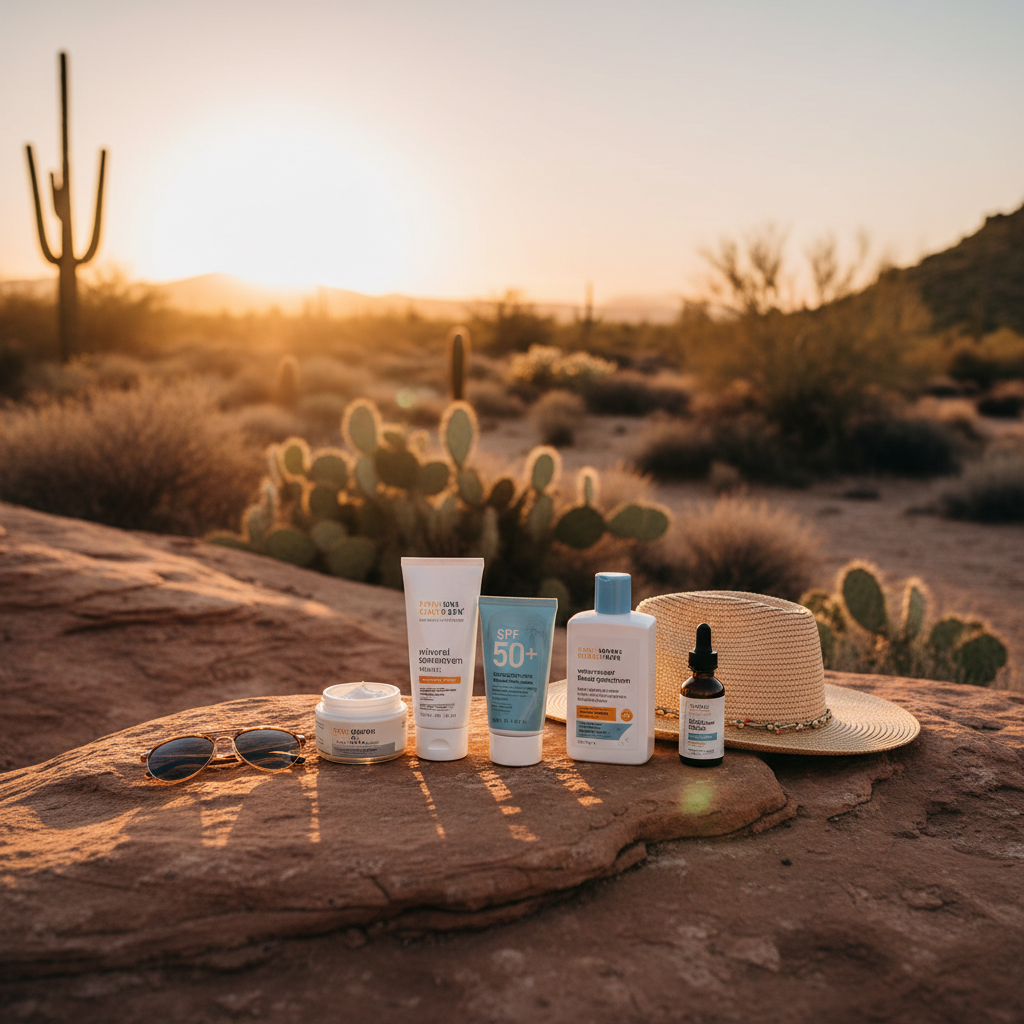
- Mineral SPF (Zinc Oxide/Titanium Dioxide): Crucial for protecting skin from UV damage, especially when using exfoliants which can increase sun sensitivity. Mineral sunscreens provide broad-spectrum protection by physically blocking UV rays.
How Can I Choose the Right AHA/BHA Product for My Skin Type?
Selecting the ideal exfoliator involves a careful assessment of your skin type, concerns, and tolerance.
Oily and Acne-Prone Skin
Recommendation: Focus on products containing Salicylic Acid (BHA), typically in concentrations of 0.5% to 2%. Look for leave-on treatments like toners or serums.
Why: Salicylic acid’s oil-solubility allows it to penetrate deep into pores, dissolving sebum and dead skin cells, which are the primary culprits behind blackheads, whiteheads, and inflammatory acne.
Combine with: Niacinamide to further regulate oil, reduce redness, and minimize the appearance of pores.
Dry and Sensitive Skin
Recommendation: Opt for gentler AHAs like Lactic Acid (5-10%) or Mandelic Acid (5-8%).
Why: These AHAs exfoliate the surface gently while also offering hydrating benefits (lactic acid) or being less irritating due to larger molecular size (mandelic acid). Avoid high concentrations of glycolic acid initially.
Combine with: Ceramides and Hyaluronic Acid to reinforce the skin barrier and ensure adequate hydration.
Combination Skin
Recommendation: You have options! You might benefit from a BHA in oilier areas (T-zone) and a gentler AHA on drier areas (cheeks), or a product with a lower concentration blend of both.
Why: Addressing the varying needs of different facial zones. A mild salicylic acid toner can be great for the T-zone, while a lactic acid serum can benefit drier patches.
Consider: A product that intelligently combines both at lower concentrations, or alternating days between an AHA and a BHA.
Mature Skin
Recommendation: Glycolic Acid (5-10%) or Lactic Acid (8-12%) are excellent choices for improving texture, reducing fine lines, and boosting collagen.
Why: AHAs are particularly effective at addressing signs of aging by promoting cell turnover and stimulating collagen.
Combine with: Retinal or Retinol (used on separate nights), Peptides, and Vitamin C for comprehensive anti-aging benefits. Always follow with a broad-spectrum mineral SPF.
What Are the Best Ways to Incorporate AHAs/BHAs into My Routine?
Integration is key to maximizing benefits and minimizing irritation. Remember the 2026 emphasis on skin barrier health – slow and steady wins the race.
- Start Low and Slow: Begin with lower concentrations (e.g., 5% AHA, 0.5-1% BHA) and use 2-3 times a week. Gradually increase frequency or concentration as your skin tolerates it.
- Patch Test: Always test a new product on a small, inconspicuous area of skin (like behind the ear or on the jawline) for a few days before full facial application.
- Application Order: Apply exfoliants after cleansing and toning, but before serums, moisturizers, and SPF. Allow a few minutes for the product to absorb.
- Evening Application is Preferred: AHAs and BHAs can increase sun sensitivity. Applying them at night minimizes sun exposure immediately after use.
- Always Use SPF: This is non-negotiable. Chemical exfoliants make your skin more vulnerable to UV damage. Use a broad-spectrum mineral SPF 30+ every single day, and be diligent about reapplication, especially with the growing understanding of SPF degradation throughout the day.
- Listen to Your Skin: Redness, excessive dryness, peeling, or stinging are signs of irritation. Reduce frequency or switch to a gentler product.
- Avoid Over-Exfoliation: More isn’t always better. Over-exfoliation compromises your skin barrier, leading to increased sensitivity, breakouts, and dehydration. Alternate nights with other actives like Retinal/Retinol or Niacinamide, rather than layering them all at once.
Drugstore vs. Prestige: Where Can I Find Effective Products?
The good news for US consumers in 2026 is that effective AHA/BHA exfoliators are available across all price points, from accessible drugstore brands to high-end prestige lines. The efficacy largely depends on the active ingredients, their concentrations, and the formulation’s stability, not necessarily the price tag.
“Dermatologist consensus confirms that what matters most are the active ingredients and a well-formulated product, not solely the brand name. Many drugstore brands now offer formulations with concentrations of FDA-approved actives that are just as effective as their prestige counterparts.”
Drugstore brands often excel at delivering straightforward, single-active formulations (e.g., a simple salicylic acid toner or a glycolic acid serum) at excellent value. Prestige brands might offer more complex formulations, combining multiple actives with luxurious textures and advanced delivery systems, but these aren’t always necessary for fundamental exfoliation. Look for transparent ingredient lists and appropriate concentrations for your needs.
Comparing Popular AHA/BHA Product Types
Here’s a look at different product formats and generalized examples, emphasizing their typical use and target audience. Note: These are illustrative examples of product types and typical formulations, not specific brand recommendations or exact product names.
| Product Type | Key Actives & Concentration (Typical) | Best For | Pros | Cons |
|---|---|---|---|---|
| Daily Exfoliating Toner | Glycolic Acid (5-7%), Lactic Acid (5%), or Salicylic Acid (0.5-2%) | Oily, Combination, Acne-Prone, or those needing mild daily exfoliation. | Easy to incorporate, provides consistent exfoliation, can be hydrating. | Can be drying if overused; some formulations may contain alcohol. |
| Targeted Serum/Treatment | Glycolic Acid (8-10%), Lactic Acid (10-12%), Salicylic Acid (2%), or a blend. Often with Niacinamide or HA. | All skin types, depending on active. For focused concerns like texture, breakouts, hyperpigmentation. | Potent, targeted action; often contains beneficial supporting ingredients. | Higher concentrations require careful introduction; can be more expensive. |
| Wash-Off Cleanser | Salicylic Acid (0.5-2%) or Glycolic/Lactic Acid (2-5%) | Oily, Acne-Prone (BHA); Dull, Uneven Texture (AHA). | Gentle introduction to actives; good for sensitive skin or beginners. | Contact time is limited, so less potent than leave-on products. |
| Weekly Resurfacing Mask | Glycolic Acid (10-20%), Lactic Acid (10-15%), or Salicylic Acid (2-5%) | All skin types, for an intensive boost or occasional deep exfoliation. | Delivers immediate radiance, effectively clears congestion with higher concentrations. | Can be irritating if left on too long; not for daily use. |
Frequently Asked Questions
Can I use AHAs/BHAs with Retinol or Retinal?
Yes, but with caution and strategic timing. Using AHAs/BHAs and retinoids together can be highly effective for comprehensive skin renewal, but it also increases the risk of irritation. A common dermatologist-recommended approach in 2026 is to alternate them: use your AHA/BHA exfoliator on one night and your retinol/retinal product on another. If your skin is very resilient, some individuals can use an AHA/BHA in the morning (always followed by SPF) and a retinoid at night, but this requires careful monitoring and is generally not recommended for beginners or sensitive skin.
What does “skin barrier focus” mean, and how does it relate to exfoliation?
The “skin barrier focus” trend highlights the importance of maintaining the outermost layer of your skin, the stratum corneum, which acts as a protective shield against environmental aggressors and prevents moisture loss. Over-exfoliation or using harsh products can compromise this barrier, leading to increased sensitivity, redness, dryness, and even breakouts. When using AHAs/BHAs, it’s crucial to start slowly, choose appropriate concentrations, and incorporate barrier-supporting ingredients like ceramides, niacinamide, and hyaluronic acid into your routine to prevent damage and ensure healthy, resilient skin.
How long does it take to see results from AHA/BHA exfoliators?
While some immediate improvements in skin smoothness and radiance might be noticeable within a few days or weeks, significant changes, especially concerning pore unclogging and breakout prevention, typically take 4-6 weeks of consistent use. For concerns like hyperpigmentation or fine lines, results can take several months. Patience and consistency, combined with proper sun protection, are vital for achieving the best outcomes.
Are there any ingredients I should absolutely avoid combining with AHAs/BHAs?
Generally, avoid layering multiple strong exfoliants or potentially irritating actives on the same night. This includes using a high-strength AHA/BHA product immediately after another strong acid toner, or combining them with certain forms of Vitamin C (especially L-ascorbic acid) if you have sensitive skin, as the pH difference can sometimes reduce efficacy or increase irritation. Always listen to your skin, and if in doubt, alternate active ingredients rather than layering them.
What’s the deal with “dermal-grade at-home tools” and how do they fit with AHA/BHA use?
The 2026 skincare landscape sees an increased interest in at-home tools that mimic professional treatments, such as LED masks, microcurrent devices, and even gentle microdermabrasion tools. While these can complement an AHA/BHA routine by enhancing product absorption or promoting overall skin health, caution is paramount. Never use an AHA/BHA exfoliator immediately before or after an abrasive tool (like dermaplaning or microdermabrasion) to avoid over-exfoliation and irritation. Always consult product instructions and consider consulting a dermatologist before combining potent topicals with advanced at-home devices.
Conclusion
The journey to clear, breakout-free skin in 2026 is made significantly smoother with the intelligent use of AHA and BHA exfoliators. By understanding the unique properties of these powerful acids, matching them to your specific skin type and concerns, and integrating them thoughtfully into a barrier-supportive routine, you can effectively unclog pores, prevent breakouts, and reveal a truly radiant complexion. Remember to start gently, prioritize sun protection, and always listen to what your skin is telling you – it’s the ultimate guide to a healthy, glowing appearance.