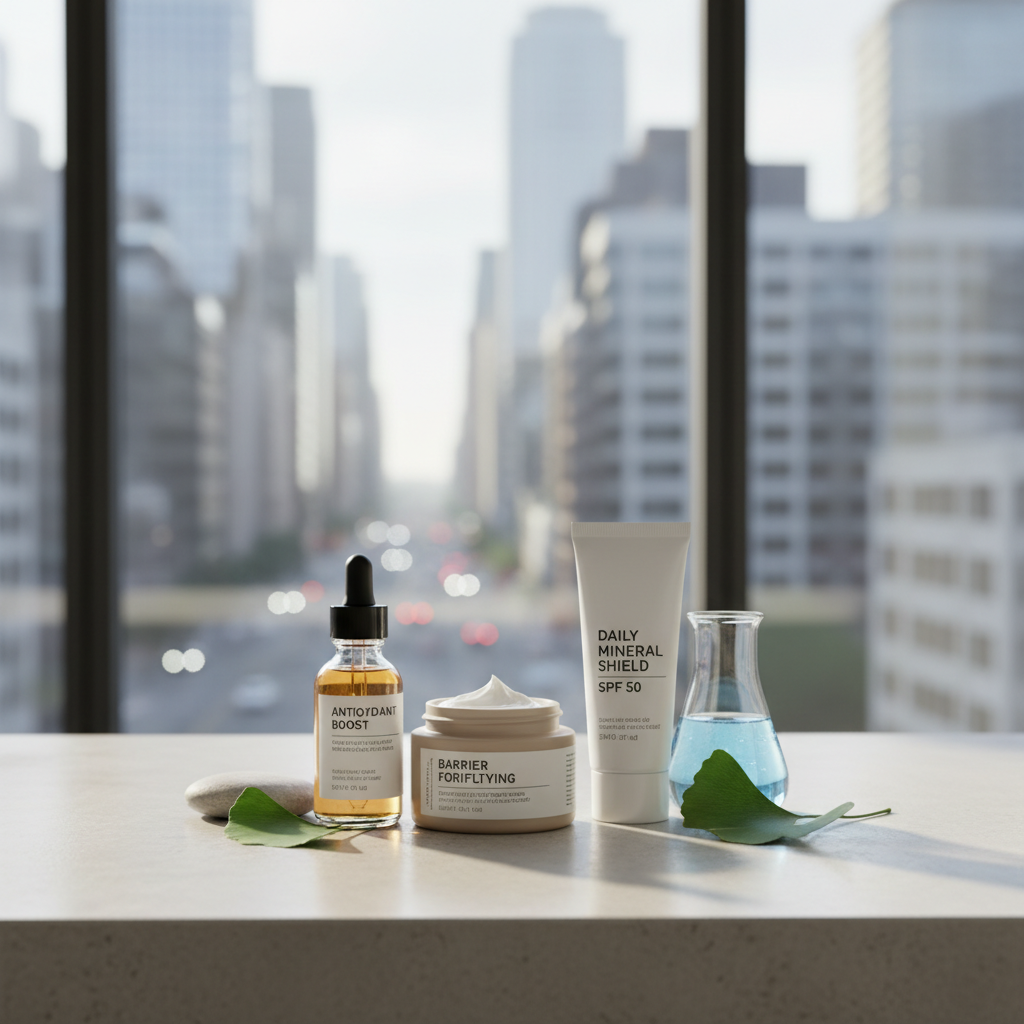
Papules are small, red, tender bumps without a head, while pustules are similar but contain visible pus. Treating them safely involves a combination of gentle skincare with FDA-approved active ingredients like salicylic acid or benzoyl peroxide, maintaining a robust skin barrier, and knowing when to seek professional dermatological advice for more persistent or severe cases.
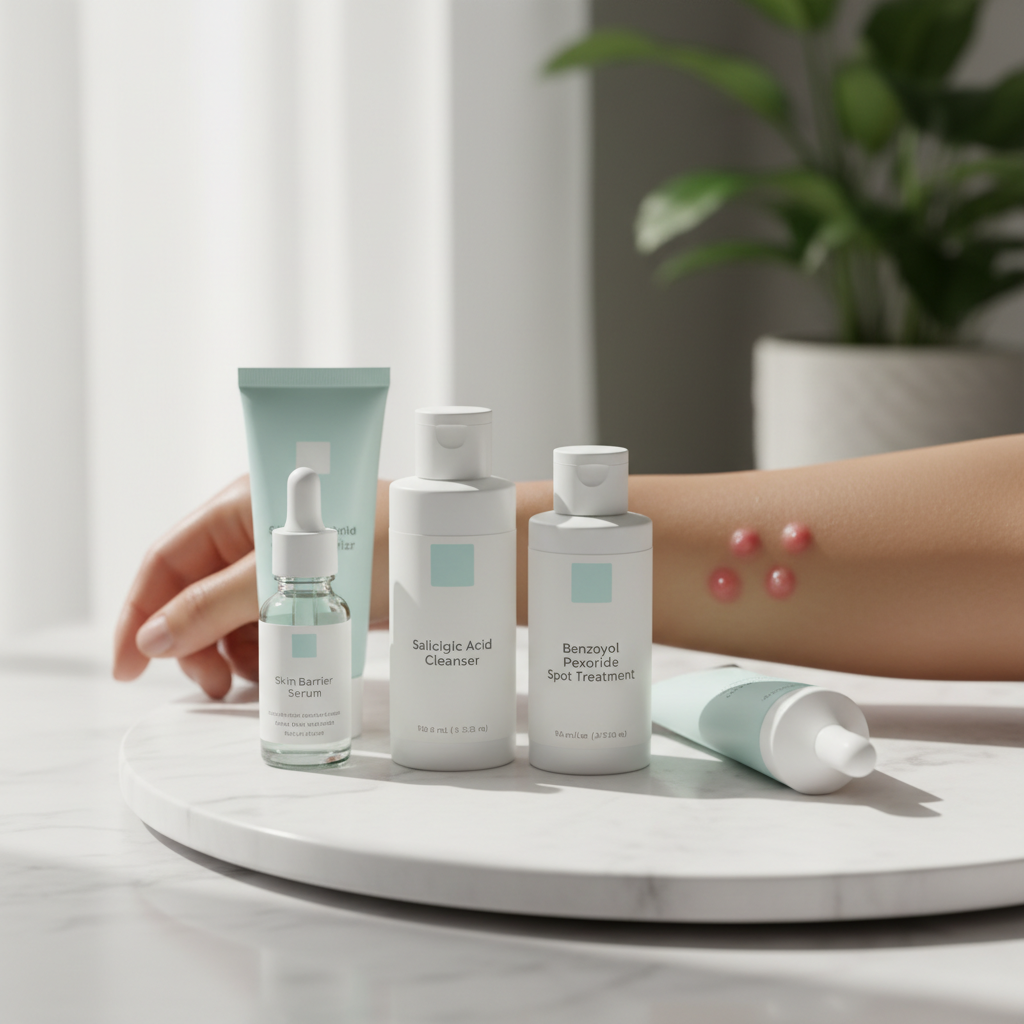
Introduction
Navigating the world of skincare can feel overwhelming, especially when unwelcome guests like papules and pustules decide to make an appearance. These common forms of acne can be frustrating, but understanding what they are, why they form, and how to treat them effectively and safely is the first step towards clearer, healthier skin. In 2026, with an abundance of information and products, discerning evidence-based strategies from fleeting trends is more crucial than ever.
What Exactly Are Papules and Pustules?
While often grouped under the general term “acne,” papules and pustules are distinct types of inflammatory blemishes, each with its own characteristics. Understanding these differences is key to choosing the right treatment strategy.
Papules: The Solid Bumps
Papules are small, raised, red or pink bumps on the skin. They are typically firm to the touch and don’t have a visible “head” of pus. Essentially, a papule is an inflamed hair follicle that has become clogged with excess oil (sebum) and dead skin cells, creating an environment where bacteria (specifically P. acnes, now often referred to as C. acnes) can thrive and trigger an inflammatory response. They can be tender or sensitive, but generally aren’t painful unless picked at.
Pustules: The Pus-Filled Bumps
Pustules are very similar to papules but with one key difference: they contain visible pus. They appear as small, raised bumps with a white or yellow center, surrounded by red, inflamed skin. This pus is a collection of dead white blood cells, bacteria, and cellular debris, indicating a more advanced stage of inflammation within the clogged pore. Pustules are often what people refer to as “pimples” or “zits” and can be tempting to squeeze, a habit that often leads to further inflammation, infection, and potential scarring.
Why Do They Form? The Underlying Causes
Both papules and pustules stem from the same core issues that drive most forms of acne:
- Excess Sebum Production: Overactive sebaceous glands, often influenced by hormones (androgens), produce too much oil, which can clog pores.
- Dead Skin Cell Accumulation: Normal skin cell turnover can go awry, leading to an excessive buildup of dead cells that mix with sebum to form a plug.
- Bacterial Activity: The presence of C. acnes bacteria within clogged pores, feeding on sebum, can multiply rapidly and trigger an inflammatory immune response.
- Inflammation: The body’s natural reaction to bacterial presence and irritation within the follicle leads to the redness, swelling, and tenderness characteristic of papules and pustules.
- Hormonal Fluctuations: Puberty, menstrual cycles, pregnancy, and certain medical conditions can all impact hormone levels, leading to increased sebum production.
- Genetics: If your parents experienced acne, you’re more likely to as well.
- Stress: While not a direct cause, stress can exacerbate acne by triggering hormonal responses that increase oil production.
- Diet: While direct links are still debated, some evidence suggests high glycemic index foods and dairy might worsen acne for some individuals.
Is There a Difference Between Papules, Pustules, and Other Blemishes?
Yes, it’s important to distinguish papules and pustules from other types of acne lesions, as treatment approaches can vary:
- Blackheads (Open Comedones): Small, dark spots on the skin caused by clogged pores where the surface of the plug is exposed to air and oxidizes, turning dark. They are non-inflammatory.
- Whiteheads (Closed Comedones): Small, flesh-colored or whitish bumps caused by clogged pores that are completely covered by a layer of skin. They are also non-inflammatory.
- Nodules: Large, solid, painful lumps deep within the skin. They are a more severe form of inflammatory acne than papules and pustules and can lead to significant scarring.
- Cysts: Large, soft, painful, pus-filled lesions deep under the skin, resembling boils. Cysts are the most severe form of acne and almost always require professional medical intervention to prevent scarring.
Papules and pustules fall into the category of inflammatory acne, but they are generally less severe and less deeply rooted than nodules and cysts.
How Can I Safely Treat Papules and Pustules at Home?
For mild to moderate papules and pustules, a consistent and gentle at-home skincare routine focusing on key active ingredients can be highly effective. The 2026 approach emphasizes supporting the skin barrier while targeting blemishes.
Key Active Ingredients to Look For
When selecting products, look for formulations that include these dermatologist-recommended ingredients:
- Salicylic Acid (BHA): A beta-hydroxy acid that is oil-soluble, allowing it to penetrate into pores to exfoliate dead skin cells and dissolve sebum. It helps prevent new clogs and reduces existing ones.
- Benzoyl Peroxide: An FDA-approved ingredient that works by killing acne-causing bacteria (C. acnes) and helping to shed dead skin cells. It comes in various strengths (2.5% to 10%) and can be drying, so start low and moisturize well.
- Retinoids (Retinol, Retinaldehyde, Adapalene): These vitamin A derivatives promote faster skin cell turnover, preventing dead cells from clogging pores and reducing inflammation. Retinaldehyde (Retinal) is gaining traction in 2026 for being a more potent precursor to retinoic acid than retinol, offering faster results with potentially less irritation for some. Adapalene is an over-the-counter retinoid often recommended by dermatologists for acne.
- Niacinamide (Vitamin B3): A powerhouse ingredient that reduces inflammation, minimizes redness, improves skin barrier function, and can help regulate oil production. It’s excellent for sensitive, acne-prone skin.
- Azelaic Acid: A naturally occurring acid with antibacterial and anti-inflammatory properties. It helps unclog pores, reduce redness, and can even fade post-inflammatory hyperpigmentation (PIH). It’s gentle enough for sensitive skin and pregnant individuals.
Gentle Skincare Practices for Inflamed Skin
Beyond active ingredients, your daily routine and habits play a critical role:
- Cleanse Gently: Use a mild, pH-balanced cleanser twice daily. Avoid harsh scrubbing or abrasive tools, which can irritate and worsen inflammation.
- Moisturize Regularly: Even oily or acne-prone skin needs hydration. Choose a non-comedogenic, oil-free moisturizer to support your skin barrier, especially if using drying actives like benzoyl peroxide or retinoids. Ingredients like ceramides and hyaluronic acid are excellent for barrier support.
- Sun Protection is Non-Negotiable: Many acne treatments increase sun sensitivity, and UV exposure can worsen post-inflammatory hyperpigmentation. Apply a broad-spectrum mineral SPF 30 or higher every morning, and reapply throughout the day, especially if active outdoors. The science of sunscreen reapplication in 2026 emphasizes consistency over perfection.
- Hands Off: Resist the urge to pick, pop, or squeeze papules and pustules. This can push bacteria deeper, increase inflammation, lead to infection, and significantly raise the risk of scarring and dark spots.
- Be Patient and Consistent: Skincare results take time. Stick with a new routine for at least 6-8 weeks before evaluating its effectiveness.
When Should I See a Dermatologist for Papules and Pustules?
While at-home treatments are effective for many, there are clear signs it’s time to consult a board-certified dermatologist:
- Persistent Breakouts: If your acne doesn’t improve after 2-3 months of consistent over-the-counter treatment.
- Severe or Deep Lesions: If you’re experiencing numerous papules, pustules, or developing painful nodules or cysts.
- Scarring: If you notice post-inflammatory hyperpigmentation (dark spots) or textural scarring (ice pick, boxcar, rolling scars) forming.
- Pain and Discomfort: If your acne is significantly painful or impacts your quality of life.
- Sudden Onset Adult Acne: Especially if accompanied by other symptoms, as it might indicate an underlying hormonal imbalance.
Professional Treatments and Prescriptions
A dermatologist can offer stronger, prescription-strength treatments:
- Topical Retinoids: Stronger versions like Tretinoin (Retin-A) or Tazarotene.
- Topical Antibiotics: Clindamycin or Erythromycin, often combined with benzoyl peroxide to prevent bacterial resistance.
- Oral Antibiotics: Tetracyclines (e.g., Doxycycline, Minocycline) to reduce inflammation and kill bacteria, typically for a limited course.
- Oral Contraceptives: For women, certain birth control pills can help regulate hormones and reduce acne.
- Spironolactone: An oral medication that can help with hormonal acne by blocking androgen receptors.
- Isotretinoin (Accutane): A powerful oral retinoid reserved for severe, persistent, or scarring acne, offering a high chance of long-term remission.
- In-Office Procedures: Chemical peels, light therapy (like blue light), or laser treatments can complement topical and oral medications.
Building Your Anti-Blemish Skincare Routine: A 2026 Perspective
A well-structured routine is your best defense. In 2026, the emphasis is on synergy, skin barrier health, and smart product layering. Consider a multi-step approach tailored to your skin’s needs.
| Routine Focus | Morning Steps | Evening Steps | Key Actives & Benefits |
|---|---|---|---|
| Drugstore Daily Care | Gentle Cleanser, Niacinamide Serum, Oil-Free Moisturizer, Mineral SPF 30+ | Gentle Cleanser, Salicylic Acid Treatment (spot or whole face), Oil-Free Moisturizer | Salicylic Acid: Exfoliates pores. Niacinamide: Reduces inflammation, supports barrier. Mineral SPF: Protects sensitised skin. |
| Sensitive Skin Barrier | Hydrating Cleanser, Ceramide Serum, Calming Moisturizer, Mineral SPF 30+ | Hydrating Cleanser, Azelaic Acid Serum, Calming Moisturizer with Peptides | Azelaic Acid: Anti-inflammatory, gentle exfoliant. Ceramides & Peptides: Strengthen skin barrier, reduce irritation. |
| Targeted Prestige Treatment | Gentle Cleanser, Vitamin C Serum, Lightweight Hydrator, Mineral SPF 50+ | Gentle Cleanser, Retinal Serum (or Adapalene), Richer Moisturizer with Hyaluronic Acid | Retinal: Potent cell turnover. Vitamin C: Antioxidant, brightens. Hyaluronic Acid: Deep hydration, plumps. |
| Advanced Acne Management | Salicylic Acid Cleanser, Niacinamide Serum, Lightweight Moisturizer, Mineral SPF 50+ | Gentle Cleanser, Benzoyl Peroxide Spot Treatment, Prescription Topical Retinoid (if applicable), Hydrating Moisturizer | Benzoyl Peroxide: Kills bacteria. Topical Retinoid: Prevents clogs, promotes turnover. Niacinamide: Reduces redness. |
Practical Tips for Managing Breakouts:
- Patch Test New Products: Always test a new product on a small area of skin before applying it to your entire face to check for irritation.
- Clean Your Tools: Regularly clean makeup brushes, sponges, and anything else that touches your face to prevent bacterial transfer.
- Change Pillowcases: Swap out your pillowcase every few days to minimize contact with oil, dirt, and bacteria.
- Stay Hydrated: Drinking plenty of water supports overall skin health and function.
- Manage Stress: Practice stress-reducing techniques like meditation, yoga, or spending time in nature, as stress can worsen acne.
- Consider Diet: While not a universal trigger, pay attention to whether certain foods (like high glycemic foods or dairy) seem to exacerbate your breakouts.
- Don’t Over-Exfoliate: Too much exfoliation can damage your skin barrier and worsen inflammation. Stick to 2-3 times a week for chemical exfoliants unless otherwise directed.
Addressing Common Concerns: Skin Types and Sensitivities
Your skin type heavily influences how you approach papules and pustules:
- Oily Skin: Can often tolerate stronger actives like higher concentrations of salicylic acid or benzoyl peroxide. Focus on oil control without stripping.
- Dry Skin: Needs a more gentle approach. Opt for lower concentrations of actives, focus on hydration, and prioritize skin barrier support with ceramides and hyaluronic acid. Azelaic acid or niacinamide might be better tolerated than stronger retinoids.
- Combination Skin: Requires a balanced approach, potentially using targeted treatments for oilier zones and more hydrating products for drier areas.
- Sensitive Skin: Prioritize gentle, fragrance-free formulas. Introduce new actives slowly and at lower concentrations. Niacinamide and azelaic acid are often well-tolerated.
- Mature Skin: May experience “adult acne” alongside concerns like fine lines. Retinoids can be beneficial for both, but focus on hydration and barrier support to counteract potential dryness. Peptides can also support skin health.
The “dermal-grade at-home tools” trend of 2026, such as LED masks or microcurrent devices, can be used as adjuncts to a solid routine, but they are not primary treatments for active papules and pustules. Always consult product instructions and your dermatologist before incorporating new tools, especially if your skin is inflamed.
The Role of Lifestyle in Managing Breakouts
Beyond topical treatments, lifestyle choices significantly impact skin health. A balanced diet rich in antioxidants, adequate sleep, and effective stress management can all contribute to reducing inflammation throughout the body, including the skin. While specific “acne diets” are often debated, focusing on whole foods and minimizing processed sugars and excessive dairy can be beneficial for some.
Frequently Asked Questions
Can I use Vitamin C with Salicylic Acid or Retinol?
Yes, but with caution. Vitamin C is an antioxidant that brightens and protects, while salicylic acid exfoliates and retinol promotes cell turnover. In the morning, you can typically use a Vitamin C serum followed by SPF. In the evening, use your salicylic acid or retinol product. If using both salicylic acid and retinol, alternate them on different nights to prevent irritation, or use salicylic acid in the morning and retinol at night. Always listen to your skin.
What about post-inflammatory hyperpigmentation (PIH) after papules and pustules heal?
PIH, or dark spots, is common after inflammatory acne. Ingredients like niacinamide, azelaic acid, vitamin C, and alpha arbutin can help fade these marks. Consistent use of broad-spectrum SPF is crucial to prevent them from darkening further. For stubborn spots, a dermatologist can offer stronger treatments like prescription retinoids or chemical peels.
Is it true that toothpaste can dry out a pimple?
No, this is a pervasive myth. Toothpaste contains ingredients like fluoride, baking soda, and menthol, which are too harsh for facial skin. They can cause significant irritation, redness, dryness, and even chemical burns, worsening the blemish and potentially leading to more inflammation or scarring. Stick to skincare products designed for acne.
How long does it take for papules and pustules to go away with treatment?
Individual blemishes typically resolve within a few days to a week with consistent spot treatment. However, seeing a significant overall improvement in the frequency and severity of new breakouts from a new skincare routine usually takes 6-8 weeks of consistent use. Be patient and consistent with your chosen regimen.
Should I avoid makeup if I have papules and pustules?
You don’t necessarily have to avoid makeup, but choose wisely. Opt for non-comedogenic, oil-free, and fragrance-free foundations and concealers. Mineral makeup can be a good option. Ensure you cleanse your face thoroughly every night to remove all traces of makeup, and regularly clean your makeup applicators to prevent bacterial buildup.
Conclusion
Managing papules and pustules safely and effectively involves a blend of understanding your skin, utilizing evidence-based active ingredients, maintaining a supportive skincare routine focused on barrier health, and knowing when to seek professional dermatological guidance. With consistency, patience, and the right approach, clearer, healthier skin is an achievable goal.