Absolutely, neck skincare is undoubtedly worth the investment in 2026, especially for aging skin. Neglecting this delicate area can create a striking contrast with a well-cared-for face, making targeted products and consistent routines essential for maintaining a cohesive, youthful appearance and addressing concerns like laxity, lines, and discoloration.
Introduction
In the evolving landscape of 2026 skincare, where facial routines have become sophisticated and personalized, the neck often remains an overlooked frontier. Yet, it’s one of the first areas to betray our age, presenting unique challenges from “tech neck” lines to sun damage and sagging. So, is giving your neck dedicated attention truly necessary, or can your facial products do double duty?
Why Does My Neck Show Age So Quickly?
The skin on our neck isn’t just a continuation of our face; it’s fundamentally different and inherently more vulnerable to the visible signs of aging. Understanding these distinctions is the first step toward effective care.
Thinner Skin and Fewer Oil Glands
Compared to the face, the neck area has significantly thinner skin, making it more delicate and prone to showing fine lines and wrinkles earlier. It also possesses fewer sebaceous glands, which means less natural oil production. This lack of natural lubrication contributes to dryness and makes the skin less resilient, more susceptible to environmental aggressors, and quicker to lose elasticity.
Constant Movement and “Tech Neck”
From turning our heads to looking down at screens, our necks are in almost constant motion. This repetitive creasing and folding, exacerbated by modern habits like prolonged phone use (the infamous “tech neck”), can lead to horizontal lines becoming etched into the skin over time. These lines are often dynamic at first but can become static wrinkles without proper care.
Cumulative Sun Damage
Like the face, the neck is frequently exposed to the sun’s harmful UV rays, yet it’s often forgotten during sunscreen application. Years of cumulative sun exposure break down collagen and elastin, leading to uneven skin tone, sunspots, and a loss of firmness that manifests as sagging and a crepey texture. This photodamage is a primary driver of premature aging in the area.
Which Ingredients Actually Work for Neck Rejuvenation?
Not all ingredients are created equal when it comes to the specific concerns of the neck. Focusing on a targeted regimen with proven actives is crucial for visible improvement.
- Retinoids (Retinol, Retinal): These vitamin A derivatives are gold standards for anti-aging. They accelerate cell turnover, stimulate collagen production, and improve skin texture and tone. In 2026, many formulations feature retinal, a more potent retinoid that converts to retinoic acid faster than retinol, offering quicker results with potentially less irritation for some.
- Peptides: Small chains of amino acids, peptides act as messengers in the skin, signaling cells to produce more collagen and elastin. Different peptides target various concerns, from firmness to wrinkle reduction, making them excellent for boosting skin’s structural integrity.
- Hyaluronic Acid (HA): A powerful humectant, HA attracts and holds up to 1,000 times its weight in water, providing intense hydration. This plumps the skin, reducing the appearance of fine lines and improving overall suppleness, which is vital for the often-drier neck area.
- Ceramides: Essential lipids that make up a significant portion of the skin barrier, ceramides help maintain moisture and protect against environmental damage. Strengthening the skin barrier is a key focus in 2026 skincare, and ceramides are crucial for healthy, resilient neck skin.
- Vitamin C (Ascorbic Acid): A potent antioxidant, Vitamin C protects the skin from free radical damage caused by UV exposure and pollution. It also plays a crucial role in collagen synthesis and helps to brighten hyperpigmentation and even out skin tone.
- Niacinamide (Vitamin B3): This versatile ingredient offers multiple benefits, including strengthening the skin barrier, reducing inflammation, minimizing pore appearance, and improving uneven skin tone. It’s well-tolerated by most skin types, including sensitive.
- Alpha Hydroxy Acids (AHAs like Glycolic and Lactic Acid): AHAs gently exfoliate the skin’s surface, removing dead skin cells and promoting cellular renewal. This improves skin texture, reduces the appearance of fine lines, and helps to brighten dull skin, but should be used cautiously on the sensitive neck.
- Mineral SPF (Zinc Oxide, Titanium Dioxide): Non-negotiable for prevention, mineral sunscreens create a physical barrier against UVA and UVB rays. Consistent daily use is the most effective strategy against collagen breakdown, sunspots, and premature aging on the neck.
How Does a Dedicated Neck Routine Compare to Extending My Face Products?
This is a common dilemma. While extending your face products to your neck is certainly better than nothing, a dedicated approach often yields superior results due to the unique needs of the neck area.
| Approach | Pros | Cons | Best For |
|---|---|---|---|
| Extending Face Cream | Convenient, cost-effective if you already have a good face cream, ensures some level of hydration and active delivery. | Face creams may lack the specific concentrations of actives needed for neck concerns (e.g., higher peptide blends). Potentially irritating if your face cream is too strong for sensitive neck skin. | Those just starting out, maintaining minimal concerns, or on a very tight budget. |
| Dedicated Neck Cream/Serum | Formulated specifically for the neck’s thinner, drier skin. Often contains higher concentrations of targeted ingredients (peptides, specific retinoids) for firmness and elasticity. Addresses unique concerns like “tech neck” lines. | Additional product and cost. Requires consistent application as a separate step. Might still need to be layered with a general moisturizer. | Individuals with visible signs of aging on the neck, those seeking targeted improvement in firmness and texture, or with sensitive neck skin needing specialized formulas. |
| Targeted Serum + General Moisturizer (Face or Neck) | Allows for precise active delivery with a serum, followed by barrier support and hydration from a cream. Can customize serum based on specific concerns (e.g., peptide serum for firmness, retinal serum for texture). | Two steps instead of one. Requires understanding ingredient compatibility to avoid irritation. | Those with specific neck concerns who want to optimize active ingredient delivery while ensuring adequate hydration and barrier protection. |
What Are the Best Practices for Applying Neck Skincare?
Application technique and consistency are just as important as the products themselves. Adopt these habits for maximum benefit:
- Cleanse Gently: Always start with a clean neck. Use a mild, hydrating cleanser to avoid stripping the delicate skin.
- Apply to Damp Skin: For optimal absorption, apply serums and creams to slightly damp skin immediately after cleansing or showering.
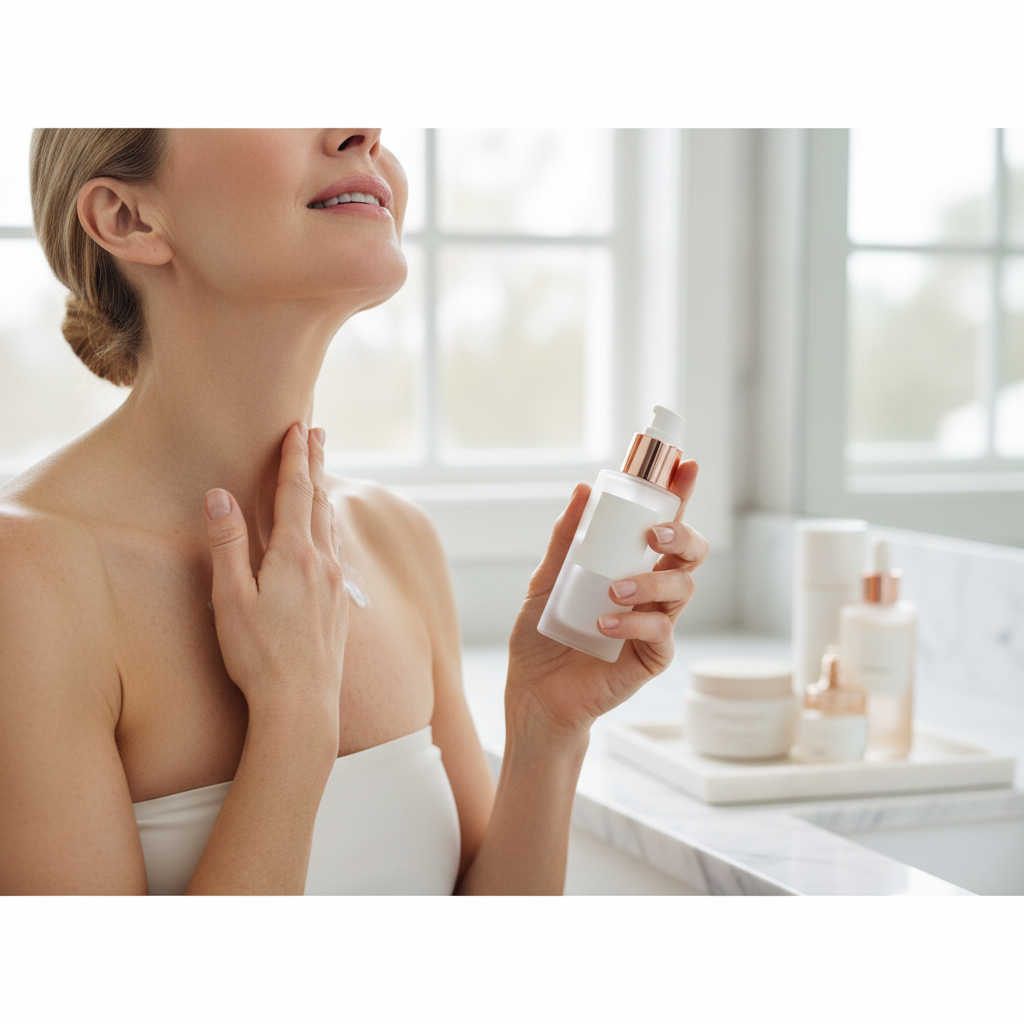
- Upward, Outward Strokes: When applying products, use gentle, upward, and outward motions from the décolletage up to the jawline. Avoid pulling down, which can contribute to sagging.
- Don’t Forget the Décolletage: The chest area (décolletage) is also prone to sun damage and signs of aging. Extend your neck skincare routine down to this area for a seamless transition.
- Consistency is Key: Like any skincare routine, results come from consistent daily use. Aim for both morning and evening applications.
- Sunscreen, Sunscreen, Sunscreen: This cannot be stressed enough. Apply a broad-spectrum mineral SPF of at least 30 every morning, and reapply throughout the day, especially if exposed to direct sun. 2026 science emphasizes the importance of frequent reapplication for sustained protection.
- Consider At-Home Tools (Wisely): Dermal-grade at-home tools like microcurrent devices or LED masks can complement topical treatments by stimulating muscles or collagen production. Always follow manufacturer instructions and consult with a dermatologist before incorporating them.
Drugstore vs. Prestige: Does Price Dictate Efficacy for Neck Products?
The skincare market is vast, with options ranging from budget-friendly drugstore finds to high-end luxury brands. For neck skincare, the price tag isn’t always the sole indicator of effectiveness.
Ingredient Concentration and Formulation
What truly matters is the concentration of active ingredients and the overall formulation. Many drugstore brands now offer products with clinically proven actives like retinol, niacinamide, and hyaluronic acid at effective concentrations. Prestige brands may invest more in unique delivery systems, more exotic ingredients, or luxurious textures and packaging, but these don’t always translate to superior efficacy for core concerns.
FDA-Approved Actives
For US consumers, FDA-approved actives are a critical benchmark. Ingredients like certain sunscreens (zinc oxide, titanium dioxide) and some acne treatments are regulated. While most anti-aging actives are cosmetic, their effectiveness is often backed by independent research and dermatologist consensus, regardless of brand tier. Look for products that clearly list their active ingredients and their concentrations where possible.
Dermatologist Consensus
Many dermatologists advocate for ingredient-focused skincare over brand loyalty. They often recommend products that are well-formulated, stable, and contain proven actives, whether they come from a drugstore aisle or a department store counter. For sensitive skin types, fragrance-free and hypoallergenic options are often prioritized, available across both price points.
Skin Types and Tolerance
Your individual skin type (oily, dry, combination, sensitive, mature) and tolerance to certain actives should guide your choice, not just the price. A well-formulated, affordable product that your skin tolerates well and that you’ll use consistently will always be more effective than an expensive product gathering dust because it irritates your skin.
When Should I Consider Professional Treatments for My Neck?
While a consistent at-home skincare routine is foundational, sometimes the visible signs of aging on the neck may require a boost from professional treatments. These can complement, but not replace, daily care.
Addressing Advanced Concerns
If you’re dealing with significant skin laxity, deep horizontal neck bands, pronounced sun damage, or a double chin that topical products can’t resolve, it might be time to consult a board-certified dermatologist or plastic surgeon. They can assess your specific concerns and recommend appropriate interventions.
Non-Invasive and Minimally Invasive Options
- Energy-Based Devices: Treatments like Ultherapy or Thermage use ultrasound or radiofrequency energy to tighten skin by stimulating collagen production deep within the skin. Results are gradual but can offer noticeable lifting.
- Lasers: Fractional lasers can improve skin texture, reduce sunspots, and stimulate collagen for a smoother, more even-toned appearance.
- Injectables: Neurotoxins (like Botox) can relax the platysma bands in the neck that contribute to a “corded” appearance. Dermal fillers can be used cautiously to soften deep horizontal lines.
- Microneedling (with or without RF): Creates micro-injuries to stimulate collagen and elastin production, improving texture and firmness. Adding radiofrequency energy enhances the tightening effect.
- Fat Reduction: Injectable treatments (like Kybella) or cryolipolysis (CoolSculpting) can reduce submental fat (double chin) for a more defined jawline.
It’s crucial to have a thorough consultation to understand the risks, benefits, and expected downtime for any professional procedure. Combining professional treatments with a diligent at-home routine often yields the most comprehensive and satisfying results.
Frequently Asked Questions
Can “tech neck” lines be reversed with skincare?
While existing “tech neck” lines can be significantly softened and their progression slowed with consistent use of retinoids, peptides, and hydrating ingredients, complete reversal of deep, static lines is challenging with topical skincare alone. Prevention through posture correction and targeted skincare is key.
How long does it take to see results from neck skincare?
Like facial skincare, patience is crucial. You might notice improved hydration and texture within a few weeks, but visible improvements in firmness, fine lines, and discoloration typically require consistent use for 3-6 months. Significant changes in deeper concerns may take longer or require professional intervention.
Is it okay to use my facial retinol on my neck?
Yes, often. Many facial retinols can be safely extended to the neck, but start slowly (2-3 times a week) as neck skin can be more sensitive. If your facial retinol is particularly potent, consider a lower-strength option or a dedicated neck product formulated for sensitivity. Always follow with a good moisturizer.
What’s the biggest mistake people make with neck skincare?
The biggest mistake is inconsistency and neglecting daily sun protection. Many start a routine but don’t stick with it, or they apply sunscreen to their face but stop at the jawline. Sun damage is a primary accelerator of neck aging, making daily, diligent SPF application non-negotiable.
Are neck masks worth the hype?
Neck masks can provide a temporary boost of hydration and deliver active ingredients, offering a pampering experience. While they can improve the immediate appearance of skin by plumping it with moisture, they are generally not a substitute for a consistent daily routine of serums and creams for long-term anti-aging benefits.
Conclusion
In 2026, the verdict is clear: dedicated neck skincare is not just a luxury, but a vital component of a holistic anti-aging strategy. By understanding the unique biology of this delicate area, leveraging proven active ingredients, and committing to a consistent routine that includes diligent sun protection, you can effectively address and prevent the visible signs of aging, ensuring your neck looks as radiant and youthful as your face.