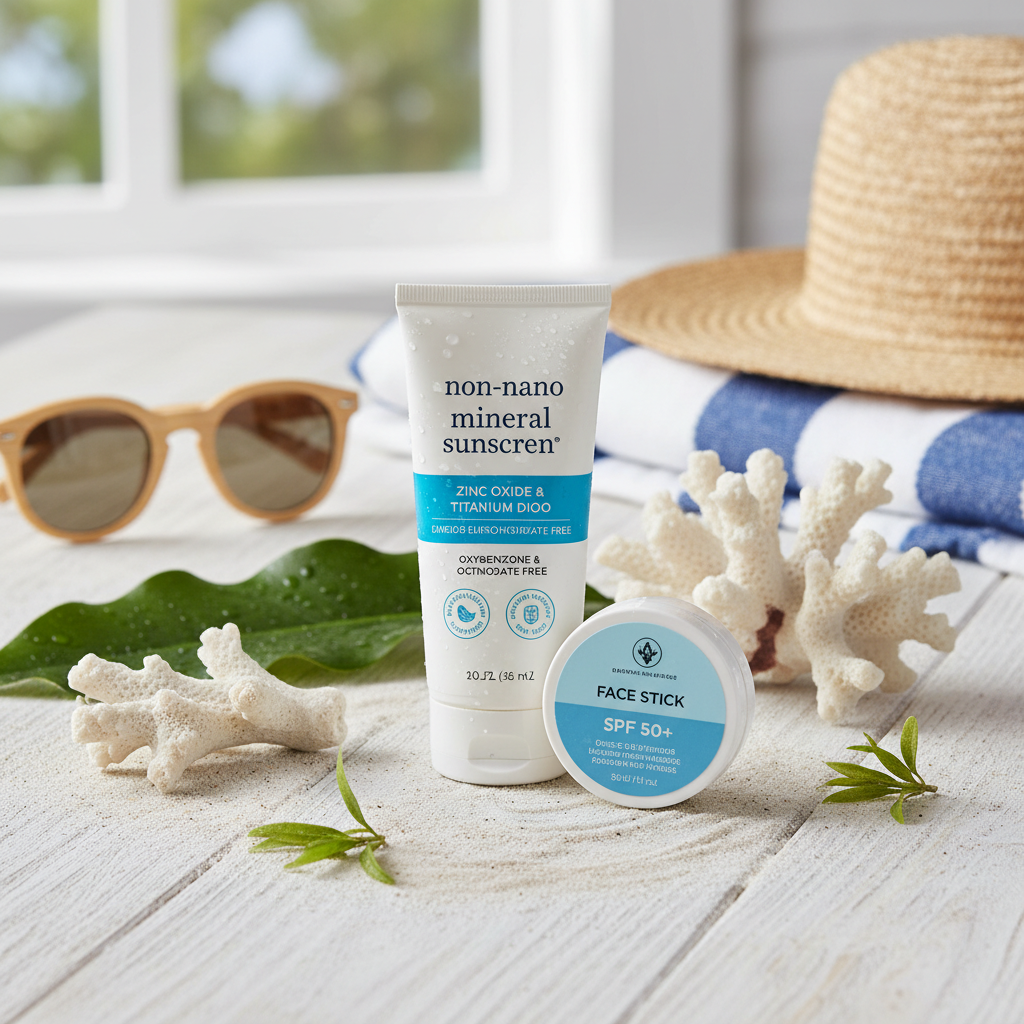
Choosing a reef-safe sunscreen for your beach vacation means prioritizing mineral-based filters like zinc oxide and titanium dioxide, which physically block UV rays without harming marine ecosystems. Look for “non-nano” formulations and products free from oxybenzone and octinoxate to protect both your skin and our precious coral reefs. Effective application and reapplication are just as crucial as the ingredients themselves for optimal sun protection.
Introduction
As we navigate 2026, the intersection of personal health and environmental responsibility has never been more prominent, especially when it comes to our skincare choices. When planning that much-anticipated beach vacation, protecting your skin from the sun’s powerful rays is non-negotiable, but so is safeguarding the delicate marine environments you’ll be enjoying. This guide will help you understand the nuances of reef-safe sunscreens, ensuring your glow doesn’t come at the ocean’s expense.
What Exactly Makes a Sunscreen “Reef-Safe,” Anyway?
The term “reef-safe” has gained significant traction, but it’s important to understand what it truly signifies beyond a marketing buzzword. At its core, a reef-safe sunscreen is formulated without chemical UV filters known to be toxic to coral reefs and marine life. Research, particularly from institutions like the Haereticus Environmental Laboratory, has identified specific ingredients that contribute to coral bleaching, DNA damage, and reproductive issues in aquatic organisms, even in small concentrations. The primary culprits are oxybenzone (benzophenone-3) and octinoxate (octyl methoxycinnamate), which are pervasive in many traditional chemical sunscreens. These chemicals can be absorbed by corals, disrupting their endocrine systems and contributing to their decline. Beyond these two, other emerging concerns include octocrylene, 4-methylbenzylidene camphor, and parabens, though the scientific consensus on their direct reef impact is still evolving compared to oxybenzone and octinoxate.
When a product claims to be reef-safe, it typically means it has excluded these harmful chemical filters. However, the term isn’t strictly regulated by the FDA, so it’s crucial to look beyond the front label and scrutinize the active ingredient list. The most reliable reef-safe options rely on mineral UV filters, which we’ll delve into next.
Which Ingredients Should I Look For (and Avoid) in Reef-Safe Sunscreens?
Understanding the active ingredients is the cornerstone of choosing an effective and truly reef-safe sunscreen. The distinction primarily lies between mineral and chemical filters.
The Good Guys: Mineral UV Filters
Mineral sunscreens utilize physical blockers that sit on top of your skin, creating a barrier that reflects and scatters UV radiation. The two FDA-approved mineral filters are:
- Zinc Oxide: This broad-spectrum filter is highly effective at blocking both UVA and UVB rays. It’s gentle on sensitive skin and is considered highly stable. In its non-nano form, it’s also deemed safe for marine life, as the particles are too large to be ingested by corals.
- Titanium Dioxide: Also a broad-spectrum filter, though slightly less effective against UVA than zinc oxide. It works similarly by reflecting UV light and is often combined with zinc oxide for enhanced protection. Like zinc oxide, its non-nano particle size is crucial for reef safety.
When selecting a mineral sunscreen, look for “non-nano zinc oxide” and “non-nano titanium dioxide” on the ingredient list. “Non-nano” means the particles are larger than 100 nanometers, preventing them from being absorbed by marine organisms or potentially penetrating deeper into your skin.
The Bad Guys: Chemical UV Filters to Avoid
These are the ingredients you want to steer clear of if reef protection is your goal:
- Oxybenzone (Benzophenone-3): This is the most widely documented culprit for coral damage, contributing to bleaching and endocrine disruption.
- Octinoxate (Octyl Methoxycinnamate): Another common chemical filter linked to coral bleaching, particularly when exposed to sunlight.
- Octocrylene: While less studied for direct coral impact than oxybenzone, some research suggests it can accumulate in marine life and degrade into potentially harmful compounds. Many experts recommend avoiding it for a truly reef-friendly choice.
- Avobenzone, Homosalate, Octisalate: While these have less direct evidence of coral harm compared to oxybenzone/octinoxate, they are still chemical filters. For the strictest interpretation of “reef-safe,” many brands exclude them. However, they are FDA-approved and generally considered safe for human use.
How Do Mineral Sunscreens Compare to Chemical Sunscreens for Efficacy and Feel?
The perception of mineral sunscreens has evolved dramatically, thanks to advancements in formulation. Gone are the days when a thick, pasty white cast was inevitable. Today’s mineral sunscreens offer sophisticated textures and finishes.
Efficacy: Broad-Spectrum Protection
Both mineral and modern chemical sunscreens can provide broad-spectrum protection, meaning they shield against both UVA (aging) and UVB (burning) rays. The key is to look for an SPF of 30 or higher and the “Broad Spectrum” label on the packaging. Zinc oxide is particularly effective across the entire UV spectrum, making it a powerful defender. Chemical sunscreens achieve broad-spectrum protection by combining several different filters, each targeting specific wavelengths.
Feel and Finish: Addressing the White Cast
This is where mineral sunscreens have seen the most innovation. Traditionally, the fine white powder of zinc oxide and titanium dioxide would leave a noticeable white residue, especially on darker skin tones. However, formulators now use:
- Micronized mineral particles: While still non-nano, these particles are smaller than older formulations, allowing them to spread more evenly and reduce the visible white cast.
- Tinted formulas: Many reef-safe mineral sunscreens now come with a subtle tint, often derived from iron oxides, which helps to counteract the white cast and can even out skin tone, making them a great base for makeup.
- Emollient bases: Modern formulas are often suspended in hydrating bases containing ingredients like hyaluronic acid or ceramides, improving spreadability and feel, leaving a dewy or satin finish rather than a chalky one.
Chemical sunscreens typically absorb into the skin, making them feel lighter and more invisible. However, they can sometimes cause irritation for sensitive skin types, a concern less common with mineral filters.
Reapplication Science
Regardless of whether you choose mineral or chemical, the science of reapplication remains paramount. Sunscreen efficacy diminishes over time due to sweat, water, and simple degradation. The 2026 consensus reinforces the recommendation to reapply every two hours, or immediately after swimming or excessive sweating. For mineral sunscreens, this means reapplying that physical barrier. The good news is that many newer mineral formulas are designed to layer beautifully without pilling or feeling heavy.
Which Reef-Safe Sunscreen Formulas Are Best for Different Skin Types?
Finding the right reef-safe sunscreen means considering your unique skin needs. Here’s a breakdown:
Oily or Acne-Prone Skin
Look for lightweight, non-comedogenic formulas. Gels or fluid lotions tend to be best. Ingredients like niacinamide can help regulate oil production and reduce inflammation, making it a great addition to your sunscreen or post-sun routine. Some mineral sunscreens now come with a matte finish, which is excellent for controlling shine. Avoid heavy creams or oil-based formulations.
Dry Skin
Hydration is key. Seek out cream-based mineral sunscreens infused with moisturizing ingredients such as hyaluronic acid, ceramides, or glycerin. These will help to lock in moisture and prevent the sunscreen from feeling tight or chalky. A dewy finish can also be beneficial for dry skin, giving it a healthy glow.
Sensitive Skin
Mineral sunscreens are generally the top recommendation for sensitive skin because zinc oxide and titanium dioxide are inert and less likely to cause irritation compared to chemical filters. Opt for fragrance-free, dye-free, and alcohol-free formulas. Look for products specifically labeled “for sensitive skin” or “dermatologist tested.”
Combination Skin
This skin type benefits from balanced formulations. A lightweight lotion or a tinted mineral sunscreen can work well. If your T-zone is oily and cheeks are dry, you might consider a slightly richer formula for the dryer areas and ensure the product is non-comedogenic to prevent breakouts in the oilier zones.
Mature Skin
Mature skin often benefits from hydrating, antioxidant-rich formulas. Look for mineral sunscreens that include ingredients like Vitamin C (an antioxidant that brightens and protects against environmental damage) or peptides, which can support collagen production. Tinted formulas can also help to even out skin tone and reduce the appearance of fine lines, offering a more youthful complexion.
What Are the Latest Advancements in Reef-Safe Sunscreens and Application?
The skincare landscape in 2026 is buzzing with innovation, and reef-safe sunscreens are no exception. Brands are responding to consumer demand for high performance, pleasant textures, and eco-consciousness.
Tinted Mineral Formulas: The New Everyday Essential
Tinted mineral sunscreens have become a staple, moving beyond just beach use to everyday wear. Formulations now offer a wider range of shades, often using iron oxides to not only neutralize the white cast but also provide a subtle blurring effect and blue light protection. This trend aligns with the “skinimalism” movement, where a single product can offer sun protection, light coverage, and skincare benefits.
Invisible Finishes and Innovative Textures
The “white cast” concern is rapidly becoming a relic of the past. New milling techniques for zinc oxide and titanium dioxide particles, combined with advanced emulsifiers and emollients (like squalane or plant-derived oils), result in mineral sunscreens that melt into the skin with minimal effort. You’ll find serums, fluid lotions, and even whipped textures that feel luxurious and leave a natural finish.
Sunscreen Sticks and Powders for On-the-Go Reapplication
With the heightened awareness around reapplication science, convenient formats are key. Reef-safe sunscreen sticks offer mess-free, targeted application for the face, ears, and neck, while mineral powder sunscreens provide a quick way to touch up over makeup without disrupting your look. These formats are perfect for keeping your skin protected throughout a long beach day without fuss.
Skin Barrier Focus
The 2026 skincare ethos heavily emphasizes skin barrier health. Many reef-safe sunscreens are now formulated with barrier-supporting ingredients like ceramides, cholesterol, and fatty acids. These additions help to fortify the skin’s natural protective layer, reducing sensitivity and improving overall resilience against environmental stressors, including sun exposure.
Post-Sun Care and Dermal-Grade Tools
While not strictly sunscreen, the conversation around sun protection extends to post-sun care. After a day at the beach, soothing the skin and supporting its recovery is vital. Look for after-sun products rich in antioxidants (like Vitamin C), anti-inflammatories (like niacinamide), and hydrators (like hyaluronic acid). For a truly dermal-grade approach at home, tools like LED masks or microcurrent devices can be used in the evenings to support skin repair and rejuvenation, though always ensure your skin is calm and not sunburned before use. Retinoids (like retinol or the more potent retinal) should be reserved for evening use and discontinued if skin is compromised by sun exposure.
How Can I Ensure My Reef-Safe Sunscreen Provides Adequate Protection?
Choosing a reef-safe sunscreen is only half the battle; proper application and understanding its protective capabilities are equally critical.
Understanding SPF and Broad-Spectrum
SPF (Sun Protection Factor): This measures a sunscreen’s ability to protect against UVB rays (which cause sunburn). For adequate daily protection and beach vacations, an SPF of 30 is the minimum recommended. SPF 50 offers slightly more protection, blocking about 98% of UVB rays compared to SPF 30’s 97%. Going higher than SPF 50 offers diminishing returns and can create a false sense of security.
Broad-Spectrum: This label indicates that the sunscreen protects against both UVA (aging rays that contribute to wrinkles, dark spots, and skin cancer) and UVB rays. Always ensure your chosen reef-safe sunscreen explicitly states “Broad Spectrum” on the label.
Water Resistance: What It Means
For beach vacations, water resistance is non-negotiable. Sunscreens labeled “water resistant” must undergo specific FDA testing. You’ll see claims like “Water Resistant (40 minutes)” or “Water Resistant (80 minutes).” This means the SPF is maintained for that duration while swimming or sweating. It does NOT mean it’s waterproof or that you don’t need to reapply. Reapplication after the stated time, or immediately after towel drying, is essential.
The Right Amount and Reapplication
Most people don’t apply enough sunscreen. For the entire body, aim for about a shot glass full (approximately one ounce). For the face and neck, a nickel-sized dollop is a good starting point. Apply generously at least 15-20 minutes before sun exposure to allow it to set. As discussed, reapply every two hours, or more frequently if swimming, sweating heavily, or towel drying. Missing spots is common, so be meticulous around ears, neck, shoulders, and feet.
Drugstore vs. Prestige Reef-Safe Sunscreens: What’s the Difference?
The good news is that effective, reef-safe sun protection is available at various price points, catering to different budgets and preferences. The core difference often lies in formulation elegance, additional skincare benefits, and brand positioning, rather than fundamental efficacy.
“Whether you opt for a drugstore gem or a prestige splurge, the most crucial factors remain the same: mineral active ingredients (zinc oxide, titanium dioxide), broad-spectrum protection, and consistent reapplication. Don’t let price dictate your sun safety.”
Drugstore Reef-Safe Options
Many reputable drugstore brands have embraced reef-safe formulations, making them accessible to a wider audience. These products typically focus on core protection and may have simpler ingredient lists. You can find excellent mineral sunscreens that meet FDA standards for broad-spectrum protection and water resistance. While they might not boast the same luxurious textures or extensive cocktail of antioxidants as prestige options, their primary function – effective UV blocking – is sound. Look for brands that clearly state “mineral sunscreen” and list zinc oxide and/or titanium dioxide as the active ingredients.
Prestige Reef-Safe Options
Prestige brands often invest heavily in creating more cosmetically elegant formulas. This can mean:
- Invisible Finishes: Achieving an almost undetectable finish, even on darker skin tones.
- Skincare Integration: Infusing sunscreens with a higher concentration of beneficial ingredients like potent antioxidants (e.g., a stable form of Vitamin C), peptides, or advanced hydrating complexes (e.g., multiple forms of hyaluronic acid).
- Sensory Experience: Focusing on texture, scent (if natural), and packaging to elevate the user experience.
While these “extras” are appealing, they don’t necessarily make the sunscreen more effective at blocking UV rays than a well-formulated drugstore counterpart with the same SPF and active ingredients. The choice often comes down to personal preference for texture, additional benefits, and budget.
Dermatologist Consensus and FDA Approval
Regardless of price point, dermatologists universally recommend broad-spectrum sunscreens with an SPF of 30 or higher. The FDA regulates sunscreen as an over-the-counter drug, meaning all active ingredients must be FDA-approved. Both zinc oxide and titanium dioxide are recognized as safe and effective by the FDA. When considering any sunscreen, always check for these FDA-approved active ingredients and ensure the product complies with labeling standards. Dermatologists frequently highlight that the “best” sunscreen is the one you will consistently use.
Reef-Safe Sunscreen Comparison Table
To help you navigate the options, here’s a comparison of common reef-safe sunscreen types and their suitability for different needs.
| Sunscreen Type/Feature | Key Characteristics | Best For | Considerations |
|---|---|---|---|
| Tinted Mineral Lotion | Non-nano Zinc Oxide/Titanium Dioxide, often with iron oxides for tint. Blends well, offers light coverage. | Everyday wear, evening out skin tone, minimal makeup days, most skin types (especially normal/combination). | May not offer full makeup coverage; shade matching is important. |
| Hydrating Mineral Cream | Rich texture, non-nano Zinc Oxide/Titanium Dioxide, often with Hyaluronic Acid, Ceramides. | Dry, mature, or sensitive skin; those seeking a dewy finish. | Can feel heavier on oily skin; may require more blending. |
| Mattifying Mineral Fluid | Lightweight, non-nano Zinc Oxide, often with oil-absorbing ingredients like silica. Dries down to a matte finish. | Oily, acne-prone skin; humid climates; those who dislike shine. | Can sometimes feel drying on very dry skin; reapplication may require blotting first. |
| Mineral Sunscreen Stick | Solid balm format, concentrated non-nano Zinc Oxide/Titanium Dioxide. Easy for targeted application. | On-the-go reapplication, active lifestyles, travel, sensitive areas (nose, ears). | May not be ideal for full body application; can feel thicker than lotions. |
| Water-Resistant Mineral Sport Formula | High concentration of non-nano Zinc Oxide/Titanium Dioxide, designed for prolonged sweat/water exposure. | Beach vacations, swimming, outdoor sports, high humidity. | Often has a slightly thicker texture for durability; requires diligent reapplication per water-resistance rating. |
Tips for Effective Reef-Safe Sunscreen Application on Your Beach Vacation
- Apply Generously: Don’t skimp! Use about one ounce (a shot glass full) for your body and a nickel-sized amount for your face.
- Apply Before You Go: Put sunscreen on at least 15-20 minutes before heading outdoors to allow it to fully set.
- Cover All Exposed Skin: Don’t forget often-missed areas like your ears, neck, scalp (if exposed), tops of feet, and back of hands.
- Reapply, Reapply, Reapply: Every two hours, or immediately after swimming, sweating heavily, or towel drying, even if the product is water-resistant.
- Layer if Using Makeup: Apply sunscreen as the last step in your skincare routine before any makeup. For reapplication over makeup, consider a mineral powder or spray.
- Check Expiration Dates: Sunscreen loses efficacy over time. Always check the expiration date and discard old products.
- Store Properly: Keep your sunscreen in a cool, dry place away from direct sunlight to maintain its stability and effectiveness.
Frequently Asked Questions
Can “reef-safe” sunscreens still cause a white cast?
While modern formulations have significantly improved, some mineral reef-safe sunscreens, especially those with higher zinc oxide content or thicker textures, can still leave a subtle white cast, particularly on darker skin tones. Opting for tinted mineral sunscreens or those specifically labeled as “sheer” or “invisible” can help mitigate this.
Are all mineral sunscreens automatically reef-safe?
Not necessarily. While zinc oxide and titanium dioxide are the reef-friendlier active ingredients, it’s crucial to check that they are “non-nano” particles. Also, some mineral sunscreens might still contain other non-active ingredients (like certain preservatives or fragrances) that some environmental groups advise against. Always scrutinize the full ingredient list.
What if I can’t find a reef-safe sunscreen in my budget or for my skin type?
While the market for reef-safe options is expanding rapidly, if you’re struggling, prioritize avoiding oxybenzone and octinoxate above all else. Many affordable drugstore mineral sunscreens are becoming more widely available. If you have specific skin concerns, consult a