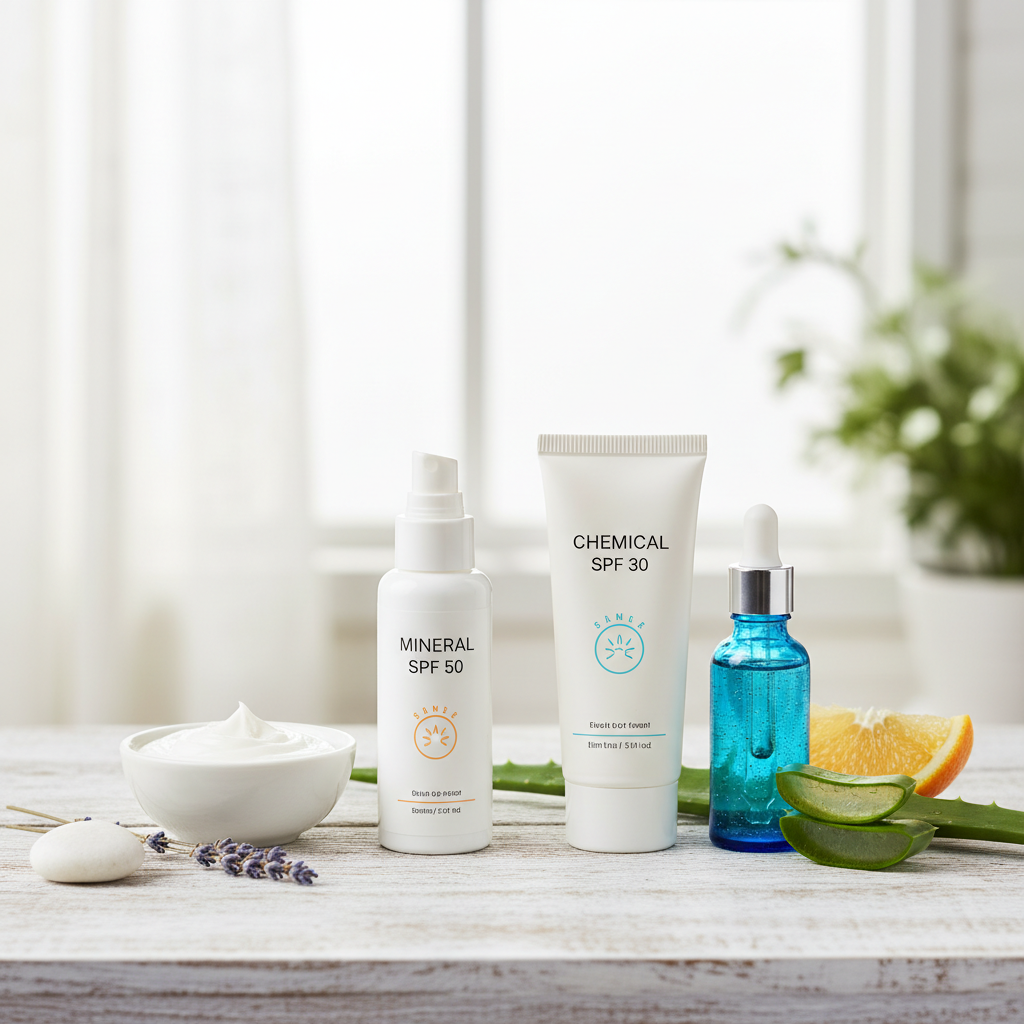
For intense desert sun, the best SPF is a broad-spectrum, water-resistant mineral formula (zinc oxide and/or titanium dioxide) with an SPF of 30 or higher, ideally 50+, supplemented with antioxidants and hydrating ingredients to combat dryness. Consistent reapplication every two hours, or immediately after sweating or swimming, is non-negotiable for effective protection.
Introduction
Living in the US Southwest means embracing breathtaking landscapes, but it also means confronting some of the most intense sun exposure on the planet. For women dedicated to maintaining healthy, radiant skin, choosing the right sun protection isn’t just a recommendation—it’s a critical defense strategy. As we navigate 2026, with new insights into skin barrier health and advanced formulations, understanding how to best shield your skin from the desert’s relentless UV rays is more important than ever.
What Makes Desert Sun So Intense and Why Does My SPF Need to Be Different?
The desert environment presents a unique challenge for sun protection, far exceeding what you might encounter in more temperate zones. Firstly, altitude plays a significant role; for every 1,000 feet gained in elevation, UV radiation exposure increases by 10-12%. Many US Southwest cities sit at considerable altitudes, amplifying the sun’s intensity. Secondly, the arid climate means less atmospheric haze and fewer clouds, allowing more direct and unfiltered UV rays to reach your skin. This dryness also depletes your skin’s natural moisture barrier, making it more vulnerable to environmental aggressors and less resilient against UV damage. Finally, reflective surfaces like sand, rock, and even concrete can bounce UV rays back onto your skin, leading to multi-directional exposure. Your standard beach SPF might offer some protection, but a desert-optimized formula needs to be more robust, often water-resistant, and include barrier-supporting ingredients to counteract the harsh conditions.
Mineral vs. Chemical SPF: Which is Truly Best for Desert Living?
The perennial debate between mineral and chemical sunscreens has evolved, but for the desert, mineral often emerges as the preferred choice for many dermatologists and skincare experts.
Mineral SPF (Physical Sunscreen)
Mineral sunscreens, primarily containing zinc oxide and titanium dioxide, work by creating a physical barrier on the skin’s surface that reflects and scatters UV radiation.
- Zinc Oxide: Considered the gold standard, it offers broad-spectrum protection against both UVA and UVB rays. It’s also known for its soothing properties, making it excellent for sensitive or reactive skin.
- Titanium Dioxide: Primarily effective against UVB and short-wave UVA rays. Often combined with zinc oxide for enhanced broad-spectrum coverage.
**Pros for Desert:**
- Immediate Protection: Works right after application, no waiting period.
- Gentle: Less likely to irritate sensitive skin, making it ideal for skin already stressed by dryness or heat.
- Stable: These ingredients are generally very stable in sunlight.
**Cons for Desert:**
- White Cast: Can sometimes leave a white residue, though micronized and tinted formulas have largely mitigated this.
- Texture: Can feel thicker or heavier, though modern formulations are much more elegant.
Chemical SPF (Organic Sunscreen)
Chemical sunscreens absorb UV radiation and convert it into heat, which is then released from the skin. Common FDA-approved actives include oxybenzone, avobenzone, octinoxate, and octisalate.
**Pros for Desert:**
- Lighter Texture: Often feel lighter and absorb more easily, making them popular for daily wear or under makeup.
- No White Cast: Generally transparent on the skin.
**Cons for Desert:**
- Potential Irritation: Some individuals, especially those with sensitive skin, may react to certain chemical filters.
- Stability Concerns: Some chemical filters can degrade faster when exposed to intense UV light, potentially requiring more frequent reapplication or combination with photostabilizers.
- Wait Time: Requires 15-20 minutes to become effective after application.
Dermatologist Consensus: For the intense, unrelenting sun of the desert, mineral sunscreens, particularly those high in zinc oxide, are often recommended due to their superior stability, broad-spectrum coverage, and gentler nature, especially when skin barrier integrity is a concern. However, if you prefer the feel of a chemical sunscreen and tolerate it well, ensure it’s a broad-spectrum formula with photostable filters.
What Key Ingredients Should I Look for in a Desert-Optimized SPF?
Beyond just the UV filters, a truly effective desert SPF incorporates ingredients that actively protect and nourish the skin against the harsh environment.
- Broad-Spectrum Protection (UVA/UVB): This is non-negotiable. Look for “Broad Spectrum” on the label, indicating protection against both types of harmful UV rays. UVA contributes to aging, while UVB causes sunburn.
- High SPF (30+ to 50+): While SPF 30 blocks about 97% of UVB rays, an SPF 50 blocks about 98%. In a desert climate, that extra 1% can make a significant difference. Aim for SPF 50 or higher for maximum defense.
- Antioxidants (Vitamin C, E, Ferulic Acid): These powerhouses neutralize free radicals generated by UV exposure and environmental pollution, which accelerate skin aging. Vitamin C brightens and protects, while Vitamin E offers soothing and moisturizing benefits. Ferulic acid enhances the stability and efficacy of C and E.
- Hydrators (Hyaluronic Acid, Glycerin, Squalane): The desert saps moisture. Ingredients like hyaluronic acid (a humectant that draws moisture into the skin) and glycerin are crucial for maintaining hydration. Squalane, an emollient, helps prevent moisture loss and supports the skin barrier.
- Skin Barrier Support (Ceramides, Niacinamide): A strong skin barrier is your first line of defense. Ceramides are lipids that naturally occur in the skin and are essential for barrier function. Niacinamide (Vitamin B3) strengthens the skin barrier, reduces inflammation, and can improve skin tone, making it ideal for mitigating desert-induced stress.
- Water Resistance: Even if you’re not swimming, desert heat means sweating. Look for “water resistant” labels (40 or 80 minutes) to ensure your protection holds up.
How Often Should I Reapply Sunscreen in a Desert Climate, Really?
This is where the science of sunscreen reapplication becomes paramount, especially in the desert. The standard recommendation of “every two hours” is a baseline, but the desert demands a more rigorous approach.
Understanding Reapplication Science:
Sunscreen efficacy isn’t just about the initial application; it’s about maintaining a consistent protective film. Factors that break down this film include:
- Sweat and Sebum: The desert’s heat often leads to increased sweating, which can dilute and wash away sunscreen.
- Friction: Wiping your face, touching your skin, or even wearing a mask can physically remove sunscreen.
- Photodegradation: While mineral sunscreens are very stable, some chemical filters can degrade over prolonged, intense UV exposure.
Desert Reapplication Schedule:
In a desert climate, you should aim to reapply your broad-spectrum, water-resistant SPF:
- Every 2 hours: This is the absolute minimum standard for continuous outdoor exposure.
- Immediately after sweating heavily: If you’re exercising, hiking, or just experiencing intense heat, reapply as soon as possible after sweating.
- Immediately after swimming or water activities: Even if your product is “water resistant for 80 minutes,” reapply after toweling dry.
- After towel drying: Rubbing your skin with a towel can remove sunscreen, so always reapply.
- More frequently for sensitive areas: Areas like the nose, ears, and back of the neck are often overlooked and need extra attention.
Consider using SPF sticks or powder sunscreens for convenient on-the-go reapplication over makeup. Don’t forget your lips with an SPF lip balm!
Beyond SPF: What Else Can I Do to Protect My Skin in the Desert?
Sunscreen is foundational, but comprehensive desert sun protection requires a multi-faceted approach.
Seek Shade and Cover Up
This is arguably the most effective form of sun protection. Plan outdoor activities for early morning or late afternoon when UV index is lower. When outdoors, seek natural shade or create your own with umbrellas. Wear broad-brimmed hats (at least 3 inches wide) and UV-protective clothing (UPF-rated fabrics). These physical barriers provide consistent, reliable protection that doesn’t wear off.
Post-Sun Skincare and Repair
Even with the best protection, some UV exposure is inevitable. Focus on repairing and strengthening your skin barrier in the evenings. Incorporate ingredients like retinol (or its gentler, often more potent cousin, retinal) to address sun damage, stimulate collagen, and improve skin texture. Start slowly with these actives to avoid irritation, especially in a dry climate. Niacinamide and ceramides are excellent for soothing and rebuilding the skin barrier. Hyaluronic acid serums can replenish lost hydration. Consider a gentle exfoliating AHA (alpha hydroxy acid) once or twice a week to slough off dead skin cells and reveal fresher skin, but be extra diligent with SPF the next day.
Dermal-Grade At-Home Tools
The 2026 skincare landscape has seen an explosion of accessible, dermal-grade at-home tools. While not direct sun protection, devices like LED light therapy masks (red light for collagen stimulation and anti-inflammatory benefits, blue light for acne) or microcurrent devices can support skin health and resilience, helping to mitigate the long-term effects of environmental stress and sun exposure. Always use these tools as directed and ensure your skin is adequately protected from the sun during the day if using any reparative treatments.
Which SPF Products Are Best Suited for Different Skin Types in the Desert?
Finding the “best” SPF isn’t one-size-fits-all; it depends heavily on your unique skin type and concerns. Here’s a breakdown of what to look for:
| Skin Type | Ideal SPF Formulation | Key Ingredients to Look For | Why It Works for Desert |
|---|---|---|---|
| Oily/Acne-Prone | Lightweight, non-comedogenic, matte-finish mineral fluid or gel. | Zinc oxide, niacinamide, silica, salicylic acid (if also acne-prone). | Controls shine, won’t clog pores, mineral filters are generally non-irritating. Niacinamide helps with oil regulation. |
| Dry/Dehydrated | Creamy, hydrating mineral lotion or balm with emollient feel. | Zinc oxide, titanium dioxide, hyaluronic acid, ceramides, squalane, glycerin. | Provides essential moisture while protecting, reinforces compromised skin barrier against dryness. |
| Combination | Balanced, perhaps a hydrating mineral fluid that isn’t overly heavy. Tinted formulas can blend well. | Zinc oxide, hyaluronic acid, niacinamide. | Addresses both dry and oily zones without exacerbating either, niacinamide is versatile for barrier and oil. |
| Sensitive/Reactive | Fragrance-free, hypoallergenic, purely mineral (zinc oxide highest percentage) cream. | High percentage zinc oxide, titanium dioxide, bisabolol, centella asiatica. | Minimal ingredients, physical blockers are less likely to cause irritation, soothing botanicals calm skin. |
| Mature | Nourishing, antioxidant-rich mineral cream, often with a subtle tint for even tone. | Zinc oxide, Vitamin C, Vitamin E, peptides, ceramides, hyaluronic acid. | Combats signs of aging, provides deep hydration, and powerful antioxidant protection against free radicals. |
Frequently Asked Questions
Can I rely on SPF in my makeup for desert protection?
Generally, no. While SPF in foundations or BB creams offers a minimal layer of protection, you’d need to apply an impossibly thick layer (about seven times the normal amount) to achieve the stated SPF. Always use a dedicated broad-spectrum SPF 30+ product underneath your makeup for adequate protection in the desert.
What’s the deal with “clean” sunscreens? Are they better for the desert?
The term “clean” lacks a regulated definition, but generally refers to products free from certain chemicals (like oxybenzone, octinoxate, parabens) and often favoring mineral filters. While these formulations can be excellent, especially for sensitive skin or those concerned about environmental impact, their primary benefit isn’t inherently “better” sun protection in the desert. Focus on broad-spectrum, high SPF, water-resistant mineral formulas first, then consider “clean” aspects if they align with your personal preferences.
My skin feels so dry even with SPF. What am I missing?
Desert dryness is relentless. Ensure your SPF itself contains hydrating ingredients like hyaluronic acid or ceramides. Beyond SPF, layer a hydrating serum (like a hyaluronic acid serum) underneath your sunscreen. In the evening, use a richer moisturizer with ceramides or squalane to help repair your skin barrier. Also, consider a humidifier indoors, especially during sleep, to counteract the arid air.
Is retinal better than retinol for repairing sun damage?
Retinaldehyde (retinal) is a precursor to retinoic acid, just one step away, making it more potent and faster-acting than traditional retinol, which requires two conversion steps. For addressing existing sun damage, fine lines, and texture concerns, retinal offers a powerful option with potentially less irritation than prescription retinoids. Always introduce either gradually, especially in a desert climate, and commit to diligent morning SPF application.
How do I choose between drugstore and prestige SPF brands for the desert?
Both drugstore and prestige brands offer excellent broad-spectrum SPF options. The key is to look at the ingredients and formulation, not just the price tag. Many affordable drugstore brands formulate with high concentrations of zinc oxide and titanium dioxide, alongside beneficial antioxidants and hydrators. Prestige brands often invest in more elegant textures, sophisticated delivery systems, or unique botanical extracts. Prioritize efficacy (broad-spectrum, SPF 30+, water-resistant, suitable for your skin type) over brand name or price point.
Conclusion
Navigating the intense sun of the US Southwest requires a strategic and informed approach to sun protection. By prioritizing broad-spectrum, high-SPF mineral sunscreens rich in antioxidants and hydrators, and committing to diligent reapplication, you can effectively shield your skin from the desert’s harsh realities. Remember that sun protection is a holistic practice—combining your chosen SPF with protective clothing, shade, and a robust evening skincare routine tailored to repair and strengthen your skin barrier will ensure your skin remains healthy, resilient, and radiant for years to come.