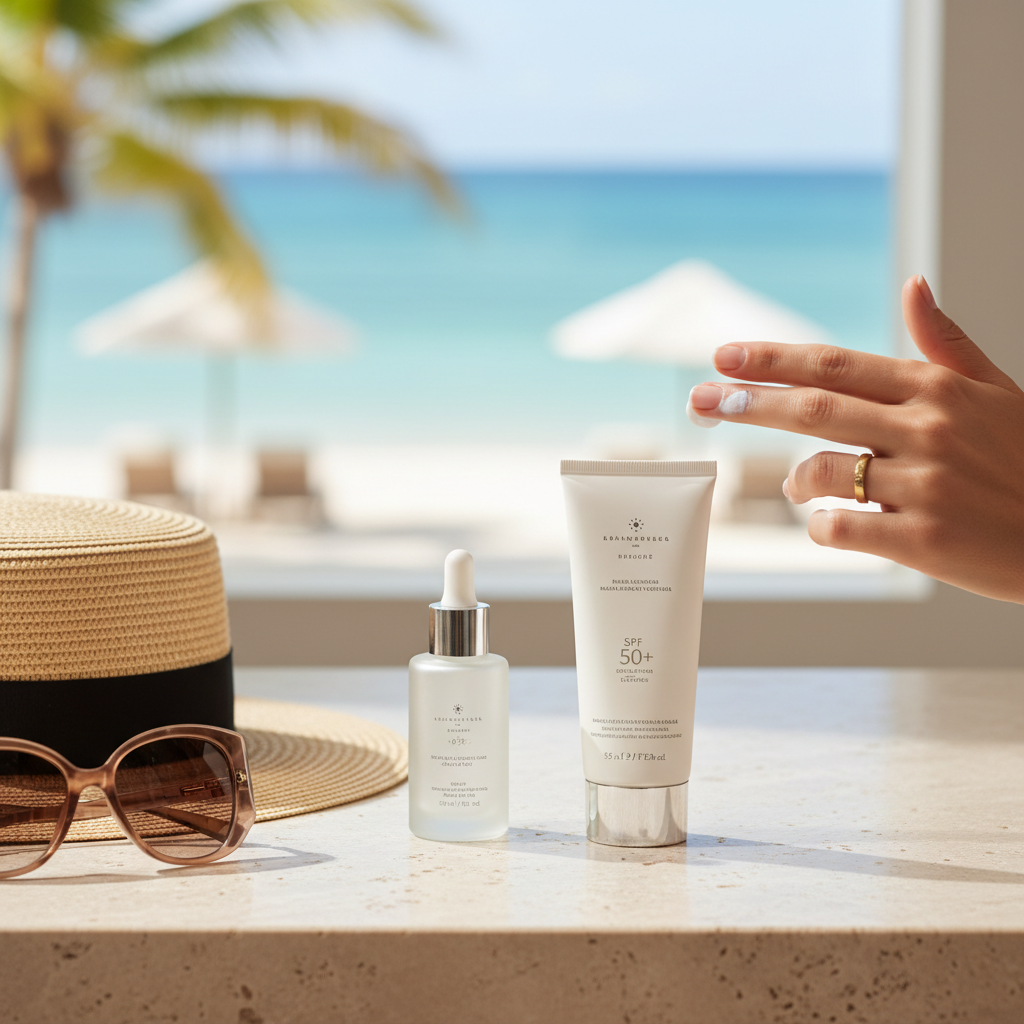
Yes, your windows are indeed letting in ultraviolet A (UVA) rays, which contribute significantly to premature skin aging and can impact overall skin health, even if you’re indoors. Daily, broad-spectrum sun protection is crucial for women in the US, regardless of whether they spend most of their day inside, to safeguard against photoaging and maintain a resilient skin barrier.
Introduction
For years, the common wisdom suggested that being indoors offered a shield from the sun’s harmful rays. However, as our understanding of UV radiation and its impact on skin evolves, particularly in 2026, it’s clear that our homes and offices aren’t always the impenetrable fortresses we once thought. The reality is that a significant component of ultraviolet light silently penetrates glass, making indoor sun protection a non-negotiable step in any comprehensive skincare routine.
Do Windows Really Block All UV Rays?
The short answer is no, not all of them. Sunlight is comprised of different types of ultraviolet (UV) radiation, primarily UVA and UVB. Understanding the distinction is key to grasping why indoor sun protection is so vital. UVB rays are shorter, more intense, and are the primary cause of sunburn and most skin cancers. Standard window glass, whether in your home, office, or car, is quite effective at blocking the majority of UVB rays, which is why you rarely get a sunburn sitting by a window.
However, UVA rays are a different story. These longer wavelength rays penetrate much deeper into the skin and are present with relatively consistent intensity throughout the year, from dawn to dusk, even on cloudy days. Crucially, standard window glass only blocks an estimated 25-50% of UVA radiation, meaning a significant portion still reaches your skin. While car windshields often have laminated glass that offers better UVA protection, side and rear windows typically do not. This continuous, low-level exposure to UVA through windows accumulates over time, silently contributing to skin damage that often goes unnoticed until years later.
What Are the Long-Term Effects of Indoor UV Exposure?
The cumulative effect of daily, unprotected UVA exposure, even when indoors, can lead to a range of visible and underlying skin concerns, often grouped under the term “photoaging.” Unlike the immediate redness of a sunburn caused by UVB, UVA damage is insidious and progressive.
- Fine Lines and Wrinkles: UVA rays degrade collagen and elastin fibers in the skin’s dermis, which are essential for maintaining skin’s structure and elasticity. This breakdown accelerates the formation of fine lines and deeper wrinkles, making the skin appear older than its chronological age.
- Hyperpigmentation: Persistent UVA exposure stimulates melanin production, leading to sunspots, age spots, and uneven skin tone, especially on areas frequently exposed to windows like one side of the face or hands.
- Loss of Elasticity and Firmness: The destruction of collagen and elastin also results in sagging skin and a loss of facial contour, as the skin loses its ability to bounce back.
- Compromised Skin Barrier: Chronic UV exposure can weaken the skin’s natural barrier function, making it more susceptible to environmental aggressors, dehydration, and sensitivity.
- Increased Risk of Skin Cancer: While UVB is the primary culprit for melanoma, UVA contributes to the risk of all types of skin cancer, including basal cell carcinoma and squamous cell carcinoma, by damaging DNA within skin cells.
These effects underscore why a proactive approach to indoor sun protection is not just about aesthetics but about long-term skin health and disease prevention.
How Can I Protect My Skin Indoors Effectively?
Protecting your skin indoors requires a multi-faceted approach, combining topical products with physical barriers. It’s about creating a daily ritual that safeguards against constant UVA exposure.
The Non-Negotiable: Daily SPF
The cornerstone of indoor sun protection is the daily application of a broad-spectrum sunscreen with an SPF of 30 or higher, as recommended by dermatologists. For indoor use, especially for women with sensitive skin or those concerned about chemical filters, mineral sunscreens are often preferred.
- Mineral SPF (Physical Sunscreen): These formulations use active ingredients like zinc oxide and titanium dioxide. They work by creating a physical barrier on the skin’s surface that reflects and scatters UV radiation. Mineral sunscreens offer immediate protection upon application and are generally well-tolerated by most skin types, including sensitive and mature skin. In 2026, advancements in mineral formulations mean fewer white casts and more elegant textures, making them a pleasure to wear daily.
- Broad-Spectrum: This label ensures protection against both UVA and UVB rays. While UVB is largely blocked by windows, UVA is not, so broad-spectrum coverage is essential.
Even indoors, if you’re consistently sitting near a window for extended periods, especially if sunlight directly hits your skin, sunscreen reapplication science suggests reapplying every 4-6 hours can be beneficial. Many women are now opting for SPF-infused moisturizers or tinted sunscreens for convenience.
Beyond SPF: Antioxidants & Barrier Support
While SPF is your primary defense, layering it with antioxidants and barrier-supporting ingredients offers a powerful synergistic approach to mitigate any UVA damage that might still penetrate and to strengthen your skin’s resilience.
- Vitamin C: A potent antioxidant, Vitamin C (L-ascorbic acid) helps neutralize free radicals generated by UV exposure, brightens the complexion, and supports collagen synthesis. Applied in the morning, it acts as a secondary line of defense against environmental aggressors.
- Niacinamide: Also known as Vitamin B3, niacinamide is an anti-inflammatory powerhouse. It helps strengthen the skin barrier, reduces redness, minimizes the appearance of pores, and offers antioxidant benefits, making it excellent for all skin types, including sensitive and acne-prone.
- Hyaluronic Acid: This humectant draws moisture from the air into the skin, providing intense hydration and a plump appearance. A well-hydrated skin barrier is a stronger barrier, better equipped to defend against external stressors.
- Ceramides: These essential lipids are the “mortar” between your skin cells, crucial for maintaining a healthy skin barrier. Products rich in ceramides help prevent moisture loss and protect against environmental damage, repairing and fortifying the skin.
- Peptides: These short chains of amino acids act as signaling molecules, encouraging the skin to produce more collagen and elastin. Incorporating peptides can help address existing signs of photoaging and maintain skin firmness.
This combination of SPF and targeted actives ensures both protection and repair, a hallmark of 2026’s holistic skincare philosophy focusing on skin barrier integrity.
Physical Barriers and Home Solutions
For those seeking extra protection, especially in sun-drenched rooms, physical barriers can offer an additional layer of defense.
- UV-Blocking Window Films: These specialized films can be applied directly to existing windows and are designed to block up to 99% of both UVA and UVB rays without significantly darkening your room. They are a one-time investment that offers continuous protection.
- Strategic Furniture Placement: Simply rearranging your workspace or leisure areas away from direct window sunlight can significantly reduce your daily exposure.
- Protective Clothing: If you spend hours by a particularly sunny window, consider wearing lightweight, long-sleeved clothing. While not always practical indoors, it’s an option for specific situations.
Which Indoor SPF Products Are Best for My Skin Type?
Choosing the right indoor SPF depends on your skin type, concerns, and lifestyle. Both drugstore and prestige brands now offer sophisticated formulations tailored for daily wear. The key is to look for FDA-approved active ingredients (zinc oxide, titanium dioxide, or chemical filters) in a broad-spectrum formula.
| Product Category | Key Actives / Benefits | Best For (Skin Type/Concern) | Why It’s a 2026 Pick |
|---|---|---|---|
| Lightweight Mineral SPF Serum (e.g., “GlowDefend Daily Serum SPF 30”) | Zinc Oxide, Niacinamide, Hyaluronic Acid. Sheer, non-greasy finish. | Oily, Combination, Acne-Prone, Sensitive Skin. Those who dislike heavy textures. | Combines SPF with barrier support and hydration, fitting the “skinimalism” trend. Invisible finish. |
| Tinted Mineral SPF Moisturizer (e.g., “Radiant Barrier Tint SPF 40”) | Titanium Dioxide, Zinc Oxide, Ceramides, Vitamin C. Offers light coverage. | Dry, Normal, Mature Skin. Those seeking light makeup coverage and anti-aging benefits. | Multi-tasking product that streamlines morning routine; enhances natural glow while protecting. |
| Hydrating Mineral SPF Cream (e.g., “AquaShield Defense SPF 50”) | Zinc Oxide, Ceramides, Glycerin. Rich, moisturizing texture. | Very Dry, Dehydrated, Sensitive Skin. Post-procedure or mature skin. | Prioritizes intense hydration and barrier repair alongside high SPF, addressing dryness often exacerbated by indoor environments. |
| Invisible Chemical SPF Gel (e.g., “ClearGuard Sun Gel SPF 45”) | Avobenzone, Homosalate, Octisalate. Weightless, clear finish. | Oily, Combination, Deeper Skin Tones (no white cast). Those preferring chemical filters. | Focuses on an utterly undetectable finish, crucial for daily wear and makeup layering, while offering robust protection. |
Are There Any Emerging Trends in Indoor Sun Protection?
The skincare landscape is always evolving, and 2026 brings new insights and innovations relevant to indoor sun protection:
- SPF-Infused Skincare & Makeup: The market is saturated with moisturizers, primers, and foundations boasting significant SPF. While convenient, remember that the SPF level achieved often depends on applying a generous amount, which isn’t always practical with makeup. It’s best used as a supplemental layer over a dedicated SPF.
- Focus on Blue Light Protection: With increased screen time, concern over high-energy visible (HEV) light, or blue light, is growing. While research on blue light’s long-term skin impact is still emerging, some products now include antioxidants like lutein or iron oxides to help mitigate potential effects. Mineral sunscreens, particularly those with a tint, offer some inherent blue light protection.
- Retinal vs. Retinol: In the evening, to repair any potential daytime damage and stimulate skin renewal, the trend is leaning towards retinaldehyde (retinal). Retinal is a more potent and faster-acting retinoid than traditional retinol, converting to retinoic acid in one less step, offering quicker results for fine lines, texture, and hyperpigmentation. It’s often formulated with barrier-supporting ingredients to minimize irritation, making it a powerful ally in the fight against photoaging.
- Skin Barrier First Formulations: The emphasis on a healthy skin barrier is paramount. Products that pair SPF with ingredients like ceramides, niacinamide, and peptides are gaining traction, ensuring that protection doesn’t come at the expense of skin health.
My Indoor Skincare Routine: A Daily Checklist
Establishing a consistent morning routine is your best defense against indoor UV exposure. Here’s a dermatologist-consensus-inspired checklist:
- Cleanse: Start with a gentle cleanser to remove overnight impurities without stripping your skin.
- Antioxidant Serum: Apply a Vitamin C serum to neutralize free radicals and brighten your complexion.
- Hydrating Serum (Optional): If your skin is dry or dehydrated, layer a hyaluronic acid serum for an extra boost of moisture.
- Moisturizer: Follow with a moisturizer tailored to your skin type. Look for ingredients like ceramides or niacinamide for barrier support.
- Broad-Spectrum Mineral SPF 30+: This is the non-negotiable step. Apply a generous amount (at least a nickel-sized dollop for your face and neck) as the final step in your morning routine. Ensure it’s broad-spectrum to protect against UVA.
- Reapply SPF (as needed): If you’re seated by a window for several hours or move around a lot, consider reapplying a lightweight SPF mist or powder every 4-6 hours.
- Evening Repair: In the evening, cleanse thoroughly and apply a retinoid (like retinaldehyde or retinol) to stimulate cell turnover and repair damage, followed by a rich, barrier-repairing cream.
Frequently Asked Questions
Do all windows block UV equally?
No, they do not. Standard untreated window glass effectively blocks most UVB rays, which cause sunburn. However, it only blocks about 25-50% of UVA rays, which contribute to photoaging and skin cancer risk. Laminated glass, often found in car windshields or specialized architectural windows, offers significantly better UVA protection than standard residential or commercial pane glass.
Is my skin safe from UV if I’m just in a shaded room?
While shade provides some relief from direct sunlight and reduces UVB exposure, it does not offer complete protection, especially indoors. UVA rays can still penetrate windows and reflect off surfaces, reaching your skin even in a shaded room. Consistent daily broad-spectrum SPF is still recommended to ensure comprehensive protection.
What’s the difference between sunscreen and sunblock?
Historically, “sunblock” referred to mineral (physical) formulas containing zinc oxide and titanium dioxide, which physically block UV rays. “Sunscreen” referred to chemical formulas that absorb and convert UV into heat. Today, “sunscreen” is the universally accepted term, encompassing both mineral and chemical formulations. Both types, when broad-spectrum and SPF 30+, are effective forms of UV protection.
Should I wear SPF at night?
No, SPF is designed to protect your skin from UV radiation during daylight hours. Wearing SPF at night is unnecessary, as there are no UV rays to protect against. Your nighttime routine should focus on cleansing, treatment (like retinoids or peptides), and hydration to repair and rejuvenate your skin.
How often should I reapply SPF indoors?
If you are consistently near a window, especially if