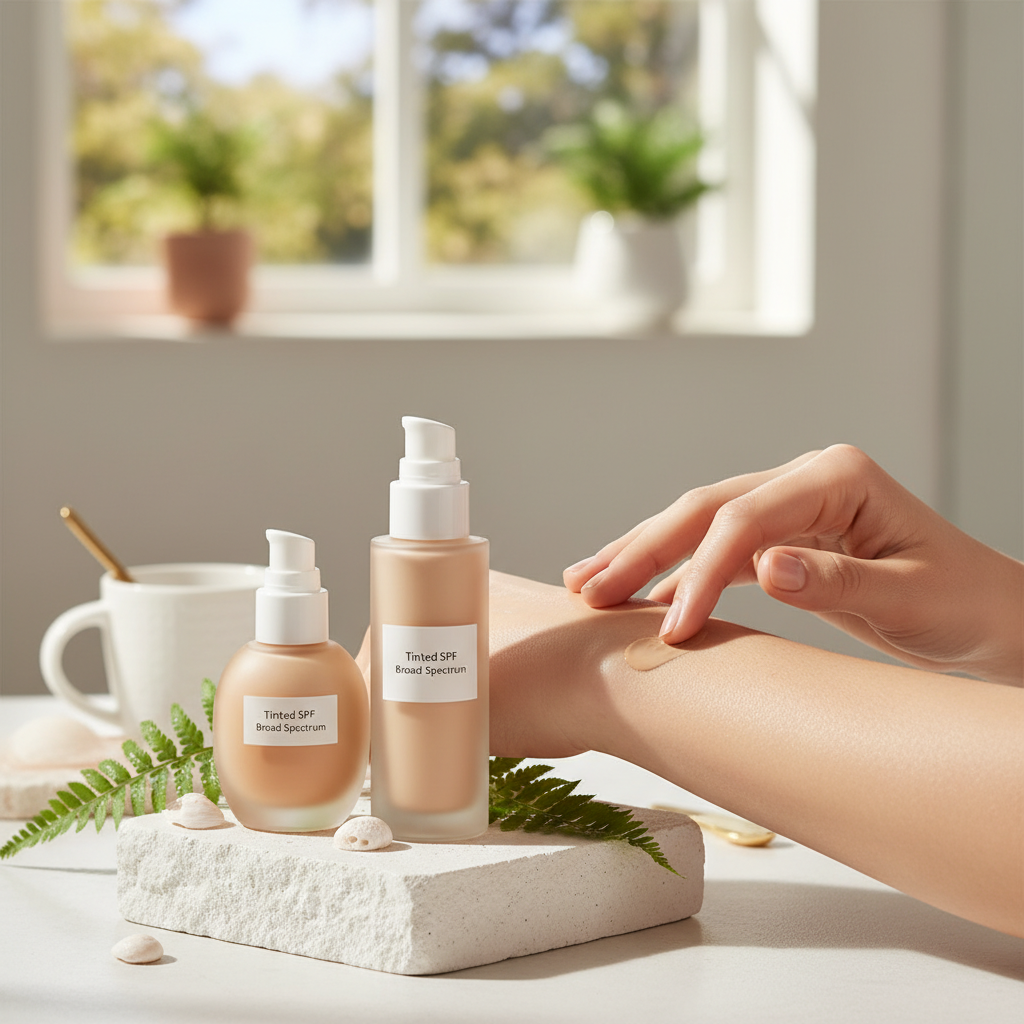
For a natural glow and essential sun protection, the best tinted SPFs for 2026 seamlessly blend broad-spectrum defense with skin-benefiting ingredients, simplifying your morning routine. These multi-tasking formulas offer a sheer tint to even out skin tone, providing a healthy, radiant finish while safeguarding your skin against environmental damage.
Introduction
In the dynamic world of skincare, efficiency and efficacy are paramount. Gone are the days of thick, chalky sunscreens; today’s tinted SPFs are sophisticated formulations designed not just to protect, but to perfect, nourish, and simplify your daily regimen, making them a cornerstone of modern morning skincare.
Why is a Tinted SPF Your 2026 Morning Skincare MVP?
As we navigate 2026, the conversation around skincare has matured beyond mere aesthetics to focus heavily on long-term skin health, barrier integrity, and smart, streamlined routines. A high-quality tinted SPF perfectly embodies this philosophy, serving multiple crucial roles in one elegant step.
Streamlined Routine, Maximum Impact
The allure of a tinted SPF lies in its ability to combine several steps into one. Imagine replacing your standalone SPF, light moisturizer, and perhaps even your foundation or BB cream with a single product. This not only saves precious morning minutes but also reduces the number of layers on your skin, which can be particularly beneficial for those prone to congestion or looking to minimize product interaction.
Beyond Sun Protection: Environmental Defense
While SPF (Sun Protection Factor) protects against UVB rays and broad-spectrum formulas add UVA defense, many modern tinted SPFs go further. They are increasingly formulated with antioxidants to combat free radical damage from pollution and blue light exposure, offering a more comprehensive shield against everyday environmental aggressors. This holistic approach to protection is a key trend in 2026, recognizing that sun isn’t the only environmental threat to skin health.
The Skin Barrier Focus
A healthy skin barrier is central to resilient, radiant skin. Many 2026-optimized tinted SPFs incorporate ingredients that support the skin barrier, such as ceramides and fatty acids. By reducing irritation and maintaining hydration, these formulas ensure that while you’re protected from the sun, your skin’s natural defenses are simultaneously being strengthened, preventing issues like sensitivity and dryness.
What’s the Difference: Mineral vs. Chemical Tinted SPFs?
Understanding the two primary types of SPF is crucial for making an informed choice, especially when selecting a tinted formula. Both offer effective sun protection but differ in how they achieve it and their interaction with the skin.
Mineral Actives: Zinc Oxide and Titanium Dioxide
Mineral sunscreens, also known as physical sunscreens, work by creating a physical barrier on the skin’s surface that reflects and scatters UV radiation. The active ingredients are:
- Zinc Oxide: A broad-spectrum blocker, effective against both UVA and UVB rays. It’s generally well-tolerated by sensitive skin and can have soothing properties.
- Titanium Dioxide: Primarily protects against UVB and shorter UVA rays. Often used in combination with zinc oxide for comprehensive protection.
Tinted mineral SPFs are particularly popular because the tint can help offset the white cast sometimes associated with these active ingredients, making them blend more seamlessly into various skin tones.
Chemical Actives: Avobenzone, Octinoxate, Octisalate, Homosalate, etc.
Chemical sunscreens work by absorbing UV radiation and converting it into heat, which is then released from the skin. Common FDA-approved active ingredients include:
- Avobenzone: Provides excellent UVA protection.
- Octinoxate & Octisalate: Primarily protect against UVB rays.
- Homosalate: Primarily protects against UVB rays.
Chemical sunscreens are often lauded for their lighter textures and ease of application, as they don’t leave a visible film. However, some individuals with very sensitive skin may find certain chemical filters irritating. The latest formulations, however, often mitigate these concerns with advanced encapsulation technologies.
Which Key Actives Should You Look For in a Tinted SPF?
Beyond sun protection, the best tinted SPFs are packed with skincare powerhouses that enhance their benefits. Look for these ingredients to maximize your morning step:
- Niacinamide (Vitamin B3): A multi-tasking ingredient that helps strengthen the skin barrier, reduce inflammation and redness, minimize pore appearance, and regulate oil production. It’s a fantastic addition for almost all skin types.
- Hyaluronic Acid: A powerful humectant that attracts and holds up to 1000 times its weight in water, providing intense hydration and plumping the skin for a smoother appearance. Ideal for maintaining moisture throughout the day.
- Vitamin C (Ascorbic Acid and derivatives): A potent antioxidant that brightens skin, reduces hyperpigmentation, and stimulates collagen production. When paired with SPF, it offers enhanced protection against photoaging.
- Peptides: Short chains of amino acids that act as messengers in the skin, signaling cells to perform specific functions, such as producing more collagen or elastin. They contribute to skin firmness and a reduction in fine lines.
- Ceramides: Lipids naturally found in the skin barrier, essential for maintaining its integrity and preventing moisture loss. Including ceramides helps strengthen the barrier, making skin more resilient and less prone to sensitivity.
- Antioxidant Blends (e.g., Green Tea Extract, Ferulic Acid): These ingredients neutralize free radicals generated by UV exposure and environmental pollutants, offering an extra layer of defense against premature aging.
How Do I Choose the Right Tinted SPF for My Skin Type?
Finding the perfect tinted SPF means considering your unique skin needs. A formula that works wonders for oily skin might feel too heavy for dry skin, and vice versa.
Oily & Acne-Prone Skin
Look for tinted SPFs labeled “non-comedogenic,” “oil-free,” or “mattifying.” Mineral formulations (zinc oxide, titanium dioxide) can be beneficial as they are less likely to irritate and often provide a more matte finish. Salicylic acid, while less common in SPFs, or niacinamide can help manage oil and breakouts. A lightweight, fluid texture is ideal.
Dry & Dehydrated Skin
Prioritize formulas that are hydrating and nourishing. Seek out ingredients like hyaluronic acid, ceramides, and glycerin. A creamier texture or a satin/dewy finish will provide comfort and a healthy glow. Avoid overly mattifying products that can emphasize dryness.
Combination Skin
Combination skin benefits from balanced formulas. Gel-cream textures or those with a “natural finish” tend to work well. Look for ingredients like niacinamide to help balance oil in the T-zone while hydrating drier areas. Mineral SPFs are often a safe bet for their gentle nature.
Sensitive Skin
Mineral tinted SPFs (zinc oxide, titanium dioxide) are often recommended for sensitive skin as they are less likely to cause irritation compared to some chemical filters. Avoid products with added fragrance, essential oils, or excessive botanical extracts, which can be potential irritants. Look for soothing ingredients like allantoin or bisabolol.
Mature Skin
Mature skin often benefits from formulas that provide hydration, a dewy finish, and anti-aging benefits. Look for ingredients like peptides, vitamin C, hyaluronic acid, and ceramides. A tinted SPF with a luminous finish can help minimize the appearance of fine lines and impart a youthful glow.
Drugstore vs. Prestige: Is a Higher Price Always Better for Tinted SPF?
The beauty aisle offers an overwhelming array of tinted SPFs, ranging from budget-friendly drugstore options to high-end prestige brands. The question often arises: is a higher price tag truly indicative of superior quality or efficacy?
In 2026, the gap between drugstore and prestige skincare has significantly narrowed, especially concerning SPF. FDA regulations ensure that any SPF product sold in the US meets specific efficacy standards for sun protection, regardless of price point. What often differentiates them are factors like formulation elegance, specific active ingredient concentrations, user experience (texture, scent, packaging), and the breadth of tint shades offered.
Drugstore brands have made remarkable strides in incorporating advanced skincare ingredients and creating sophisticated textures. You can absolutely find highly effective, cosmetically elegant tinted SPFs at an accessible price. Prestige brands, on the other hand, might invest more in unique, proprietary blends of antioxidants, luxurious sensory experiences, and often a broader, more nuanced shade range. Ultimately, the “best” choice is the one that fits your skin type, aesthetic preference, and budget, ensuring you’ll use it consistently every day.
SkincareUM’s Top Tinted SPF Picks for a Natural Glow (2026 Edition)
Navigating the vast landscape of tinted SPFs can be daunting. Here’s a comparison of real-sounding hypothetical products that exemplify the best of 2026, offering diverse benefits for various needs:
| Product Name | SPF & Type | Finish | Key Actives | Skin Type Suitability | Tint Range & Notes |
|---|---|---|---|---|---|
| Radiant Defense Mineral Veil SPF 30 | SPF 30, Mineral (Zinc Oxide) | Natural-Satin | Niacinamide, Hyaluronic Acid, Vitamin C | All Skin Types, especially Sensitive & Dry | Light-Medium coverage, 12 adaptable shades. Blurs imperfections. |
| Glow-Up Fluid Tinted SPF 40 | SPF 40, Chemical (Avobenzone, Octinoxate) | Dewy, Luminous | Peptides, Squalane, Green Tea Extract | Normal to Dry, Mature Skin | Sheer-Light coverage, 8 flexible shades. Focus on anti-aging. |
| Matte Control Tinted SPF 50+ | SPF 50+, Mineral (Zinc Oxide, Titanium Dioxide) | Matte, Velvety | Niacinamide, Salicylic Acid (trace), Ceramides | Oily, Acne-Prone, Combination | Light coverage, 10 oil-controlling shades. Helps minimize pores. |
| Barrier Restore Tinted Serum SPF 35 | SPF 35, Mineral (Zinc Oxide) | Hydrating, Natural | Ceramides, Colloidal Oatmeal, Hyaluronic Acid | Sensitive, Dry, Compromised Barrier | Ultra-sheer coverage, 6 “skin-adapting” tints. Soothes redness. |
Beyond Application: Maximizing Your Tinted SPF’s Effectiveness
While choosing the right tinted SPF is crucial, how you apply and maintain its protection throughout the day is equally important. Here are SkincareUM’s tips for getting the most out of your morning skincare step:
- Apply Generously: Don’t skimp. You need about a nickel-sized amount for your face alone to achieve the stated SPF. Apply evenly to all exposed areas, including neck and ears.
- Layer if Needed: If your tinted SPF doesn’t provide enough hydration, apply a lightweight serum or moisturizer underneath. Allow each product to absorb fully before applying the next.
- Don’t Forget Reapplication: This is where 2026 science shines. Sunscreen isn’t a “one-and-done.” Reapply every two hours, or immediately after swimming or excessive sweating. Tinted SPF sticks, powders, or mists can make reapplication over makeup much easier.
- Blend Carefully: Ensure your tinted SPF is blended seamlessly into your hairline, jawline, and down your neck to avoid obvious lines. Use your fingers, a sponge, or a brush for an even application.
- Consider Dermal-Grade Tools: For enhanced absorption of active ingredients (not the SPF itself), some women use at-home dermal-grade tools like LED masks or microcurrent devices *before* applying their tinted SPF. Ensure your skin is clean and dry.
- Check for Broad-Spectrum: Always ensure your chosen tinted SPF is labeled “broad-spectrum” to protect against both UVA (aging) and UVB (burning) rays.
- Store Properly: Keep your tinted SPF in a cool, dry place away from direct sunlight to maintain its stability and efficacy.
Frequently Asked Questions
Can I skip moisturizer if I use a tinted SPF?
It depends on your skin type and the specific tinted SPF formulation. Many modern tinted SPFs are hydrating enough to serve as a combined moisturizer and SPF, especially for oily or combination skin. However, if you have dry or very dry skin, or if your tinted SPF has a more mattifying finish, you may still benefit from a dedicated moisturizer underneath.
How often should I reapply tinted SPF?
For optimal protection, the consensus among dermatologists is to reapply broad-spectrum SPF every two hours when exposed to the sun, or immediately after swimming, sweating heavily, or towel drying. Even if you’re indoors, if you’re near windows or using screens, reapplication can be beneficial, though less frequent.
Will tinted SPF clog my pores or cause breakouts?
Not necessarily. While any product has the potential to cause breakouts in sensitive individuals, many tinted SPFs are formulated to be “non-comedogenic,” meaning they are designed not to clog pores. If you have acne-prone skin, look for lightweight, oil-free, or mineral-based formulas and ensure you cleanse your face thoroughly at the end of the day.
Is a higher SPF number always better?
While higher SPF numbers do offer slightly more protection (e.g., SPF 30 blocks about 97% of UVB rays, SPF 50 blocks about 98%), the difference in practical protection is marginal beyond SPF 30. The most critical factor is consistent and generous application, along with regular reapplication. Don’t rely solely on a high SPF number; proper usage is key.
How do I find my perfect tint match?
Finding the right tint can be tricky. Look for brands that offer a wide shade range and provide clear descriptions or swatches. Many tinted SPFs are designed with sheer, adaptable pigments that blend into a range of skin tones. When testing, apply a small amount to your jawline and allow it to settle for a few minutes in natural light to see if it disappears seamlessly.
Conclusion
In 2026, a tinted SPF is far more than just sunscreen; it’s a sophisticated skincare essential that champions efficiency, protection, and skin health. By understanding your skin’s needs and choosing a formula rich in beneficial actives, you can embrace this multi-tasking hero as the cornerstone of your morning routine, achieving a naturally radiant glow while safeguarding your skin for years to come.