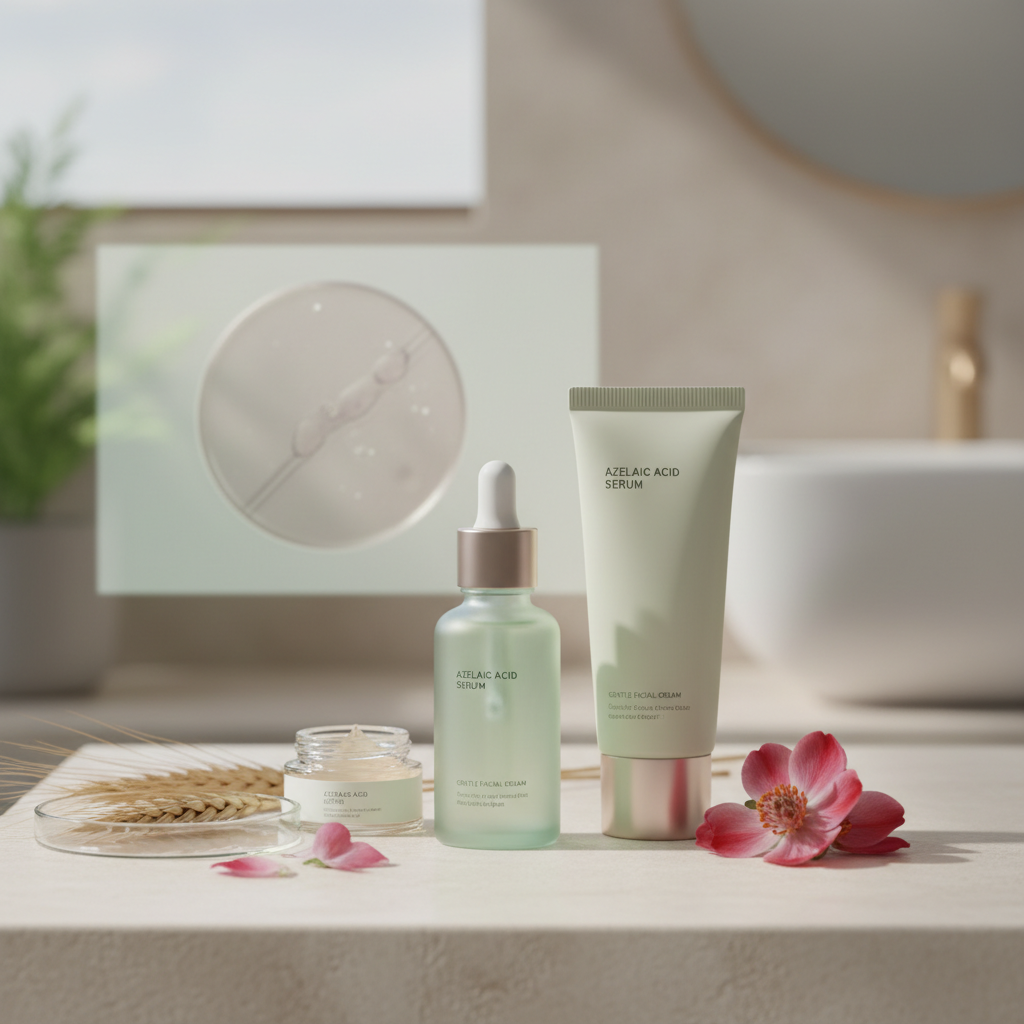
TL;DR: Azelaic acid is a naturally occurring dicarboxylic acid celebrated for its multifaceted benefits, making it an excellent choice for both acne and rosacea. It effectively reduces inflammation, kills acne-causing bacteria, minimizes redness, and helps fade post-inflammatory hyperpigmentation, all while being remarkably gentle and well-tolerated by most skin types, including sensitive skin.
Introduction
In the ever-evolving landscape of skincare, where new ingredients emerge and old favorites are rediscovered, azelaic acid has steadily climbed the ranks to become a dermatologist-favorite for a reason. For years, those struggling with persistent acne, stubborn redness, or the challenging symptoms of rosacea have sought effective, yet gentle, solutions. Enter azelaic acid: a powerhouse ingredient that delivers impressive results without the harshness often associated with other actives. But what exactly is this ingredient, and how does it deliver on its promises for clearer, calmer skin?
What Exactly Is Azelaic Acid and Where Does It Come From?
Azelaic acid is a dicarboxylic acid that occurs naturally in grains like wheat, rye, and barley. It’s also produced by yeast that lives on normal human skin. In skincare, it’s formulated for topical application and is recognized for its impressive range of properties. Unlike some acids that primarily exfoliate, azelaic acid offers a unique combination of benefits, making it a versatile workhorse in treating various skin concerns. It’s not an AHA or BHA in the traditional sense, but it does contribute to cellular turnover and has distinct antibacterial and anti-inflammatory actions.
The Science Behind the Soothe
At a molecular level, azelaic acid works through several pathways. It’s a potent antioxidant, neutralizing free radicals that can damage skin cells and exacerbate inflammatory conditions. Its ability to inhibit tyrosinase, an enzyme crucial for melanin production, makes it effective in addressing hyperpigmentation. Furthermore, it helps normalize keratinization, preventing the buildup of dead skin cells that can clog pores and lead to acne.
How Does Azelaic Acid Work Its Magic for Acne-Prone Skin?
For millions of women across the US, acne isn’t just a teenage problem; it’s a persistent challenge that can impact confidence and comfort well into adulthood. Azelaic acid offers a comprehensive approach to tackling various aspects of acne, from active breakouts to the lingering marks they leave behind.
Targeting Acne-Causing Bacteria
One of azelaic acid’s primary strengths is its antibacterial property. It effectively inhibits the growth of Propionibacterium acnes (now often referred to as Cutibacterium acnes), the bacteria largely responsible for inflammatory acne. By reducing bacterial load on the skin, it helps to calm existing breakouts and prevent new ones from forming.
Reducing Inflammation and Redness
Inflammation is a hallmark of acne, leading to painful, red lesions. Azelaic acid possesses significant anti-inflammatory capabilities, helping to soothe irritated skin and reduce the redness and swelling associated with papules and pustules. This makes it particularly beneficial for inflammatory acne, where traditional treatments might be too harsh for already compromised skin.
Preventing Clogged Pores and Fading Post-Acne Marks
Azelaic acid helps to normalize the shedding of skin cells, preventing them from accumulating and clogging pores – a key factor in the formation of blackheads and whiteheads. Beyond preventing new blemishes, it’s also a star player in fading post-inflammatory hyperpigmentation (PIH), the red or brown marks left after acne heals. By inhibiting tyrosinase, it helps to lighten these discoloration and promote a more even skin tone. This is particularly relevant in 2026, as the focus on holistic skin health increasingly includes addressing both active concerns and their lingering effects.
Can Azelaic Acid Really Calm Rosacea Flare-Ups and Redness?
Rosacea is a chronic inflammatory skin condition characterized by facial redness, visible blood vessels, and sometimes bumps or pimples. It’s a notoriously tricky condition to manage, often exacerbated by harsh ingredients. Azelaic acid stands out as one of the few FDA-approved active ingredients specifically for the treatment of rosacea, lauded by dermatologists for its efficacy and gentle nature.
Directly Addressing Rosacea Symptoms
For rosacea, azelaic acid’s anti-inflammatory properties are paramount. It significantly reduces the redness (erythema) and the inflammatory papules and pustules that are characteristic of rosacea. Studies show it can decrease the severity of these symptoms, leading to clearer, more comfortable skin. It works by reducing the release of pro-inflammatory cytokines, calming the skin’s overactive immune response often seen in rosacea.
Gentle Yet Effective for Sensitive Skin
A major advantage for rosacea sufferers is azelaic acid’s excellent tolerability. Many traditional acne treatments, like strong retinoids or benzoyl peroxide, can be too irritating for rosacea-prone skin, leading to flare-ups. Azelaic acid provides a therapeutic benefit without compromising the delicate skin barrier, a common concern for individuals with rosacea. This aligns perfectly with the 2026 emphasis on barrier-supportive skincare.
Is Azelaic Acid Safe for All Skin Types, Including Sensitive and Mature Skin?
One of azelaic acid’s most celebrated attributes is its broad suitability across various skin types, a rarity among potent actives. Whether your skin is oily, dry, combination, or particularly sensitive, chances are azelaic acid can find a place in your routine.
- Oily/Combination Skin: Its pore-clearing and antibacterial properties make it excellent for managing excess oil and preventing breakouts.
- Dry Skin: Unlike some exfoliants that can strip moisture, azelaic acid is less drying and generally well-tolerated, especially when paired with hydrating ingredients like hyaluronic acid or ceramides.
- Sensitive Skin: This is where azelaic acid truly shines. Its anti-inflammatory action means it calms rather than aggravates, making it a preferred choice for those who react to stronger actives.
- Mature Skin: Azelaic acid’s ability to tackle hyperpigmentation, improve skin texture, and offer antioxidant protection makes it beneficial for mature skin, which can also experience adult acne or rosacea. Its gentleness is a significant plus, as mature skin tends to be thinner and more prone to irritation.
- Pregnancy & Breastfeeding: A major advantage of azelaic acid is its safety profile. It is considered safe for use during pregnancy and breastfeeding, offering a much-needed option for those who need to avoid ingredients like retinoids. Always consult with your doctor before introducing new products during pregnancy or breastfeeding.
How Does Azelaic Acid Fit Into My Existing Skincare Routine?
Integrating a new active into your regimen can feel daunting, but azelaic acid is remarkably flexible. Its gentle nature means it plays well with many other popular ingredients, enhancing overall skin health. The key is understanding how and when to apply it for maximum benefit.
Application and Layering
Azelaic acid typically comes in gel, cream, or serum formulations. It should generally be applied after cleansing and toning, but before heavier creams or oils. If you’re using other serums, apply them based on consistency (thinnest to thickest). A pea-sized amount is usually sufficient for the entire face.
Morning or Night? You can use azelaic acid once or twice daily, depending on your skin’s tolerance and the product’s concentration. Many prefer to use it in the morning for its antioxidant benefits and because it layers well under makeup and sunscreen. If used in the morning, always follow with a broad-spectrum mineral SPF (containing zinc oxide or titanium dioxide) to protect your skin, especially given the increased focus on comprehensive UV protection and reapplication science in 2026.
Pairing with Other Actives for Enhanced Results
Azelaic acid’s compatibility is one of its superpowers. Here’s how it synergizes with other popular actives:
- Niacinamide: This vitamin B3 derivative is a skin barrier superstar, reducing inflammation, minimizing pores, and improving tone. Used alongside azelaic acid, it can further calm redness and support a healthy skin barrier.
- Hyaluronic Acid: A powerful humectant, hyaluronic acid draws moisture into the skin, providing hydration. This is crucial when using any active, helping to counteract potential dryness and keep the skin plump.
- Vitamin C: A potent antioxidant and brightening agent, Vitamin C (like L-Ascorbic Acid) can be used in the morning with azelaic acid to boost glow and protect against environmental damage.
- Retinoids (Retinol, Retinal, Tretinoin): For those with stubborn acne or significant texture concerns, azelaic acid can be used in conjunction with retinoids (like over-the-counter retinol or retinal, or prescription tretinoin). Many dermatologists recommend using azelaic acid in the morning and a retinoid at night, or alternating them on different nights, to minimize irritation. Retinoids are vitamin A derivatives that boost cell turnover and collagen production.
- AHAs (Glycolic Acid, Lactic Acid): Alpha Hydroxy Acids exfoliate the skin’s surface. While azelaic acid has some exfoliating properties, using it with a gentle AHA (perhaps on alternating nights) can enhance texture refinement, but proceed with caution if you have sensitive skin.
- Salicylic Acid: A Beta Hydroxy Acid (BHA), salicylic acid is oil-soluble and penetrates into pores to dissolve sebum and dead skin cells, making it excellent for blackheads and whiteheads. Azelaic acid and salicylic acid can be used together, but it’s often best to alternate them or use one in the morning and the other at night to avoid over-exfoliation, especially with the increased understanding of skin barrier integrity.
What Are the Best Ways to Incorporate Azelaic Acid into Your Routine?
The concentration of azelaic acid can vary significantly, impacting its availability and strength. Understanding the options will help you choose the right product for your needs.
Over-the-Counter (OTC) vs. Prescription Strengths
In the US, you can find azelaic acid in various OTC formulations, typically ranging from 5% to 10%. These strengths are excellent for addressing mild to moderate acne, redness, and hyperpigmentation. Many popular drugstore brands and direct-to-consumer skincare lines now offer effective azelaic acid serums and creams at these concentrations. For more severe or persistent conditions like moderate-to-severe rosacea or acne, a dermatologist may prescribe stronger formulations, usually 15% or 20% azelaic acid.
Product Formulations and Textures
Azelaic acid comes in different vehicles designed for various skin types:
- Gels: Often preferred for oily or acne-prone skin due to their lightweight, non-comedogenic texture.
- Creams: More moisturizing, suitable for normal to dry or sensitive skin.
- Serums: Lightweight and easily absorbed, often containing other beneficial ingredients, ideal for layering.
How Does Azelaic Acid Compare to Other Popular Acne and Rosacea Treatments?
With so many options available, it’s helpful to see how azelaic acid stacks up against other common treatments for acne and rosacea, especially when considering a holistic approach to skincare in 2026.
| Ingredient | Primary Use | Mechanism of Action | Common Side Effects | Suitability for Sensitive Skin |
|---|---|---|---|---|
| Azelaic Acid | Acne, Rosacea, PIH | Antibacterial, anti-inflammatory, mild exfoliant, tyrosinase inhibitor | Mild itching, burning, dryness (usually temporary) | Excellent (often preferred for sensitive/rosacea skin) |
| Salicylic Acid (BHA) | Acne (blackheads, whiteheads), oily skin | Exfoliates inside pores, oil-soluble, anti-inflammatory | Dryness, peeling, irritation, purging | Good, but can be drying; patch testing recommended |
| Benzoyl Peroxide | Inflammatory acne | Kills P. acnes bacteria, mild exfoliant | Significant dryness, redness, peeling, bleaching fabrics | Poor (often too irritating) |
| Retinoids (e.g., Retinol, Retinal) | Acne, anti-aging, texture, hyperpigmentation | Increases cell turnover, boosts collagen, regulates oil | Significant dryness, peeling, purging, sun sensitivity | Poor (require careful introduction, not for rosacea) |
| Niacinamide | Redness, barrier support, pores, oil regulation | Anti-inflammatory, strengthens barrier, antioxidant | Rarely mild flushing or irritation | Excellent (often used to mitigate irritation from other actives) |
Are There Any Side Effects or Things to Watch Out For with Azelaic Acid?
While azelaic acid is generally very well-tolerated, especially compared to more aggressive actives, some individuals may experience mild side effects, particularly when first introducing it into their routine. These are usually temporary and subside as the skin adjusts.
- Mild Stinging or Itching: A common initial sensation, often described as a slight tingling or itching. This usually resolves within a few minutes and diminishes over time.
- Dryness or Redness: Some people may experience mild dryness, flaking, or increased redness, especially if they have very sensitive skin or are using higher concentrations.
- Patch Testing: As with any new skincare product, performing a patch test on a small, inconspicuous area of your skin (like behind the ear or on the inner arm) is always recommended to check for any adverse reactions before applying it to your entire face.
- Sun Sensitivity: While azelaic acid does not typically increase sun sensitivity in the same way retinoids or AHAs do, consistent use of mineral SPF is always a non-negotiable step in any effective skincare routine to protect your skin from UV damage and prevent the worsening of hyperpigmentation or rosacea.
Frequently Asked Questions
Can I use azelaic acid with Vitamin C?
Yes, azelaic acid and Vitamin C can be used together. Both are antioxidants and can work synergistically to brighten skin and improve tone. Many dermatologists recommend using Vitamin C in the morning followed by azelaic acid, or simply layering them as tolerated. Always listen to your skin and introduce new combinations gradually.
How long does it take to see results from azelaic acid?
Consistency is key with azelaic acid. While some individuals may notice initial improvements in redness or inflammation within a few weeks, significant results for acne, rosacea, or hyperpigmentation typically take 4-8 weeks of consistent, daily use. For optimal results, continue use as directed by your dermatologist or product instructions.
Is azelaic acid safe during pregnancy?
Yes, azelaic acid is widely considered safe for use during pregnancy and breastfeeding. It is one of the few active ingredients that dermatologists frequently recommend as an alternative to retinoids and salicylic acid for managing acne and rosacea during this time. However, it’s always best to consult with your doctor or dermatologist before starting any new skincare products while pregnant or breastfeeding.
Does azelaic acid cause purging?
Unlike retinoids or AHAs, azelaic acid is less likely to cause a significant “purging” phase, where skin temporarily worsens before improving. While some individuals might experience a slight increase in breakouts initially as skin adjusts and cells turn over, it’s generally not as pronounced as with other cell-turnover boosting ingredients. Its anti-inflammatory properties often mean it calms rather than aggravates from the outset.
Can I use azelaic acid every day?
Most people can use azelaic acid daily, often twice a day, depending on the product’s concentration and their skin’s tolerance. It’s often recommended to start with once a day for the first week or two, especially if you have sensitive skin, to allow your skin to adjust. If well-tolerated, you can then increase to twice daily. Pay attention to how your skin responds and adjust frequency as needed.
Conclusion
In the dynamic world of skincare, azelaic acid stands out as a true multi-tasker, offering a powerful yet gentle solution for common and often frustrating skin concerns like acne and rosacea. Its unique blend of antibacterial, anti-inflammatory, and pigment-inhibiting properties, combined with its excellent tolerability, makes it a valuable asset for almost any skin type. Whether you’re navigating persistent breakouts, calming chronic redness, or simply seeking a brighter, more even complexion, azelaic acid is a dermatologist-approved ingredient that deserves a prime spot in your 2026 skincare arsenal. Embrace this versatile active and unlock the potential for clearer, calmer, and more radiant skin.