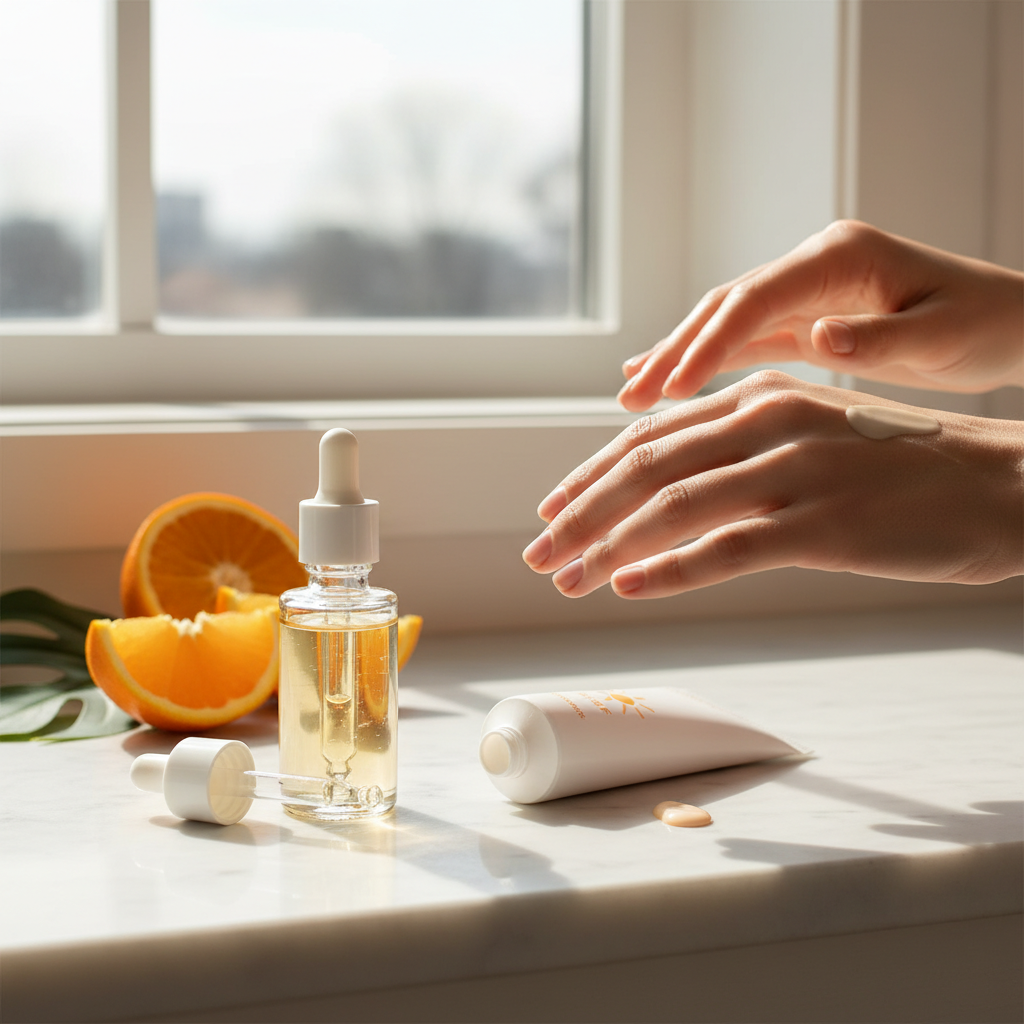
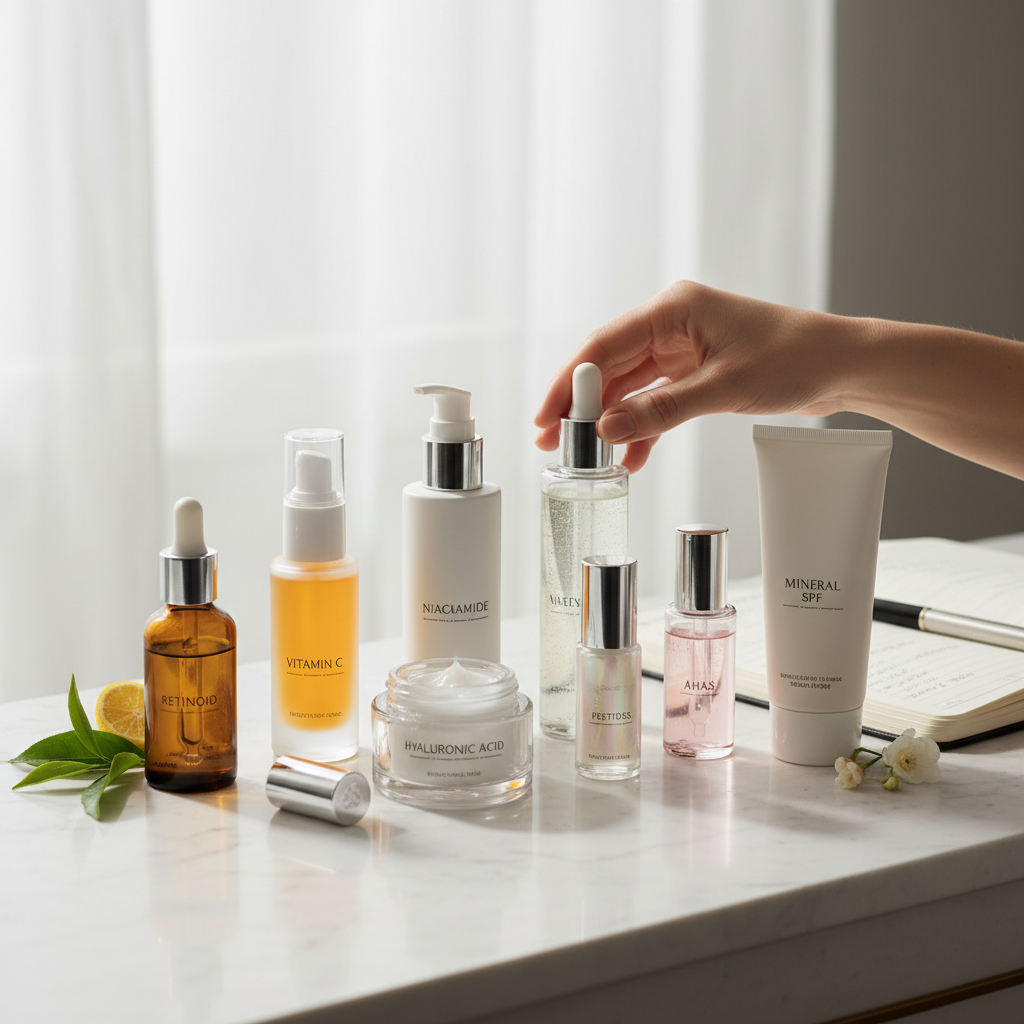
By age 30, incorporating key anti-aging ingredients into your skincare routine is crucial for maintaining skin health and preventing future concerns. Prioritizing retinoids for cell turnover, Vitamin C for antioxidant protection, Niacinamide for barrier support, Hyaluronic Acid for hydration, Peptides for collagen stimulation, AHAs for gentle exfoliation, and a daily Mineral SPF for UV defense lays a strong foundation for lasting radiance and resilience.
Introduction
Reaching your 30s often brings a new perspective on wellness, and skincare is no exception. It’s the perfect time to shift from reactive treatments to a proactive strategy, understanding that the choices you make now will profoundly impact your skin’s health and appearance for decades to come. This isn’t about erasing wrinkles overnight, but about building a resilient, vibrant complexion that stands the test of time.
Why does proactive anti-aging skincare matter by age 30?
Around your late 20s to early 30s, your skin’s natural processes begin to slow down. Collagen and elastin production, the vital proteins responsible for skin’s firmness and elasticity, start to decline. Environmental aggressors like UV radiation and pollution, which you’ve accumulated over the years, begin to manifest as subtle fine lines, uneven tone, and a loss of youthful glow. This is why a “skinvestment” in targeted ingredients becomes paramount.
Proactive skincare by 30 means addressing these changes before they become more pronounced. It’s about fortifying your skin barrier, protecting against further damage, and stimulating your skin’s natural repair mechanisms. By understanding and strategically integrating specific anti-aging ingredients, you empower your skin to better defend itself and maintain its youthful vitality.
What are the 7 essential anti-aging ingredients every woman should know?
1. Retinoids (Retinol, Retinaldehyde, Tretinoin)
Retinoids are often called the gold standard in anti-aging, and for good reason. These Vitamin A derivatives work by accelerating cell turnover, stimulating collagen production, and diminishing the appearance of fine lines, wrinkles, and hyperpigmentation. They also help improve skin texture and elasticity. While retinol is widely available, dermatologists often highlight retinaldehyde (retinal) as a more potent, yet still well-tolerated, over-the-counter option that converts to retinoic acid more efficiently than retinol, offering faster results.
2. Vitamin C (L-Ascorbic Acid and derivatives)
As a powerhouse antioxidant, Vitamin C is essential for protecting your skin from free radical damage caused by UV exposure and pollution. It also plays a crucial role in collagen synthesis, brightens the complexion, and helps to fade dark spots and hyperpigmentation. Look for formulations with L-Ascorbic Acid for maximum efficacy, or stable derivatives like Sodium Ascorbyl Phosphate or Tetrahexyldecyl Ascorbate for sensitive skin.
3. Niacinamide (Vitamin B3)
Niacinamide is a multi-tasking superstar, especially relevant in 2026’s skin barrier-focused landscape. It strengthens the skin’s barrier function, reduces redness and inflammation, minimizes the appearance of pores, regulates oil production, and even offers some antioxidant benefits. It’s incredibly versatile and generally well-tolerated by most skin types, making it an excellent addition to almost any routine.
4. Hyaluronic Acid (HA)
While not strictly an “anti-aging” ingredient in the same vein as retinoids, Hyaluronic Acid is indispensable for maintaining youthful, plump skin. This humectant attracts and holds up to 1,000 times its weight in water, providing intense hydration and instantly plumping up the skin to reduce the appearance of fine lines. Different molecular weights of HA can penetrate to varying depths, offering multi-level hydration.
5. Peptides
Peptides are short chains of amino acids, the building blocks of proteins like collagen and elastin. They act as signaling molecules, telling your skin cells to produce more collagen, repair damage, or relax muscles (in the case of some neuropeptides). While less potent than retinoids, peptides are excellent for boosting firmness, improving elasticity, and smoothing texture, often without irritation. Copper peptides, signal peptides, and matrixyl peptides are popular types to look for.
6. AHAs (Alpha Hydroxy Acids: Glycolic, Lactic)
AHAs are chemical exfoliants that work by dissolving the bonds between dead skin cells, revealing brighter, smoother skin underneath. Glycolic acid is the smallest AHA, penetrating deepest for significant resurfacing, while lactic acid is larger and more hydrating, making it suitable for sensitive or dry skin. Regular, gentle exfoliation with AHAs improves skin texture, tone, and allows other active ingredients to penetrate more effectively.
7. Mineral SPF (Zinc Oxide, Titanium Dioxide)
This is arguably the single most important anti-aging step. Mineral sunscreens, containing zinc oxide and/or titanium dioxide, provide broad-spectrum protection by physically blocking UVA and UVB rays. Consistent daily use prevents collagen breakdown, hyperpigmentation, and the formation of new lines. With advancements in formulation, modern mineral SPFs are less likely to leave a white cast, making daily reapplication more appealing and effective against environmental damage, including blue light.
How can I build an effective anti-aging routine with these ingredients?
Building a routine doesn’t have to be complicated, but consistency is key. Here’s a general framework, adaptable to your specific skin type and concerns:
Morning Routine Essentials
- Gentle Cleanser: Start with a mild cleanse to remove overnight impurities without stripping your skin.
- Vitamin C Serum: Apply a potent Vitamin C serum to provide antioxidant protection against daily environmental aggressors and brighten your complexion.
- Hyaluronic Acid Serum (Optional): If your skin needs an extra hydration boost, layer a hyaluronic acid serum for plumping and moisture.
- Lightweight Moisturizer: Choose a moisturizer that suits your skin type, ideally one containing ceramides or niacinamide to support barrier health.
- Mineral SPF (Non-Negotiable): Finish with a broad-spectrum mineral sunscreen (SPF 30+) every single day, rain or shine. Reapply as needed, especially if outdoors.
Evening Routine Essentials
- Double Cleanse: Use an oil-based cleanser first to break down makeup and sunscreen, followed by a water-based cleanser for a thorough clean.
- Retinoid Serum: Apply your chosen retinoid (retinol, retinaldehyde, or prescription tretinoin) to clean, dry skin. Start 2-3 times a week and gradually increase frequency as tolerated.
- Niacinamide or Peptide Serum: Layer a niacinamide or peptide serum to support skin barrier repair and boost collagen production.
- Rich Moisturizer: Opt for a nourishing moisturizer, ideally containing ceramides, to support skin repair overnight and counteract any potential dryness from retinoids.
- AHA Treatment (2-3x a week): On nights you’re not using a retinoid, you can incorporate a gentle AHA toner or serum for exfoliation, but always alternate and listen to your skin to avoid over-exfoliation.
Drugstore vs. Prestige: Where should I invest my skincare budget?
In 2026, the line between drugstore and prestige skincare continues to blur. While luxury brands often invest in elegant formulations and unique delivery systems, many effective, evidence-backed ingredients are readily available at accessible price points. The key is to prioritize the active ingredients themselves, not just the brand name. The FDA approves certain actives, but many effective ingredients are regulated as cosmetics. Dermatologist consensus often supports the efficacy of well-formulated products regardless of their price tag.
Your investment strategy should focus on areas where formulation stability and potency are critical, such as Vitamin C serums or retinoids. For basics like cleansers and moisturizers, excellent drugstore options often suffice. Here’s a general guide:
| Ingredient Focus | Drugstore Option (Example) | Mid-Range Option (Example) | Prestige Option (Example) | Key Benefit |
|---|---|---|---|---|
| Retinoid | Olay Regenerist Retinol 24 Night Serum | Paula’s Choice Clinical 0.3% Retinol + 2% Bakuchiol Treatment | SkinCeuticals 0.5% Retinol Refining Night Cream | Cell turnover, collagen boost, wrinkle reduction |
| Vitamin C | CeraVe Skin Renewing Vitamin C Serum | Mad Hippie Vitamin C Serum | Drunk Elephant C-Firma Fresh Day Serum | Antioxidant protection, brightening, collagen support |
| Mineral SPF | Neutrogena Mineral UltraSheer Dry-Touch SPF 30 | EltaMD UV Clear Broad-Spectrum SPF 46 | Supergoop! Unseen Sunscreen SPF 40 | Broad-spectrum UV protection, anti-aging defense |
| Niacinamide | The Inkey List Niacinamide Serum | Good Molecules Niacinamide Serum | Paula’s Choice 10% Niacinamide Booster | Barrier repair, pore minimization, redness reduction |
What about skin types and sensitivities?
Understanding your skin type is crucial for tailoring your anti-aging routine.
- Oily/Combination Skin: May tolerate higher concentrations of retinoids and AHAs, and benefit from niacinamide for oil regulation. Look for gel or lightweight serum textures.
- Dry Skin: Needs rich moisturizers and ceramides to support barrier function. Introduce retinoids and AHAs more slowly, and prioritize hydrating ingredients like hyaluronic acid.
- Sensitive Skin: Requires a cautious approach. Start with lower concentrations of actives, introduce one new product at a time, and patch test. Niacinamide is often well-tolerated and beneficial for calming sensitivity. Opt for lactic acid over glycolic, and retinaldehyde over retinol for potentially less irritation.
- Mature Skin: Often benefits from all these ingredients, focusing on hydration, collagen stimulation, and barrier repair.
Always listen to your skin. Redness, excessive dryness, or irritation are signs to reduce frequency or concentration. Consulting with a board-certified dermatologist is always recommended for personalized advice, especially if you have chronic skin conditions.
Frequently Asked Questions
When should I start using retinoids?
Many dermatologists recommend starting retinoids in your mid-to-late 20s or early 30s. This proactive approach helps to stimulate collagen production and prevent the visible signs of aging before they become established, rather than trying to reverse them later.
Can I use all these ingredients together?
While many ingredients like niacinamide, hyaluronic acid, and peptides are compatible, care must be taken with powerful actives like retinoids and AHAs. It’s generally best to use retinoids in your evening routine and Vitamin C in the morning. If using AHAs, alternate them with retinoids (e.g., AHAs on Monday/Wednesday, retinoids on Tuesday/Thursday) to avoid over-exfoliation and irritation. Always introduce new actives one at a time.
How long until I see results?
Skincare is a marathon, not a sprint. While some ingredients like hyaluronic acid can offer immediate plumping, significant changes from retinoids, Vitamin C, or peptides typically take 8-12 weeks of consistent use to become noticeable. Full results can take 6-12 months. Patience and consistency are key.
Are dermal-grade at-home tools worth it?
Dermal-grade at-home tools like LED masks or microcurrent devices can be a valuable addition to an established routine, offering complementary benefits like collagen stimulation or muscle toning. However, they are not a replacement for fundamental active ingredients. Always research thoroughly, follow instructions precisely, and consult a professional if you have concerns, as improper use can lead to adverse effects.
What’s the difference between retinol and retinal?
Retinol and retinal (retinaldehyde) are both types of retinoids. Retinol converts to retinal, which then converts to retinoic acid (the active form that skin cells use). Retinal is one step closer to retinoic acid than retinol, meaning it generally works faster and can be more potent than retinol, often with a similar irritation profile to lower-strength retinols. Prescription tretinoin is pure retinoic acid and is the most potent form.
Conclusion
Empowering yourself with knowledge about these seven essential anti-aging ingredients by age 30 is a powerful step towards a lifetime of healthy, radiant skin. By consistently incorporating them into a thoughtful, personalized routine, you’re not just treating existing concerns, but actively investing in your skin’s future, ensuring it remains resilient, vibrant, and beautiful for years to come.