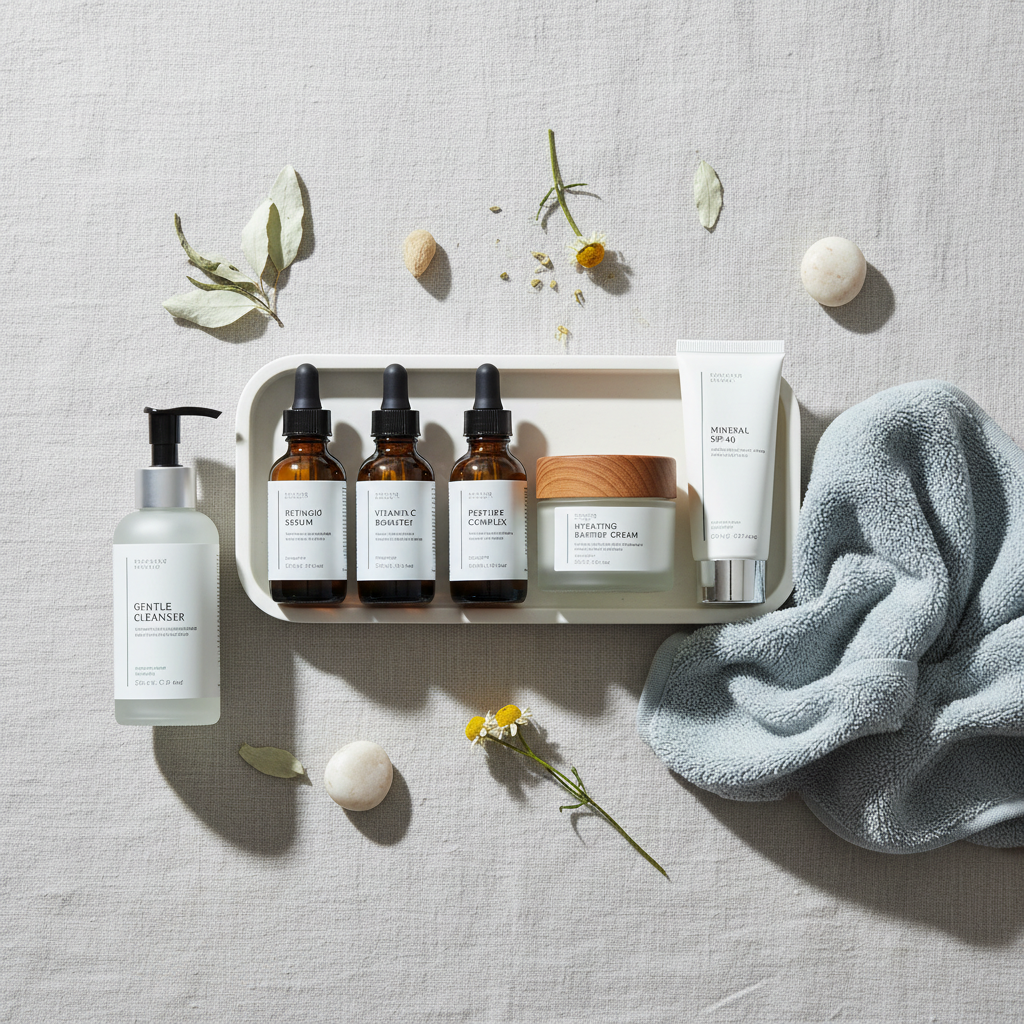
Building an effective skincare routine in your 40s means focusing on key ingredients that address collagen loss, cellular slowdown, and barrier weakening. Prioritize gentle cleansing, powerful serums with retinoids, vitamin C, and peptides, robust hydration, and diligent mineral SPF application. Tailor your product choices to your specific skin type and concerns, remembering that consistency and a holistic approach are paramount for lasting results.
Introduction
Entering your 40s brings a new set of considerations for your skincare routine. While the foundations of good skin health remain, your skin’s needs evolve, demanding a more targeted and supportive approach. This guide will equip you with the knowledge to build a comprehensive, effective routine designed for radiant skin in 2026 and beyond.
What Happens to Your Skin in Your 40s?
As you navigate your 40s, several physiological changes impact your skin’s appearance and health. Collagen and elastin production, vital proteins for skin structure and elasticity, continue to decline, leading to increased fine lines, wrinkles, and a noticeable loss of firmness. Cellular turnover slows down, making skin appear duller and less even in tone. Your skin’s natural barrier function can also become compromised, resulting in increased dryness, sensitivity, and a reduced ability to retain moisture. Hormonal fluctuations, often starting in this decade, can further influence oil production and contribute to occasional breakouts or increased dryness. Understanding these shifts is the first step toward building a routine that truly supports your skin.
What Are the Non-Negotiable Steps for a 40s Skincare Routine?
While the specific products may vary, the core steps of an effective skincare routine remain steadfast. For your 40s, the emphasis shifts to gentleness, targeted treatment, and robust protection.
Cleansing: Gentle is Key
Start and end your day with a gentle cleanser. In your 40s, harsh cleansers can strip your skin of its natural oils, further compromising a potentially weakened skin barrier. Opt for hydrating cream, oil, or balm cleansers that remove impurities and makeup without leaving your skin feeling tight or dry. A double cleanse in the evening can be beneficial, starting with an oil-based cleanser to dissolve makeup and SPF, followed by a water-based one.
Serums: Your Power Players
Serums are the workhorses of your routine, delivering concentrated active ingredients deep into the skin. This is where you’ll target specific concerns like wrinkles, hyperpigmentation, and loss of firmness. In your 40s, a well-chosen serum can make a significant difference. You might layer serums or use different ones morning and night to maximize benefits.
Moisturizing: Hydration and Barrier Support
A high-quality moisturizer is crucial for locking in hydration and supporting your skin’s barrier function. Look for formulas rich in ceramides, hyaluronic acid, and fatty acids to replenish moisture and strengthen the skin. Even if you have oily skin, adequate hydration is essential to prevent your skin from overproducing oil to compensate for dryness. A good moisturizer also helps to create a smooth canvas for makeup.
Sun Protection: The Ultimate Anti-Aging Step
Daily, year-round sun protection is non-negotiable, especially in your 40s when past sun damage becomes more apparent. UVA and UVB rays contribute to collagen breakdown, hyperpigmentation, and the formation of wrinkles. A broad-spectrum SPF 30 or higher, ideally a mineral sunscreen with zinc oxide and/or titanium dioxide, is essential every single morning. Remember to reapply every two hours when exposed to direct sunlight, or more frequently if swimming or sweating.
Which Actives Truly Deliver Results for Mature Skin?
Navigating the vast world of skincare ingredients can be daunting. Here are the powerhouse actives dermatologists consistently recommend for skin in its 40s, explaining how they work:
Retinoids (Retinol & Retinal): The Gold Standard
Retinoids are vitamin A derivatives that accelerate cell turnover, stimulate collagen production, and reduce the appearance of fine lines, wrinkles, and hyperpigmentation. Retinol is a common over-the-counter form, while retinal (retinaldehyde) is a newer, more potent over-the-counter option that converts to retinoic acid more efficiently in the skin, often providing faster results with potentially less irritation for some users.
Vitamin C: Brightening and Protecting
A powerful antioxidant, Vitamin C (L-Ascorbic Acid being the most studied form) protects skin from environmental damage, brightens complexion, reduces hyperpigmentation, and supports collagen synthesis. Apply it in the morning to leverage its protective benefits.
Niacinamide: The Multi-Tasker
Also known as Vitamin B3, Niacinamide strengthens the skin barrier, reduces inflammation and redness, minimizes pore appearance, and can help regulate oil production. It’s well-tolerated by most skin types and pairs well with other actives.
Hyaluronic Acid & Ceramides: Hydration and Barrier Repair
Hyaluronic Acid is a humectant that attracts and holds up to 1,000 times its weight in water, providing intense hydration and plumping the skin. Ceramides are lipids naturally found in the skin barrier that help maintain moisture and protect against environmental aggressors. Both are crucial for maintaining a healthy, hydrated barrier.
Peptides: Building Blocks for Firmness
Peptides are short chains of amino acids that act as messengers, signaling the skin to produce more collagen, elastin, or other beneficial proteins. Different types of peptides target specific concerns, such as firmness, elasticity, or wrinkle reduction.
AHAs & BHAs: Gentle Exfoliation
Alpha Hydroxy Acids (AHAs) like glycolic and lactic acid gently exfoliate the skin’s surface, improving texture and tone. Beta Hydroxy Acids (BHAs) like salicylic acid are oil-soluble, making them excellent for decongesting pores and managing breakouts, even in mature skin. Gentle exfoliation once or twice a week helps promote cell turnover without irritation.
How Do I Choose the Right Products for My Skin Type?
Understanding your skin type is crucial for selecting products that work with, not against, your skin.
Oily/Combination Skin
Even in your 40s, oily skin can still present challenges like shine and enlarged pores, though often less intensely than in younger years. Focus on lightweight, non-comedogenic formulas. Gel cleansers, oil-free moisturizers, and serums with niacinamide or salicylic acid can be beneficial. Don’t skip moisturizer, as stripping your skin can trigger more oil production.
Dry Skin
Dryness often becomes more pronounced in your 40s. Prioritize rich, emollient cleansers and moisturizers packed with ceramides, hyaluronic acid, and nourishing oils. Layering hydrating serums under your moisturizer can significantly boost moisture levels. Avoid harsh exfoliants and very hot water.
Sensitive Skin
Sensitive skin requires a minimalist approach. Introduce new products one at a time and patch test. Look for fragrance-free, hypoallergenic formulas. Niacinamide and ceramides are excellent for strengthening the skin barrier and reducing reactivity. If using retinoids or AHAs, start with very low concentrations and gradually increase frequency.
Drugstore vs. Prestige: Where Should I Invest?
The good news in 2026 is that effective skincare isn’t solely reserved for high-end brands. Many drugstore brands now formulate with dermatologist-recommended, FDA-approved active ingredients in stable, effective concentrations. The key difference often lies in formulation elegance, texture, packaging, and the inclusion of proprietary complexes or a wider range of supporting ingredients. For essential actives like retinoids, vitamin C, and SPF, excellent drugstore options exist. You might choose to invest more in a prestige serum for a luxurious experience or a unique peptide blend, but don’t feel pressured to spend a fortune to see results. Dermatologist consensus often highlights the active ingredient, not necessarily the brand name, as the most critical factor.
Beyond Products: Lifestyle Habits for Radiant Skin in Your 40s
Skincare isn’t just about what you put on your face; it’s also about how you live. Holistic habits significantly impact your skin’s health and appearance.
- Prioritize Sleep: Aim for 7-9 hours of quality sleep nightly. During sleep, your skin repairs itself, produces collagen, and recovers from daily stressors.
- Manage Stress: Chronic stress can trigger inflammation and exacerbate skin conditions. Incorporate stress-reducing activities like meditation, yoga, or spending time in nature.
- Eat a Balanced Diet: A diet rich in antioxidants (from fruits and vegetables), healthy fats (omega-3s), and lean protein supports skin health from within.
- Stay Hydrated: Drinking adequate water throughout the day helps maintain skin plumpness and elasticity.
- Regular Exercise: Boosts circulation, delivering oxygen and nutrients to skin cells and promoting a healthy glow.
- Avoid Smoking: Smoking significantly accelerates skin aging, leading to premature wrinkles and a dull complexion.
- Limit Alcohol Intake: Excessive alcohol can dehydrate the skin and contribute to redness and inflammation.
Comparing Popular Anti-Aging Serums for Your 40s
Choosing the right serum can feel overwhelming. Here’s a comparison of common types you might consider:
| Serum Type | Primary Active Ingredients | Key Benefits for 40s Skin | Best For | Application Timing |
|---|---|---|---|---|
| Retinoid Serum | Retinol, Retinal, Bakuchiol (plant-based alternative) | Reduces fine lines/wrinkles, improves texture, evens tone, boosts collagen. | Most skin types (start slow for sensitive), targeting aging concerns. | PM only, 2-3 times/week increasing to nightly. |
| Vitamin C Serum | L-Ascorbic Acid, Tetrahexyldecyl Ascorbate (THD Ascorbate) | Antioxidant protection, brightens complexion, fades hyperpigmentation, supports collagen. | All skin types, especially those with dullness or sun damage. | AM only, daily. |
| Peptide Complex Serum | Various Peptides (e.g., Matrixyl, Argireline, Copper Peptides) | Improves firmness and elasticity, reduces appearance of expression lines, supports skin repair. | All skin types, particularly concerned with loss of firmness. | AM and/or PM, daily. |
| Hyaluronic Acid + Ceramide Serum | Hyaluronic Acid (various molecular weights), Ceramides, Cholesterol, Fatty Acids | Deep hydration, strengthens skin barrier, reduces dryness and sensitivity, plumps skin. | Dry, sensitive, or dehydrated skin, or anyone needing barrier support. | AM and/or PM, daily. |
Frequently Asked Questions
How often should I exfoliate in my 40s?
For most women in their 40s, gentle exfoliation 1-2 times per week is sufficient. Over-exfoliating can compromise your skin barrier, leading to irritation and dryness. Listen to your skin and adjust frequency based on its response.
Can I use multiple active ingredients at once?
Yes, but with caution. Many actives can be layered effectively (e.g., Vitamin C in the morning, Retinoid at night). However, avoid combining highly potent actives like retinoids and strong AHAs in the same routine, especially when starting out. Introduce new actives one at a time to observe your skin’s reaction.
Are at-home dermal tools worth it in 2026?
The market for at-home dermal tools, such as LED masks and microcurrent devices, has expanded significantly by 2026. While they don’t replace professional treatments, many users report noticeable improvements in tone, texture, and firmness with consistent use. Look for devices with FDA clearance and read reviews carefully. Start with a lower intensity and follow instructions precisely.
How do I reapply sunscreen over makeup?
Reapplying liquid sunscreen over makeup can be tricky. In 2026, several options exist: translucent SPF setting sprays, powder sunscreens with a brush applicator, or SPF sticks that can be dabbed and blended. Ensure your chosen method provides adequate coverage and reapply every two hours when in direct sun.
What’s the difference between retinol and retinal?
Both are forms of Vitamin A (retinoids), but retinal (retinaldehyde) is one step closer to retinoic acid (the active form) than retinol. This means retinal generally works faster and can be more potent than retinol, potentially offering quicker results with less conversion required by the skin. However, it can also be slightly more irritating for some, so starting slow is key.
Conclusion
Building a skincare routine in your 40s is about smart choices, consistency, and understanding your evolving skin. By focusing on gentle care, powerhouse ingredients like retinoids and Vitamin C, robust hydration, and diligent sun protection, you can effectively address common concerns and maintain a healthy, radiant complexion. Remember that skincare is a journey, and adapting your routine as your skin changes will lead to the best long-term results.