Understanding SPF is crucial for protecting your skin from sun damage. For daily, incidental sun exposure, dermatologists widely recommend a broad-spectrum sunscreen with an SPF of 30. However, for extended outdoor activity or if you have specific skin concerns like hyperpigmentation, an SPF of 50 or higher offers enhanced protection and is often a better choice.
Introduction
In the evolving landscape of skincare, one truth remains constant: daily sun protection is non-negotiable. As we navigate 2026, with its focus on skin barrier health and personalized routines, the science behind sunscreen has become more refined, and consumer awareness is at an all-time high. But with so many options, what does “SPF factor” truly mean, and how do you choose the right level of protection for your daily life?
What Exactly is SPF Factor, and Why Does it Matter?
SPF stands for Sun Protection Factor, and it’s a measure of how well a sunscreen protects your skin from ultraviolet B (UVB) rays. UVB rays are the primary cause of sunburn and contribute significantly to skin cancer. When you see an SPF number, it indicates the theoretical amount of time you can stay in the sun without burning compared to not wearing sunscreen. For instance, if your skin normally starts to redden after 10 minutes in the sun, an SPF 30 sunscreen would theoretically allow you to stay out for 300 minutes (30 times longer) before burning.
Understanding UVA vs. UVB Protection
While SPF primarily measures UVB protection, it’s vital to look for sunscreens labeled “broad-spectrum.” This signifies that the product also protects against ultraviolet A (UVA) rays. UVA rays penetrate deeper into the skin, contributing to premature aging (photoaging), wrinkles, sunspots, and also play a role in skin cancer development. In 2026, the consensus among dermatologists is clear: broad-spectrum protection is paramount for comprehensive skin health.
Why is Daily Sunscreen a Non-Negotiable Part of My Skincare Routine?
The benefits of daily sunscreen extend far beyond preventing sunburn. Consistent use is a cornerstone of anti-aging, hyperpigmentation management, and, most critically, skin cancer prevention. Even on cloudy days or when indoors near windows, UV radiation can reach your skin, causing subtle damage over time.
- Prevents Photoaging: UVA rays are notorious for breaking down collagen and elastin, leading to fine lines, wrinkles, and sagging skin. Daily SPF use significantly slows this process.
- Reduces Hyperpigmentation: Sun exposure triggers melanin production, worsening existing dark spots (like post-inflammatory hyperpigmentation or melasma) and causing new ones. Sunscreen is essential for managing and preventing these concerns.
- Lowers Skin Cancer Risk: Both UVA and UVB rays contribute to the development of all types of skin cancer, including melanoma, basal cell carcinoma, and squamous cell carcinoma. Regular, adequate sun protection is your best defense.
- Maintains Skin Barrier Health: Sunburn and chronic sun exposure can compromise the skin barrier, leading to increased sensitivity, dryness, and vulnerability to environmental stressors. Protecting your skin helps maintain its integrity.
What SPF Number is Truly Necessary for Daily Protection?
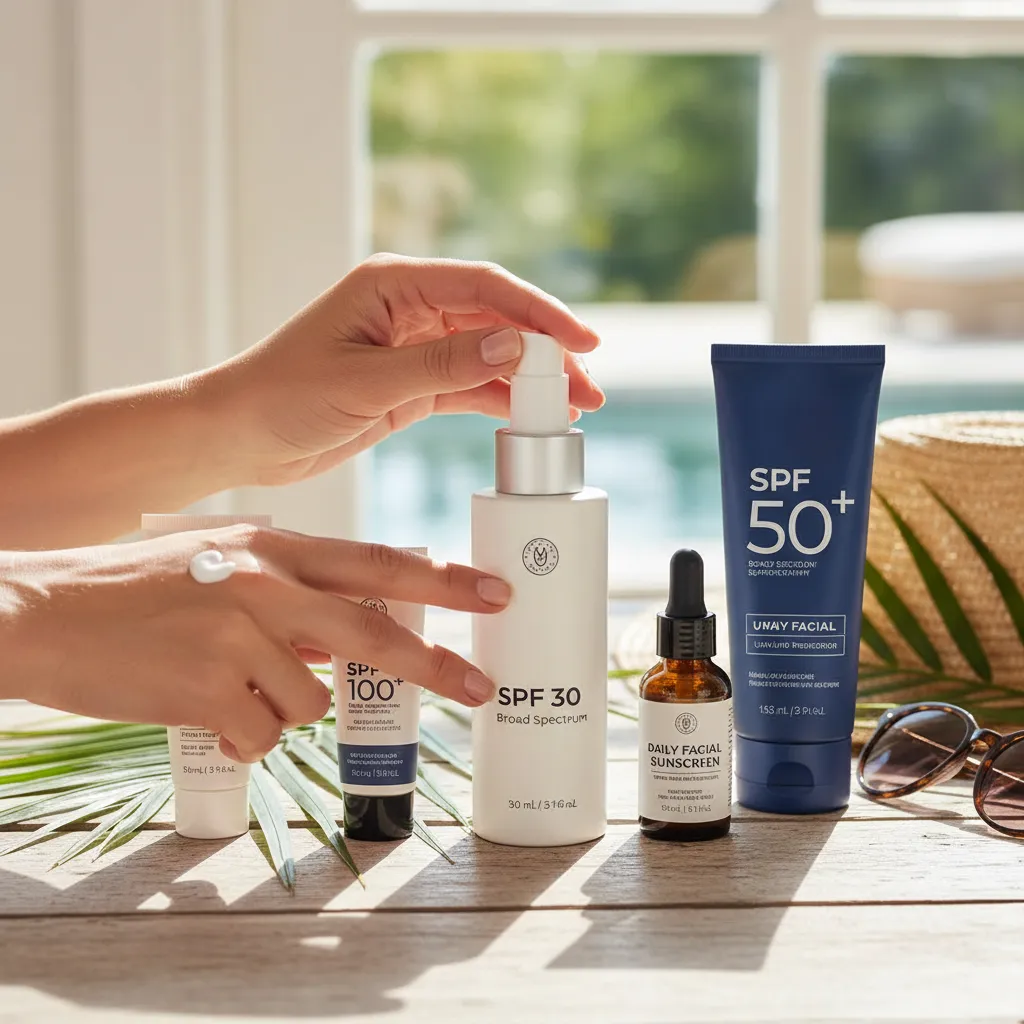
This is perhaps the most common question, and the answer often comes down to dermatologist consensus and lifestyle. For daily, incidental sun exposure – think commuting, running errands, or short periods outdoors – an SPF 30 is generally considered the minimum effective level.
SPF 30 vs. SPF 50+: What’s the Real Difference?
The protection curve for SPF isn’t linear.
- SPF 15: Blocks approximately 93% of UVB rays.
- SPF 30: Blocks approximately 97% of UVB rays.
- SPF 50: Blocks approximately 98% of UVB rays.
- SPF 100: Blocks approximately 99% of UVB rays.
While the percentage difference between SPF 30 and SPF 50+ might seem small, that extra 1-2% can be significant, especially during prolonged sun exposure. For those with a history of skin cancer, a predisposition to hyperpigmentation (like melasma), or extended outdoor activities, an SPF 50 or higher offers a valuable margin of safety. The FDA has also noted that higher SPFs provide more protection, debunking older claims that SPF 50 was the maximum effective level. The key is consistent application and reapplication, regardless of the SPF number.
How Do Mineral and Chemical Sunscreens Compare?
The choice between mineral and chemical sunscreens is often a personal one, influenced by skin type, aesthetic preference, and ingredient sensitivities. Both types, when broad-spectrum, provide effective protection.
Mineral Sunscreens (Physical Blockers)
Mineral sunscreens create a physical barrier on the skin’s surface, reflecting UV rays.
- Active Ingredients: Primarily zinc oxide and titanium dioxide.
- How they work: Sit on top of the skin, reflecting UV radiation away.
- Pros: Generally well-tolerated by sensitive skin, effective immediately upon application, often recommended for children and those with rosacea or eczema. Newer formulations are less likely to leave a white cast.
- Cons: Can sometimes feel thicker or leave a slight white cast, especially on deeper skin tones, though micronized and tinted versions have largely mitigated this in 2026.
Chemical Sunscreens (Organic Filters)
Chemical sunscreens absorb UV rays and convert them into heat, which is then released from the skin.
- Active Ingredients: Common FDA-approved actives in the US include avobenzone, oxybenzone, octinoxate, octisalate, homosalate, and octocrylene. Newer filters common in other regions are still awaiting full FDA approval.
- How they work: Absorb UV radiation and convert it into heat.
- Pros: Tend to be lighter in texture, less likely to leave a white cast, and often blend seamlessly into the skin, making them popular for daily wear under makeup.
- Cons: May cause irritation in very sensitive individuals, require about 15-20 minutes to become fully effective after application, and some older filters (like oxybenzone) have raised environmental and health concerns, leading many brands to formulate without them.
Choosing the Best Sunscreen for Your Skin Type
Finding your ideal sunscreen means considering your unique skin needs. A product that feels amazing on oily skin might be too drying for mature skin, and vice-versa.
For Oily or Acne-Prone Skin
Look for lightweight, non-comedogenic (won’t clog pores) formulas. Gel or fluid textures are often preferred. Ingredients like niacinamide can help regulate oil production, while salicylic acid can address breakouts. Many mineral sunscreens with a matte finish also work well.
For Dry or Mature Skin
Opt for hydrating formulas that offer a dewy finish. Look for ingredients like hyaluronic acid, ceramides, and glycerin. Richer cream textures, often with added antioxidants like Vitamin C, can be beneficial. Peptides can also support skin firmness.
For Sensitive Skin
Mineral sunscreens (zinc oxide, titanium dioxide) are often the safest bet, as they are less likely to cause irritation. Avoid sunscreens with added fragrances, essential oils, or common chemical filters like oxybenzone if you’ve experienced sensitivity in the past. Ceramides can help bolster a compromised skin barrier.
For Combination Skin
You might need to experiment. Many modern formulations are designed to be balanced. A lightweight fluid or lotion that isn’t too matte or too dewy often strikes the right balance. Products with a skin barrier focus, incorporating ingredients like ceramides and niacinamide, can be particularly helpful.
Sunscreen Application: Are You Doing It Right?
Even the highest SPF won’t protect you if not applied correctly. This is where the “reapplication science” of 2026 truly shines.
- Apply Generously: Most people don’t use enough. A good rule of thumb for the face and neck is about a nickel-sized amount, or two finger-lengths of product. For the body, aim for a shot glass full.
- Apply as the Last Step: After your serums and moisturizers, but before makeup. This ensures an even protective layer.
- Don’t Forget Key Areas: Ears, neck, chest, back of hands, and around the eyes (if the product is eye-safe) are often missed.
- Reapply Diligently: This is critical. Sunscreen should be reapplied every two hours, or immediately after swimming, sweating heavily, or towel drying. This holds true even for water-resistant formulas.
- Consider Reapplication Tools: Sprays and sticks are convenient for reapplication over makeup or on the go, but ensure you’re applying enough product for adequate coverage.
Integrating Sunscreen with Your Skincare Actives
Sunscreen isn’t an isolated step; it complements your entire routine. In fact, many powerful actives make daily SPF even more crucial.
- Retinol/Retinal: These Vitamin A derivatives (retinal is a more potent precursor to retinoic acid than retinol, a 2026 trend) are fantastic for cell turnover and anti-aging but can increase sun sensitivity. Daily broad-spectrum SPF is non-negotiable.
- Vitamin C: A powerful antioxidant, Vitamin C helps neutralize free radicals caused by UV exposure, making it an excellent partner for sunscreen.
- AHAs (Alpha Hydroxy Acids) & Salicylic Acid: Exfoliants like glycolic acid (AHA) and salicylic acid (BHA) reveal fresh skin, which is more vulnerable to the sun. SPF is essential to prevent damage and hyperpigmentation.
- Niacinamide: This versatile B vitamin supports skin barrier function and can help reduce redness and hyperpigmentation. It pairs beautifully with sunscreen to enhance overall skin health.
- Hyaluronic Acid & Ceramides: These hydrating and barrier-supporting ingredients ensure your skin is healthy and resilient, creating a better canvas for effective sun protection.
Comparing Popular Sunscreen Formulations for Different Needs
To give you a clearer picture, here’s a comparison of different sunscreen types you might encounter in the US market, from drugstore staples to prestige options, all meeting FDA requirements for active ingredients.
| Sunscreen Type/Focus | Key Features & Benefits | Ideal Skin Type/Concern | Common Actives |
|---|---|---|---|
| Everyday Lightweight Fluid (SPF 30-50) | Sheer, fast-absorbing, non-comedogenic. Often includes antioxidants. Excellent for daily wear under makeup. | Oily, Combination, Normal, Acne-Prone | Avobenzone, Octinoxate, Octisalate, Zinc Oxide |
| Hydrating Mineral Cream (SPF 40-50) | Rich, moisturizing, often tinted to minimize white cast. Good for barrier support. | Dry, Sensitive, Mature, Post-Procedure | Zinc Oxide, Titanium Dioxide, Ceramides, Hyaluronic Acid |
| Water-Resistant Sport Formula (SPF 50+) | Durable, sweat- and water-resistant for up to 80 minutes. Designed for active lifestyles. | All (especially active individuals, swimmers) | Avobenzone, Homosalate, Octisalate, Octocrylene |
| Targeted Anti-Aging SPF (SPF 50) | Combines sun protection with anti-aging ingredients like peptides, Vitamin C, or advanced antioxidants. | Mature, Concerns about Photoaging, Hyperpigmentation | Zinc Oxide, Avobenzone, Peptides, Vitamin C |
Frequently Asked Questions
Can I rely on the SPF in my makeup or moisturizer?
While an SPF boost from makeup or moisturizer is better than nothing, it’s generally not sufficient for full protection. The amount of product you’d need to apply to achieve the stated SPF is far more than most people typically use. Always apply a dedicated broad-spectrum sunscreen as the last step in your skincare routine.
Do I need sunscreen if I’m mostly indoors or it’s cloudy?
Yes! Up to 80% of UV rays can penetrate clouds, and UVA rays can pass through windows. Consistent daily sunscreen use, even indoors or on overcast days, helps prevent cumulative damage that leads to photoaging and skin cancer.
What about blue light protection? Do I need a special sunscreen?
While blue light from screens can contribute to skin aging and hyperpigmentation, the sun is a far more significant source. Many mineral sunscreens (containing zinc oxide and titanium dioxide) offer some inherent blue light protection. Additionally, antioxidants like iron oxides (often found in tinted sunscreens) and Vitamin C can help mitigate blue light damage. A broad-spectrum SPF 30-50+ is your primary defense.
How often should I reapply sunscreen if I’m wearing makeup?
Reapplication is crucial. Options include using a sunscreen mist or spray over makeup, though ensure you’re applying enough for adequate coverage. Another popular 2026 trend is using a powder sunscreen brush for touch-ups, or gently pressing a fluid sunscreen onto the skin with a beauty blender. The key is to find a method that works for you to maintain protection every two hours.
Are “dermal-grade” at-home tools a substitute for sunscreen?
Absolutely not. While at-home tools like LED masks, microcurrent devices, or facial massagers can offer benefits for skin health and appearance, they do not provide any sun protection. Sunscreen remains the foundation of a healthy skincare routine, especially when using tools that might enhance product penetration or stimulate cellular activity.
Conclusion
In 2026, the science is undeniable: daily, broad-spectrum sun protection is the single most impactful step you can take for your skin’s health and appearance. While an SPF 30 provides excellent daily defense, opting for SPF 50 or higher offers an added layer of security, especially for those with specific skin concerns or extended outdoor exposure. Prioritize consistent application and reapplication, choose a formula that suits your skin type, and embrace sunscreen not as an optional extra, but as the cornerstone of your radiant, protected future.