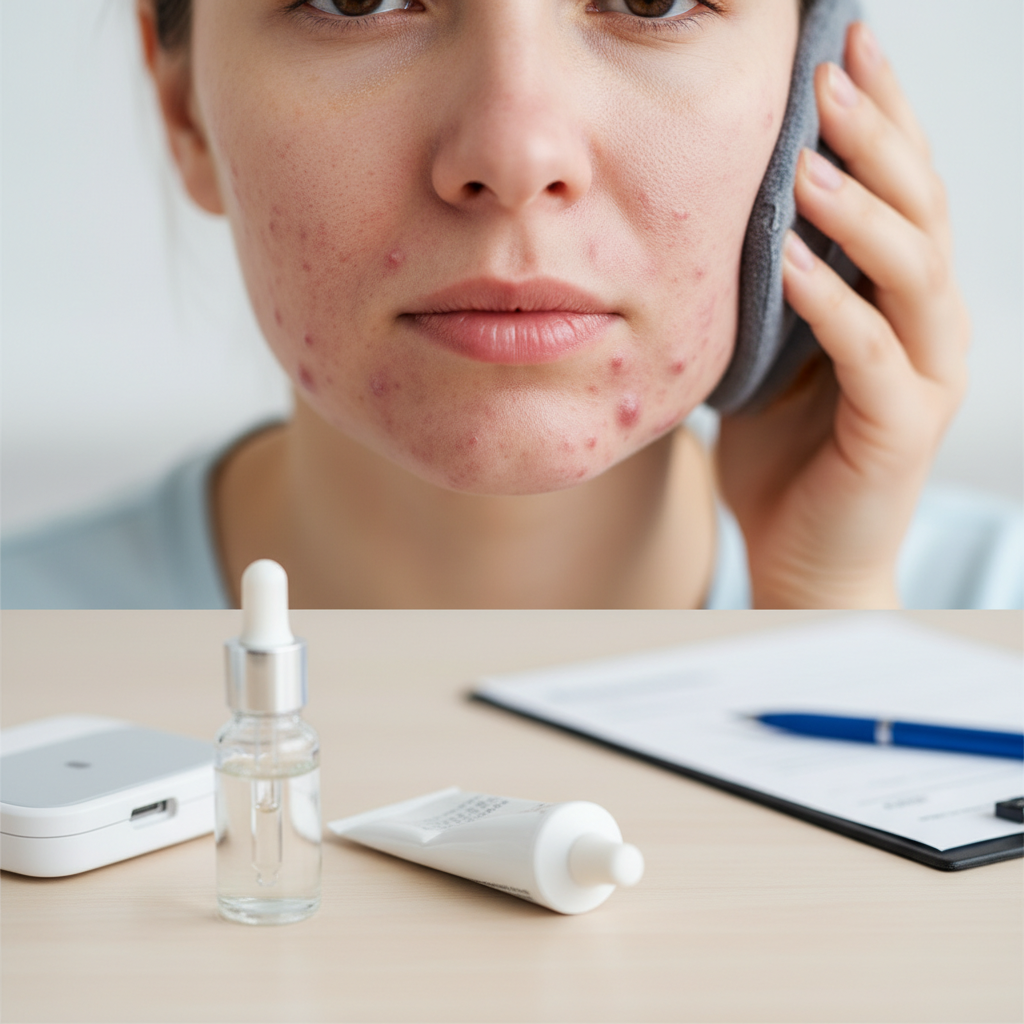
As spring arrives in the US Midwest, transitioning your skincare means swapping heavy winter creams for lighter hydrators, boosting antioxidant protection, and significantly upping your SPF game to combat fluctuating weather, increased sun exposure, and environmental stressors. Focus on gentle exfoliation, barrier support, and smart ingredient choices to maintain healthy, radiant skin.
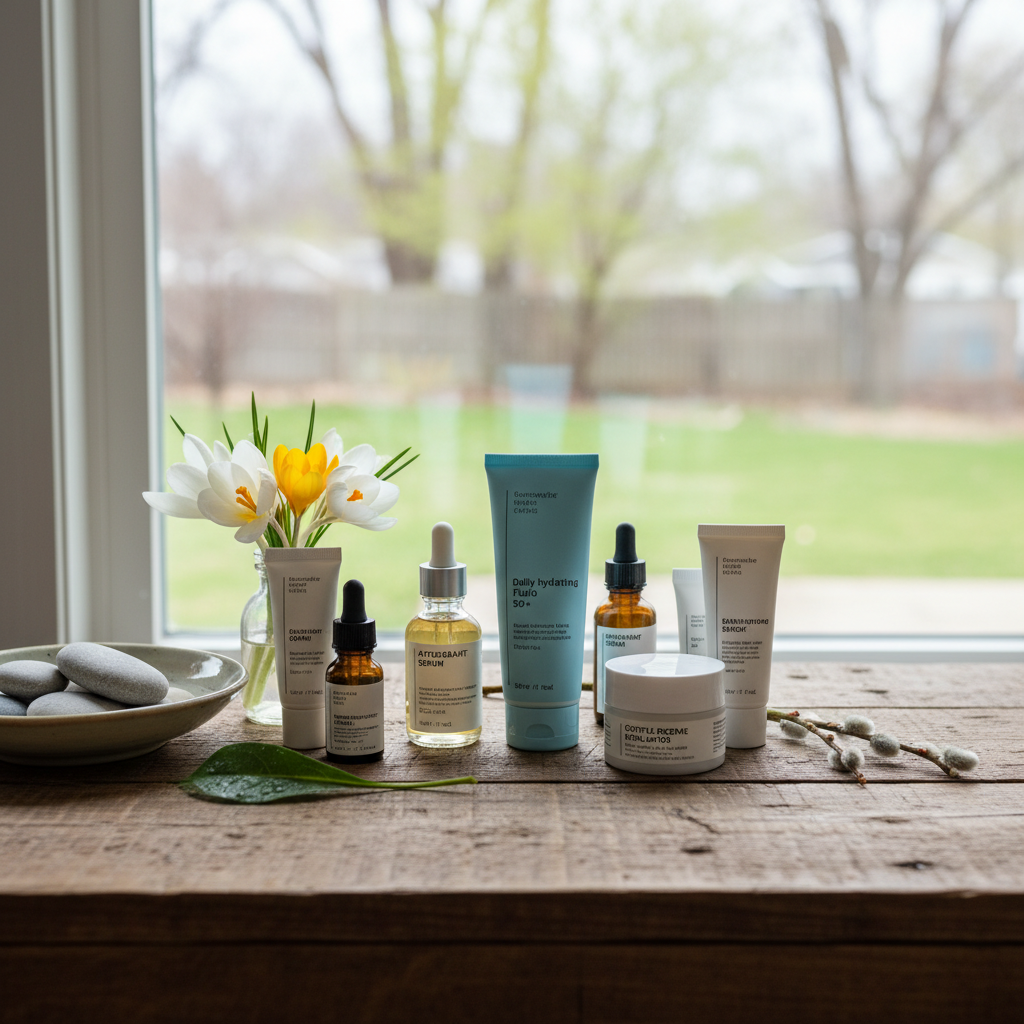
Introduction
The US Midwest spring is a season of delightful anticipation, but for your skin, it can be a challenging rollercoaster. One day it’s frosty, the next it’s surprisingly warm and humid, often accompanied by strong winds and an increase in airborne allergens. This unpredictable environment demands a strategic shift in your skincare routine to protect your skin barrier, prevent breakouts, and prepare for the stronger summer sun. Let’s dive into how to effectively transition your regimen for a healthy, glowing spring.
Why Does Spring in the Midwest Demand a Skincare Change?
Winter in the Midwest typically means dry, cold air, often leading to dehydrated, compromised skin that craves rich, occlusive moisturizers. Spring, however, brings a complex mix:
- Fluctuating Temperatures: Rapid swings from cool mornings to warm afternoons can confuse your skin, leading to increased oil production in some areas and continued dryness in others.
- Rising Humidity: As humidity increases, your skin’s hydration needs shift. Heavy occlusives that were beneficial in winter can now feel suffocating and contribute to clogged pores.
- Increased Sun Exposure: Days lengthen, and UV index levels rise, even on cloudy days. Sun protection becomes paramount to prevent photodamage and premature aging.
- Environmental Allergens: Pollen and other irritants become prevalent, potentially triggering sensitivity, redness, and itching, particularly for those with reactive skin types.
- Wind Exposure: Persistent spring winds can strip the skin of its natural oils, leading to irritation and a compromised skin barrier, even as temperatures rise.
Ignoring these shifts can lead to issues like increased breakouts, congestion, uneven skin tone, and heightened sensitivity. A proactive approach ensures your skin remains balanced and resilient.
What Are the Essential Steps for a Spring Skincare Routine?
Think of your spring routine as a gentle pivot, not a complete overhaul. The core principles remain: cleanse, treat, moisturize, protect. But the *types* of products within each step will adapt.
Cleansing: Opt for Gentle, Effective Formulas
If you switched to a super-rich, hydrating cleanser for winter, spring is the time to lighten up. Look for cleansers that remove impurities and excess oil without stripping your skin.
- For Oily/Combination Skin: A foaming or gel cleanser with mild surfactants can help manage increased oil production. Ingredients like salicylic acid (a beta-hydroxy acid, BHA) can be beneficial here, penetrating oil to exfoliate inside pores and reduce breakouts.
- For Dry/Sensitive Skin: Continue using a creamy or milky cleanser, but ensure it rinses clean without leaving a heavy film. Avoid harsh sulfates that can exacerbate dryness or irritation.
Exfoliation: Gentle Renewal is Key
Winter can leave a buildup of dead skin cells. Spring is an excellent time to gently slough them away to reveal brighter, smoother skin, but proceed with caution.
- Chemical Exfoliants: AHAs (Alpha Hydroxy Acids) like glycolic or lactic acid, or BHAs like salicylic acid, are excellent choices. AHAs work on the skin’s surface to loosen dead skin cells, improving texture and tone. BHAs are oil-soluble, making them ideal for congested or acne-prone skin. Start with a lower concentration (e.g., 5-8% AHA) 2-3 times a week.
- Enzyme Exfoliants: For very sensitive skin, fruit enzymes (papaya, pineapple) offer a gentler alternative, dissolving dead skin cells without harsh abrasion or strong acids.
- Avoid Over-Exfoliation: This is crucial, especially as you increase sun exposure. Over-exfoliating can compromise your skin barrier, leading to increased sensitivity and redness.
Treatments: Boost Antioxidants and Barrier Support
Spring is the ideal time to introduce or increase antioxidant-rich serums to combat free radical damage from increased UV exposure and environmental pollutants.
- Vitamin C: A powerful antioxidant that brightens skin, evens tone, and boosts collagen production. Look for formulations with L-ascorbic acid (the pure form of Vitamin C) at concentrations of 10-20% for optimal efficacy. Apply in the morning.
- Niacinamide: Also known as Vitamin B3, niacinamide is a multi-tasking ingredient that helps strengthen the skin barrier, reduce inflammation, minimize pore appearance, and regulate oil production. It’s excellent for all skin types and can be used morning or night.
- Retinoids: If you use retinol or retinal (a more potent retinoid, a step closer to prescription tretinoin), continue to do so. They are vital for cell turnover, collagen stimulation, and addressing fine lines and discoloration. However, be extra diligent with SPF, as retinoids increase sun sensitivity. Consider reducing frequency if your skin feels more reactive due to environmental factors.
- Hyaluronic Acid: While not a treatment in the traditional sense, a lightweight serum with hyaluronic acid (a humectant that draws moisture into the skin) can provide ample hydration without the heaviness of richer creams.
Moisturizing: Lighten Up Your Hydration
This is where one of the most significant shifts occurs. Swap those heavy winter balms for lighter lotions or gel-creams.
- For Oily/Combination Skin: Look for oil-free or non-comedogenic gel moisturizers. Ingredients like ceramides (lipids that help form the skin’s barrier) and peptides (amino acid chains that signal skin cells to perform specific functions, like collagen production) are excellent for barrier support without adding heaviness.
- For Dry/Sensitive Skin: A lightweight lotion or cream still containing humectants (like hyaluronic acid, glycerin) and emollients (like squalane, fatty acids) will provide necessary hydration without feeling occlusive.
Sun Protection: Your Non-Negotiable Spring Essential
With increasing UV index, sunscreen becomes the most critical step. Dermatologist consensus in 2026 continues to emphasize daily, year-round use.
- Minimum SPF 30: Always choose a broad-spectrum sunscreen with an SPF of 30 or higher.
- Mineral vs. Chemical: Mineral sunscreens (containing zinc oxide and/or titanium dioxide) are often preferred for sensitive skin as they sit on the skin’s surface and reflect UV rays. Chemical sunscreens absorb UV radiation and convert it into heat. Both are effective; choose based on preference and skin type.
- Reapplication: The science of sunscreen reapplication is clearer than ever: reapply every two hours, or immediately after swimming or heavy sweating. Consider a sunscreen stick or powder for convenient reapplication over makeup.
Which Hydrators & SPFs Should I Consider for Spring?
Choosing the right products can feel overwhelming. Here’s a comparison of common types of moisturizers and sunscreens suitable for spring, considering different needs and the drugstore vs. prestige spectrum.
| Product Category | Example (Brand/Type) | Key Ingredients/Benefits | Ideal For |
|---|---|---|---|
| Lightweight Moisturizer (Drugstore) | CeraVe PM Facial Moisturizing Lotion | Niacinamide, Ceramides, Hyaluronic Acid. Supports barrier, non-comedogenic. | All skin types, especially normal to oily, sensitive. Excellent barrier support. |
| Gel-Cream Moisturizer (Prestige) | Tatcha The Water Cream | Japanese botanicals, Hyaluronic Acid. Provides deep hydration without weight. | Normal to oily, combination skin. Luxurious feel, quick absorption. |
| Mineral Sunscreen (Drugstore) | La Roche-Posay Anthelios Mineral Sunscreen SPF 50 | Zinc Oxide, Titanium Dioxide. Broad-spectrum, gentle, often tinted to minimize white cast. | Sensitive skin, post-procedure, anyone preferring physical block. |
| Chemical Sunscreen (Prestige) | Supergoop! Unseen Sunscreen SPF 40 | Avobenzone, Homosalate, Octisalate, Octocrylene. Invisible, primer-like finish, no white cast. | All skin types, especially those who dislike traditional sunscreen feel. |
| Hydrating Serum (All Price Points) | The Ordinary Hyaluronic Acid 2% + B5 | Hyaluronic Acid, Panthenol (Vitamin B5). Boosts hydration, soothes skin. | All skin types, as an extra hydration layer under moisturizer. |
How Do I Address Common Spring Skin Concerns in the Midwest?
What About Increased Sensitivity and Allergies?
The fluctuating weather and pollen can make skin more reactive. Focus on soothing ingredients and minimizing irritants.
- Simplify Your Routine: Temporarily cut back on active ingredients if your skin feels overwhelmed.
- Soothing Ingredients: Look for products with centella asiatica (Cica), allantoin, oat extract, or licorice root extract to calm redness and irritation.
- Barrier Focus: Reinforce your skin barrier with products rich in ceramides, niacinamide, and fatty acids. A healthy barrier is your best defense against environmental aggressors.
Can I Still Use My Dermal-Grade At-Home Tools?
Yes, but with caution. Tools like microcurrent devices, LED masks, or micro-needling pens can still be beneficial. However, if your skin is feeling particularly sensitive or irritated by spring allergens, it’s wise to reduce the frequency or take a short break from more intensive treatments like micro-needling. Always ensure your skin barrier is intact before using such tools, and be extra diligent with SPF post-treatment.
What About Post-Winter Dullness and Uneven Tone?
Spring is the perfect time to address the dullness that winter often leaves behind. This is where your gentle exfoliation and antioxidant serums shine.
- Vitamin C Serums: As mentioned, Vitamin C is a powerhouse for brightening and evening skin tone.
- AHAs/BHAs: Regular, gentle exfoliation helps remove the dead skin cells that contribute to a dull complexion.
- Retinoids: Continued use of retinol or retinal will accelerate cell turnover, helping to fade hyperpigmentation and reveal brighter skin over time. Remember to always pair with diligent SPF.
Frequently Asked Questions
Can I continue using my heavy winter moisturizer if my skin still feels dry?
While you might still experience dry patches on cooler spring days, continuing with a very heavy winter moisturizer can lead to congestion and breakouts as humidity rises. Instead, try layering a lightweight hydrating serum (like hyaluronic acid) under a lighter cream, or spot-treat very dry areas with a richer balm, rather than applying it all over.
How do I know if my skin barrier is compromised?
Signs of a compromised skin barrier include increased sensitivity, redness, stinging or burning sensations when applying products, persistent dryness or flakiness, and a feeling of tightness. If you notice these symptoms, scale back on actives and focus on gentle, fragrance-free products rich in ceramides, niacinamide, and fatty acids until your skin recovers.
Should I switch from retinol to retinal for spring?
If you’ve been consistently using retinol and are looking for a more potent over-the-counter option, spring can be a good time to introduce retinal (retinaldehyde). Retinal is a direct precursor to retinoic acid (the active form of Vitamin A) and works faster than retinol. However, introduce it slowly (1-2 times a week) and always prioritize consistent SPF, as retinal also increases sun sensitivity. If you’re new to retinoids, stick with retinol first.
Is it really necessary to reapply sunscreen throughout the day?
Yes, absolutely. Sunscreen degrades over time due to sun exposure, sweat, and friction. Most sunscreens are only effective for about two hours of continuous sun exposure. For optimal protection, especially during outdoor activities, reapplication every two hours is crucial. Many brands now offer convenient stick or powder sunscreens for easy reapplication over makeup.
What’s the difference between drugstore and prestige skincare in terms of efficacy?
The primary difference often lies in formulation elegance, packaging, and unique ingredient complexes, rather than sheer efficacy of FDA-approved actives. Many drugstore brands (like CeraVe, La Roche-Posay, Neutrogena) offer highly effective products with dermatologist-recommended ingredients (e.g., salicylic acid, benzoyl peroxide, ceramides, hyaluronic acid) at accessible price points. Prestige brands may offer more luxurious textures, sophisticated delivery systems, or proprietary ingredient blends. Both can be effective; choose based on your budget, preferences, and skin’s response.
Conclusion
Navigating the unpredictable spring weather in the US Midwest requires an adaptive and intentional approach to your skincare. By gently transitioning to lighter textures, prioritizing robust sun protection, incorporating barrier-supporting and antioxidant-rich ingredients, and listening closely to your skin’s needs, you can ensure a smooth, healthy, and radiant complexion ready to embrace the warmer months ahead.