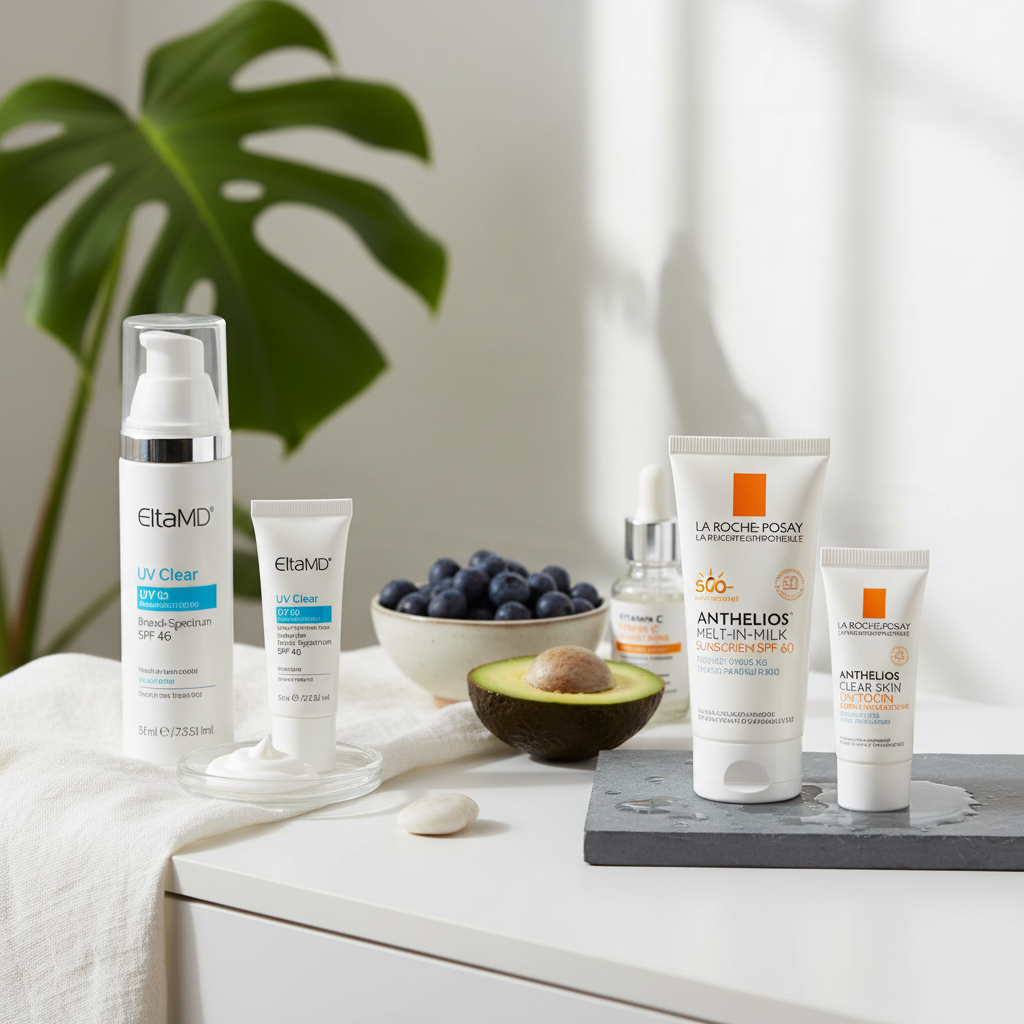
Choosing between EltaMD and La Roche-Posay for your daily facial SPF comes down to specific skin needs and preferences. EltaMD often excels for sensitive, acne-prone, or post-procedure skin with its elegant mineral-based formulas featuring soothing actives like niacinamide. La Roche-Posay offers broad-spectrum protection with diverse chemical, mineral, and hybrid options, frequently incorporating potent antioxidants and ceramides, making it versatile for various skin types and concerns, often at a more accessible price point.
Introduction
In the evolving landscape of skincare, one truth remains constant: daily sunscreen is the single most impactful step you can take for skin health and longevity. As we navigate 2026, the discussion around superior sun protection invariably leads to two dermatologist-recommended powerhouses: EltaMD and La Roche-Posay. Both brands have earned stellar reputations, but which one holds the key to your perfect daily face SPF?
Why is Daily SPF Non-Negotiable in 2026?
The science is clearer than ever: consistent, broad-spectrum sun protection is your primary defense against photoaging, hyperpigmentation, collagen degradation, and, most critically, skin cancer. In 2026, with increasing awareness around holistic skin health and the long-term impact of environmental aggressors, daily SPF has transcended from a “nice-to-have” to a fundamental pillar of any effective skincare routine. It’s not just about beach days; it’s about protecting your skin barrier, preventing cumulative damage, and maintaining cellular integrity every single day, rain or shine, indoors or out.
EltaMD: The Dermatologist’s Darling – What Makes It Special?
EltaMD has become synonymous with dermatologist-recommended sun protection, particularly for sensitive and post-procedure skin. Their formulations are largely centered around mineral filters, specifically zinc oxide, known for its broad-spectrum protection against UVA and UVB rays and its gentle nature. Many of their products also incorporate beneficial active ingredients that address specific skin concerns.
Mineral-First Philosophy
EltaMD heavily utilizes zinc oxide and often titanium dioxide as its primary UV filters. These mineral (physical) blockers create a protective shield on the skin’s surface, reflecting UV radiation away. This mechanism is inherently gentle, making EltaMD a go-to for individuals with sensitive skin, rosacea, or those recovering from dermatological procedures like laser treatments or chemical peels. The lack of chemical filters reduces the potential for irritation.
Key Actives and Formulations
- EltaMD UV Clear Broad-Spectrum SPF 46: Perhaps their most iconic product, UV Clear features 9% zinc oxide and 7.5% octinoxate (a chemical filter, making it a hybrid formula). Crucially, it contains niacinamide (Vitamin B3), an anti-inflammatory powerhouse that helps reduce redness, minimize pores, and improve skin barrier function. It’s non-comedogenic and beloved by those with acne-prone or rosacea-prone skin.
- EltaMD UV Physical Broad-Spectrum SPF 41: A purely mineral formula (9% zinc oxide, 7% titanium dioxide), this tinted option provides natural coverage and is ideal for extremely sensitive or post-procedure skin. It’s water-resistant and free of chemical filters, oils, and fragrances.
- EltaMD UV Daily Broad-Spectrum SPF 40: This formula combines 9% zinc oxide with 7.5% octinoxate and includes hyaluronic acid, a powerful humectant that draws moisture into the skin, making it an excellent choice for normal to dry skin types seeking hydration alongside sun protection.
Texture and Finish
EltaMD sunscreens are renowned for their elegant textures. Many absorb quickly, leaving a sheer, non-greasy finish that layers well under makeup. While mineral sunscreens historically carried a reputation for white cast, EltaMD has largely overcome this, especially with their micronized zinc oxide formulations and tinted options.
La Roche-Posay: French Pharmacy Powerhouse – What Are Its Strengths?
La Roche-Posay, a staple in French pharmacies and now widely available in the US, boasts a comprehensive range of sunscreens under its Anthelios line. Known for rigorous testing and advanced formulations, La Roche-Posay offers robust protection suitable for a broad spectrum of skin concerns, often with an emphasis on antioxidant defense and skin barrier support.
Diverse Filter Technologies
La Roche-Posay employs a wider array of UV filters, including both chemical and mineral options, and often utilizes hybrid formulations. Their European Anthelios line is famous for advanced filters like Mexoryl SX and Tinosorb S, which offer superior photostability and broad-spectrum protection. While US formulations must adhere to FDA-approved filters (e.g., Avobenzone, Octinoxate, Octisalate, Homosalate, and mineral filters like zinc oxide and titanium dioxide), La Roche-Posay still manages to deliver highly effective and cosmetically elegant products.
Key Actives and Formulations
- La Roche-Posay Anthelios Melt-in Milk Sunscreen SPF 60: A popular chemical sunscreen, this formula provides broad-spectrum protection with a blend of FDA-approved chemical filters. It has a luxurious, hydrating texture that “melts” into the skin, making it suitable for normal to dry skin types.
- La Roche-Posay Anthelios Mineral Tinted Sunscreen for Face SPF 50: This 100% mineral sunscreen (titanium dioxide 5%, zinc oxide 6%) offers broad-spectrum protection with a subtle tint to minimize white cast. It’s often recommended for sensitive skin and provides a matte finish.
- La Roche-Posay Anthelios AOX Daily Antioxidant Serum with Sunscreen SPF 50: A unique product combining chemical sunscreen filters with a potent blend of antioxidants, including Vitamin C and Vitamin E. This serum-like texture is ideal for those seeking additional environmental protection and anti-aging benefits, particularly for normal to oily skin.
- La Roche-Posay Anthelios Clear Skin Dry Touch Sunscreen SPF 60: Formulated for oily and acne-prone skin, this chemical sunscreen offers a mattifying, oil-free finish. It contains perlite and silica to absorb excess oil and reduce shine.
Texture and Finish
La Roche-Posay sunscreens are known for their comfortable, often lightweight textures. They offer a range of finishes from hydrating and dewy to matte and dry-touch, catering to diverse preferences. Their commitment to fragrance-free and paraben-free formulations also appeals to those with sensitivities.
EltaMD vs. La Roche-Posay: A Head-to-Head Comparison
To help you visualize the differences, here’s a direct comparison of some of their most popular facial SPF products:
| Feature | EltaMD UV Clear SPF 46 | EltaMD UV Daily SPF 40 | La Roche-Posay Anthelios Melt-in Milk SPF 60 | La Roche-Posay Anthelios Mineral Tinted SPF 50 |
|---|---|---|---|---|
| Primary Filter Type | Hybrid (Mineral & Chemical) | Hybrid (Mineral & Chemical) | Chemical | Mineral |
| Key Actives | Niacinamide, Hyaluronic Acid | Hyaluronic Acid | Antioxidants (minimal) | Antioxidants (Cell-Ox Shield®) |
| Best For Skin Type | Acne-prone, Rosacea, Sensitive | Normal to Dry, Mature | Normal to Dry, Combination | Sensitive, All skin types (tinted) |
| Texture/Finish | Lightweight, Sheer, Non-greasy | Creamy, Hydrating, Smooth | Rich, Hydrating, “Melt-in” | Lightweight, Matte, Tinted |
| Key Benefit | Calms skin, reduces breakouts | Hydrates, smooths fine lines | High protection, comfortable feel | Gentle, natural coverage |
Decoding SPF Ingredients: Mineral vs. Chemical vs. Hybrid
Understanding the different types of UV filters is crucial for making an informed choice, especially with ongoing FDA reviews of sunscreen ingredients in 2026.
Mineral Filters (Physical Blockers)
Zinc oxide and titanium dioxide are naturally occurring mineral compounds. They work by sitting on the skin’s surface and physically deflecting or scattering UV radiation away from the skin. Zinc oxide is particularly effective as a broad-spectrum filter, protecting against both UVA and UVB rays. Mineral sunscreens are generally well-tolerated by sensitive skin, less likely to cause irritation, and start working immediately upon application. The primary drawback historically was a potential white cast, though modern formulations have largely mitigated this.
Chemical Filters (Organic Absorbers)
Common FDA-approved chemical filters include Avobenzone, Octinoxate, Octisalate, Homosalate, and Oxybenzone (though Oxybenzone is increasingly avoided due to environmental and health concerns). These ingredients absorb UV radiation, convert it into heat, and release it from the skin. Chemical sunscreens are often favored for their cosmetically elegant, sheer, and lightweight textures, which blend seamlessly without a white cast. They typically need about 15-20 minutes to become fully effective after application. Some individuals with very sensitive skin may experience irritation with certain chemical filters, though this is not universal.
Hybrid Formulas
Many sunscreens, including several from both EltaMD and La Roche-Posay, combine both mineral and chemical filters. This approach aims to leverage the best of both worlds: the broad-spectrum stability and gentleness of mineral filters, alongside the cosmetic elegance and sheer finish of chemical filters. This often results in a highly effective, comfortable-to-wear product that offers robust protection.
Beyond the Bottle: Application, Reapplication, and Synergies
Even the best SPF is only as good as its application. In 2026, our understanding of optimal sunscreen usage has become more nuanced, emphasizing consistent application and reapplication, alongside smart layering with other actives.
How Much SPF Do You Really Need?
The common recommendation is to apply a nickel-sized amount for the face alone, or use the “two-finger rule”: squeeze a line of sunscreen onto your index and middle fingers, from base to tip. This typically provides the necessary amount to achieve the stated SPF on the label. Don’t forget your ears, neck, and décolletage!
The 2026 Reapplication Reality
Sunscreen isn’t a “one-and-done” affair. The general rule is to reapply every two hours, or immediately after swimming, sweating heavily, or towel drying. This holds true even if you’re mostly indoors but near windows, or if you’re using dermal-grade at-home tools that can increase skin sensitivity. Products like SPF mists or powders can make reapplication over makeup more convenient.
Layering with Actives: A Smart Strategy
Integrating SPF seamlessly into your routine alongside other active ingredients enhances overall skin health:
- Retinol/Retinal: These Vitamin A derivatives, known for their anti-aging and anti-acne properties, increase skin’s photosensitivity. Daily, diligent SPF application is absolutely critical when using retinoids to prevent irritation and maximize benefits.
- Vitamin C: A powerful antioxidant, Vitamin C works synergistically with SPF. While SPF blocks UV rays, Vitamin C neutralizes free radicals generated by UV exposure that SPF might miss, offering enhanced environmental protection.
- Hyaluronic Acid: This humectant provides vital hydration, which complements SPF by supporting a healthy skin barrier. Many sunscreens, like EltaMD UV Daily, incorporate it directly.
- Niacinamide: An excellent partner, niacinamide helps calm inflammation, reduce redness, and strengthen the skin barrier, making it perfect for use with SPF, especially in formulations like EltaMD UV Clear.
- AHAs/BHAs: Alpha and Beta Hydroxy Acids exfoliate the skin, which can make it more susceptible to sun damage. SPF is non-negotiable to protect newly exposed skin cells.
- Peptides: These amino acid chains support collagen production and cellular repair. They are generally compatible with SPF and can be layered underneath for added anti-aging benefits.
Which Brand Wins for Your Skin Type?
Oily/Acne-Prone Skin
EltaMD UV Clear Broad-Spectrum SPF 46 is a cult favorite for this skin type due to its niacinamide content, which calms inflammation and redness, and its lightweight, non-comedogenic formula. La Roche-Posay Anthelios Clear Skin Dry Touch Sunscreen SPF 60 is another excellent choice, specifically designed to absorb oil and provide a matte finish.
Dry/Mature Skin
For those seeking hydration and anti-aging benefits, EltaMD UV Daily Broad-Spectrum SPF 40 with hyaluronic acid is a fantastic option. La Roche-Posay Anthelios Melt-in Milk Sunscreen SPF 60 offers a rich, comforting texture that feels nourishing without being heavy, ideal for drier complexions.
Sensitive/Rosacea-Prone Skin
EltaMD UV Physical Broad-Spectrum SPF 41 (pure mineral, tinted) or EltaMD UV Clear Broad-Spectrum SPF 46 (hybrid with niacinamide) are top recommendations due to their gentle, mineral-dominant formulations. La Roche-Posay Anthelios Mineral Tinted Sunscreen for Face SPF 50 also provides excellent, irritation-free protection with a subtle tint.
Combination Skin
Both brands offer versatile options. For combination skin leaning oily, EltaMD UV Clear or La Roche-Posay Anthelios Clear Skin. For combination skin leaning dry, EltaMD UV Daily or La Roche-Posay Anthelios Melt-in Milk would be more suitable. It often comes down to personal texture preference.
The Drugstore vs. Prestige Debate (and Dermatologist Consensus)
Both EltaMD and La Roche-Posay sit in an interesting position within the skincare market. While EltaMD is often found in dermatology offices and medical spas, and La Roche-Posay originated in European pharmacies, both are widely accessible in the US through drugstores, online retailers, and specialty beauty stores. They bridge the gap between “drugstore” and “prestige” by offering medical-grade formulations endorsed by dermatologists, often at a more accessible price point than traditional luxury brands.
The dermatologist consensus is clear: consistent use of broad-spectrum SPF is paramount, regardless of brand. Both EltaMD and La Roche-Posay consistently rank high on dermatologists’ recommendation lists because they formulate with FDA-approved, effective UV filters, conduct rigorous testing, and offer a range of options for different skin types and concerns. The key is finding a formula you enjoy using daily, ensuring compliance.
Frequently Asked Questions
Can I use a tinted SPF as my foundation?
For many, yes! Tinted sunscreens like EltaMD UV Physical or La Roche-Posay Anthelios Mineral Tinted provide light coverage that can even out skin tone. However, remember to apply enough to achieve the stated SPF, which is often more than you’d typically use for foundation. You can always layer a separate foundation on top if more coverage is desired.
How often should I reapply SPF, even indoors?
The general rule is every two hours when exposed to direct sunlight or after sweating/swimming. If you’re mostly indoors but sitting near windows or in an office with strong overhead lighting, reapplication every 4-6 hours is a good habit. However, if you’re truly indoors away from windows, a morning application is often sufficient for basic protection.
Is mineral SPF always better than chemical SPF?
Not necessarily. While mineral sunscreens are often preferred for very sensitive or post-procedure skin due to their gentle mechanism, modern chemical and hybrid formulations are highly effective and cosmetically elegant. The “best” SPF is the one you will consistently apply and reapply. Both types, when formulated correctly, offer excellent broad-spectrum protection.
Do I need SPF if my makeup has it?
Makeup with SPF is a good bonus, but it’s rarely sufficient as your primary sun protection. To achieve the SPF stated on makeup labels, you’d need to apply a much thicker layer than most people do. Always apply a dedicated broad-spectrum sunscreen underneath your makeup for adequate protection.
What’s the difference between SPF 30 and SPF 50?
SPF 30 blocks approximately 97% of UVB rays, while SPF 50 blocks about 98%. The difference in protection percentage is marginal. However, higher SPFs do offer longer-lasting protection against UV-induced damage, which can be beneficial if reapplication is inconsistent. For daily use, SPF 30 is generally considered sufficient, but SPF 50+ provides an extra safety margin.
Conclusion
Both EltaMD and La Roche-Posay stand as titans in the world of sun protection, each offering exceptional formulas backed by dermatological science. Your “perfect” daily face SPF ultimately hinges on your individual skin type, specific concerns, lifestyle, and textural preferences. Whether you gravitate towards