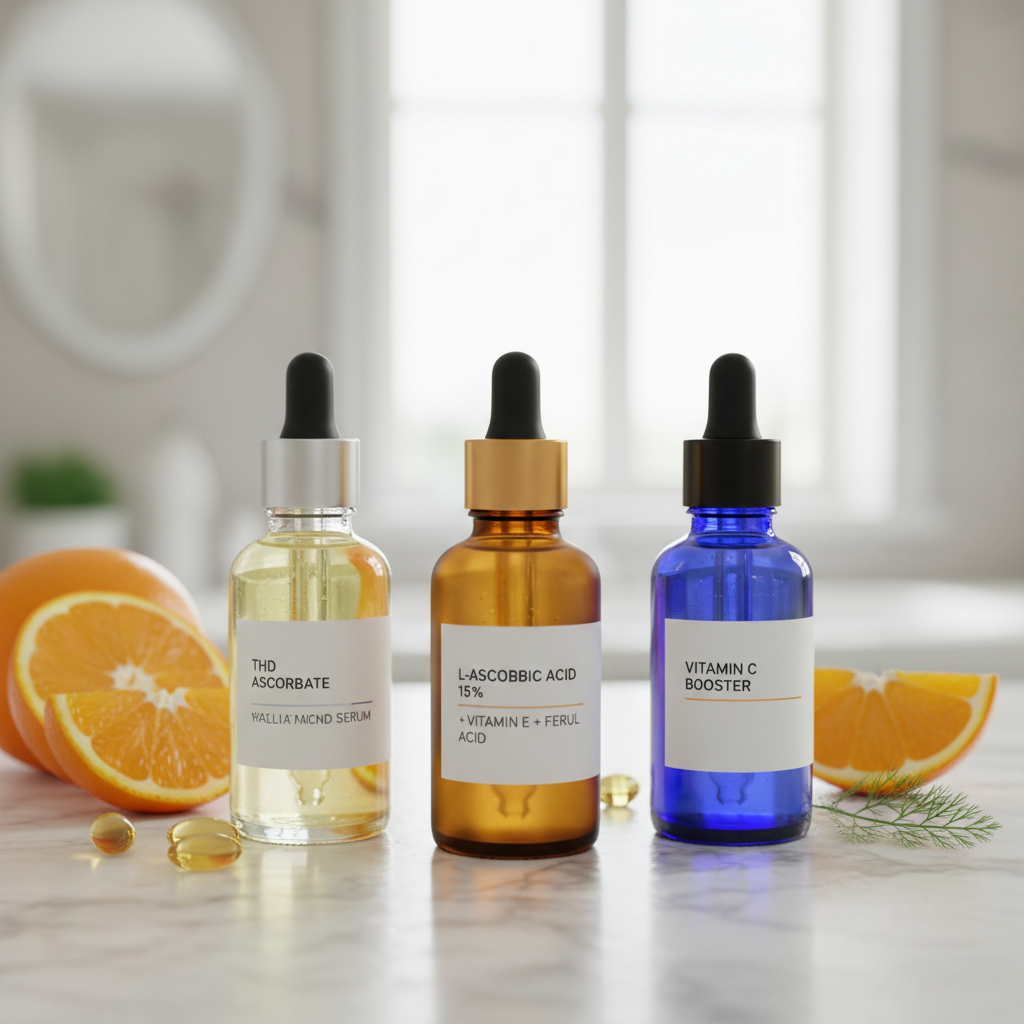
For mature skin seeking to diminish fine lines and restore radiance, the best vitamin C serums typically feature L-Ascorbic Acid (LAA) at concentrations of 10-20%, often stabilized with ferulic acid and vitamin E. These formulations offer superior antioxidant protection and collagen-boosting benefits, although newer, gentler derivatives like THD Ascorbate are also highly effective for sensitive skin. Prioritizing stable, well-packaged products from reputable brands, whether prestige or innovative drugstore options, is key to visible results.
Introduction
As we navigate the ever-evolving landscape of skincare, certain ingredients stand the test of time, proving their mettle against the inevitable march of age. For women in 2026, grappling with fine lines, uneven tone, and a loss of firmness, vitamin C continues to be a dermatologist-recommended powerhouse. But with countless options flooding the market, how do you discern the truly effective from the merely hyped, especially when targeting the unique needs of mature skin?
What Makes Vitamin C So Effective for Mature Skin?
Vitamin C, or ascorbic acid, is not just a nutrient for your immune system; it’s a critical player in skin health and rejuvenation. For mature skin, its benefits are multifaceted and scientifically well-documented:
- Potent Antioxidant Protection: As we age, our skin accumulates damage from environmental aggressors like UV radiation and pollution, leading to oxidative stress. Vitamin C is a powerful antioxidant that neutralizes free radicals, helping to prevent further damage that can exacerbate fine lines and hyperpigmentation.
- Collagen Synthesis Booster: Collagen is the structural protein that keeps our skin firm and plump. After age 20, collagen production declines by about 1% each year. Vitamin C is an essential cofactor for the enzymes responsible for collagen synthesis, meaning it helps stimulate the production of new, healthy collagen, which can lead to a reduction in the appearance of fine lines and improved skin elasticity.
- Brightening and Even Tone: Mature skin often presents with age spots, sun spots, and a general dullness. Vitamin C inhibits tyrosinase, an enzyme crucial for melanin production, thereby helping to fade existing hyperpigmentation and prevent new dark spots from forming. The result is a brighter, more even-toned complexion.
- Anti-Inflammatory Properties: Chronic low-grade inflammation can contribute to skin aging. Vitamin C has mild anti-inflammatory effects that can soothe the skin and reduce redness, contributing to a healthier, more youthful appearance.
Which Forms of Vitamin C Are Best and Why?
Understanding the different forms of vitamin C is crucial, as their stability, penetration, and efficacy vary significantly. For mature skin, the goal is maximum benefit with minimal irritation.
L-Ascorbic Acid (LAA)
Considered the gold standard, L-Ascorbic Acid is the most biologically active form of vitamin C. It’s potent and effective, but also notoriously unstable, prone to oxidizing when exposed to light, air, and heat. For LAA to be effective, it needs to be formulated at a low pH (around 3.5) to penetrate the skin and typically at a concentration of 10-20%. When stabilized with other antioxidants like ferulic acid and vitamin E, its efficacy and stability are significantly boosted. This combination is often found in medical-grade serums.
Tetrahexyldecyl Ascorbate (THD Ascorbate)
This oil-soluble derivative is gaining significant traction, especially for sensitive or drier mature skin. Unlike LAA, THD Ascorbate is highly stable, penetrates deeper into the lipid-rich layers of the skin, and is less irritating. It effectively converts to L-Ascorbic Acid once absorbed, offering comparable benefits in collagen synthesis and brightening, often at lower concentrations (e.g., 5-10%). Its gentleness makes it an excellent choice for those who find LAA too strong.
Other Forms
While effective, other forms like Magnesium Ascorbyl Phosphate (MAP), Sodium Ascorbyl Phosphate (SAP), and Ascorbyl Glucoside are generally less potent than LAA or THD Ascorbate for mature skin concerns. They are more stable and gentler but may not deliver the same dramatic results in collagen stimulation or hyperpigmentation fading at comparable concentrations. They can be good entry points for very sensitive skin or for maintaining results.
What Should You Look for in a High-Quality Vitamin C Serum?
Navigating the sheer volume of vitamin C serums requires a discerning eye. Here’s what to prioritize:
- The Right Form and Concentration: For L-Ascorbic Acid, aim for 10-20%. For THD Ascorbate, 5-10% is effective. Ensure the form is clearly stated on the ingredient list.
- Synergistic Antioxidants: Look for formulations that include vitamin E (tocopherol) and ferulic acid, especially with LAA. This trio not only stabilizes vitamin C but also enhances its antioxidant power, offering superior protection against environmental damage.
- Optimal pH for LAA: If choosing an L-Ascorbic Acid serum, a pH between 3.0 and 3.5 is ideal for absorption. Reputable brands will formulate within this range.
- Packaging Matters: Vitamin C, especially LAA, is sensitive to light and air. Choose serums in dark, opaque, air-tight bottles (pump dispensers or dropper bottles that minimize air exposure) to preserve their potency. Avoid clear jars or bottles.
- Additional Beneficial Ingredients:
- Hyaluronic Acid (HA): A humectant that draws moisture into the skin, plumping fine lines and improving hydration.
- Niacinamide (Vitamin B3): A versatile active that supports the skin barrier, reduces inflammation, minimizes pore appearance, and improves tone. It pairs well with vitamin C.
- Peptides: Small chains of amino acids that can signal the skin to produce more collagen, similar to vitamin C, making them excellent partners in anti-aging.
- Ceramides: Essential lipids that fortify the skin barrier, crucial for mature skin that often experiences barrier compromise, especially in 2026 with increased focus on skin barrier health.
- Reputation and Transparency: Choose brands with a history of research and transparent ingredient lists. While exact clinical study citations might not be public, a brand’s commitment to stable, effective formulations speaks volumes.
Drugstore vs. Prestige: Where Do You Get the Best Value?
The skincare aisle is a vast spectrum, from accessible drugstore finds to high-end prestige products. For vitamin C serums, both categories offer viable options, but understanding the trade-offs is key for the 2026 consumer.
Drugstore Innovations: The quality of drugstore vitamin C serums has skyrocketed in recent years. Brands like L’Oréal, Olay, and CeraVe now offer formulations with stable vitamin C derivatives (like SAP or Ascorbyl Glucoside) or even well-formulated L-Ascorbic Acid options, often at effective concentrations. They excel in making potent ingredients accessible and often include other barrier-supporting ingredients like ceramides and hyaluronic acid. While they might not always boast the patented delivery systems or the LAA + Ferulic + Vitamin E complex of the highest-end brands, they can provide excellent results for many, particularly for those new to vitamin C or with budget considerations.
Prestige & Medical-Grade Options: These often come with a higher price tag for a reason. Brands like Skinceuticals, Obagi, and Paula’s Choice invest heavily in research, patented formulations, and delivery systems designed to maximize stability and penetration of L-Ascorbic Acid. Their LAA + Ferulic + Vitamin E serums are often considered the benchmark for efficacy. They frequently undergo rigorous testing and are backed by dermatologists. For mature skin with significant concerns about fine lines, firmness, and hyperpigmentation, these high-potency formulations can deliver more dramatic and faster results. The investment often translates to superior stability, ensuring the active ingredient remains potent throughout its shelf life.
Dermatologist Consensus: Many dermatologists will recommend both, depending on the patient’s budget, skin concerns, and sensitivity. They often emphasize that consistency and proper application are just as important as the product’s price tag. The key is to look for evidence-informed formulations, regardless of where you purchase them.
How Do Leading Vitamin C Serums Compare for Mature Skin?
Here’s a comparison of common types of vitamin C serums you’ll find on the market, illustrating the differences in formulation and target benefits for mature skin:
| Product Category/Focus | Key Vitamin C Form & Concentration | Other Star Actives | Best For |
|---|---|---|---|
| Medical-Grade Antioxidant Serum (e.g., “C E Ferulic Type”) | L-Ascorbic Acid (15-20%) | Vitamin E, Ferulic Acid, Hyaluronic Acid | Maximizing collagen production, significant environmental protection, fading stubborn hyperpigmentation, advanced signs of aging. |
| Gentle Brightening & Firming Serum (e.g., “Advanced C Elixir”) | Tetrahexyldecyl Ascorbate (5-10%) | Ceramides, Peptides, Squalane | Sensitive skin, dry mature skin, those seeking firming and barrier support, gradual brightening without irritation. |
| Barrier-Supportive Vitamin C Serum (e.g., “Vital Glow Barrier Serum”) | Ascorbyl Glucoside (8-12%) or Sodium Ascorbyl Phosphate (10%) | Niacinamide, Hyaluronic Acid, Prebiotics | Compromised skin barrier, redness-prone skin, maintaining skin health, mild brightening and antioxidant benefits. |
| Potent Drugstore Brightening Serum (e.g., “Radiant Renewal C Serum”) | L-Ascorbic Acid (10-12%) or THD Ascorbate (3-5%) | Glycerin, Vitamin E | Budget-conscious users, those new to vitamin C, overall brightening and antioxidant benefits, good entry point. |
Integrating Vitamin C into Your 2026 Skincare Routine
For optimal results, how you use your vitamin C serum is just as important as which one you choose.
- Morning is Key: Apply your vitamin C serum in the morning after cleansing and toning. This allows it to work synergistically with your sunscreen to provide enhanced protection against UV damage and pollution throughout the day.
- Layering Sequence: Serums typically go on clean skin first, before heavier creams or oils. So, cleanse > tone > vitamin C serum > other serums (e.g., hyaluronic acid) > moisturizer > sunscreen.
- Sunscreen is Non-Negotiable: Vitamin C enhances sunscreen’s protective capabilities, but it doesn’t replace it. Always follow with a broad-spectrum mineral SPF 30 or higher. In 2026, the science on sunscreen reapplication emphasizes consistent reapplication every two hours, especially if outdoors or sweating, for continuous protection.
- Pairing with Other Actives:
- Retinol/Retinal: These powerful anti-aging ingredients are best used at night. Vitamin C in the morning and retinol at night is a highly effective combination for mature skin.
- Niacinamide: Contrary to older myths, vitamin C and niacinamide can be used together or layered. Many modern formulations even combine them. Niacinamide’s barrier-boosting properties complement vitamin C’s antioxidant action.
- AHAs/BHAs: Use exfoliating acids cautiously. If using L-Ascorbic Acid, applying an AHA/BHA right before can lower skin pH too much, potentially causing irritation. It’s often best to alternate days (e.g., AHA serum at night, Vitamin C in the morning) or use gentler forms of vitamin C.
- Consistency is Crucial: Skincare results are not instantaneous. Commit to using your vitamin C serum daily for at least 8-12 weeks to see significant improvements in fine lines, brightness, and texture.
Common Mistakes to Avoid When Using Vitamin C Serums
To ensure you’re getting the most out of your investment and protecting your skin, steer clear of these pitfalls:
- Using an Oxidized Serum: If your vitamin C serum has turned dark yellow, orange, or brown, it has oxidized and lost its efficacy. Continuing to use it can even generate free radicals. Toss it and buy a fresh one.
- Skipping Sunscreen: This is perhaps the biggest mistake. Without daily sun protection, any benefits from vitamin C will be undone by new sun damage.
- Over-Exfoliating: Combining a potent L-Ascorbic Acid serum with strong exfoliating acids (AHAs, BHAs) or aggressive dermal-grade at-home tools (like microdermabrasion) too frequently can compromise the skin barrier and lead to irritation, redness, and sensitivity. Listen to your skin.
- Not Being Consistent: Sporadic use won’t yield optimal results. Daily, consistent application is key to building up skin’s antioxidant defenses and stimulating collagen.
- Ignoring Your Skin Type: Oily skin might tolerate higher concentrations of LAA, while dry or sensitive mature skin might fare better with THD Ascorbate or lower concentrations, possibly buffered with ceramides.
- Improper Storage: Leaving your serum in direct sunlight or a hot bathroom will accelerate oxidation. Store it in a cool, dark place.
Frequently Asked Questions
Can I use Vitamin C with Retinol?
Yes, absolutely! This is a powerful anti-aging duo. The general recommendation is to use your vitamin C serum in the morning to leverage its antioxidant protection against daytime environmental stressors, and apply your retinol (or retinal, a trending more potent retinoid) at night to work on cell turnover and collagen production while you sleep. This separation minimizes potential irritation and maximizes the benefits of each active.
How long does it take to see results from a Vitamin C serum?
Patience is key with skincare actives. While some might notice an immediate glow, significant improvements in fine lines, hyperpigmentation, and overall skin texture typically take anywhere from 4 to 12 weeks of consistent daily use. Collagen production is a slow process, so stick with it!
What’s the difference between a Vitamin C serum and a cream?
Serums are generally formulated with a higher concentration of active ingredients and a lighter texture, designed to penetrate deeply into the skin. Creams are typically richer, containing emollients and occlusives to moisturize and seal in hydration, often with lower active concentrations. For targeted treatment of fine lines and hyperpigmentation, a potent vitamin C serum is usually more effective due to its higher active load and better penetration.
My skin is sensitive; can I still use Vitamin C?
Yes, but with caution. Start with a lower concentration (e.g., 5-10%) or opt for a gentler, more stable derivative like Tetrahexyldecyl Ascorbate (THD Ascorbate). Patch test on a small area of skin first, and introduce it slowly into your routine (e.g., every other day) before building up to daily use. Look for formulations that also include soothing and barrier-supporting ingredients like ceramides or niacinamide.
Does the packaging of a Vitamin C serum really matter?
Absolutely, packaging is critical for Vitamin C, especially L-Ascorbic Acid. Because LAA is highly unstable and degrades rapidly when exposed to light and air, serums should always come in dark, opaque bottles, ideally with an air-tight pump or a dropper that minimizes air exposure. Clear bottles or jar packaging are red flags, as they allow the product to oxidize quickly, rendering it ineffective.
Conclusion
For women in 2026 seeking to gracefully combat fine lines and reclaim youthful radiance, vitamin C remains an indispensable ally. By understanding the forms, ideal concentrations, and crucial supporting ingredients, you can confidently select a serum that genuinely works for your mature skin. Whether you opt for a medical-grade powerhouse or an innovative drugstore gem, consistent application, paired with diligent sun protection, will unlock the transformative power of this skincare hero, revealing a brighter, firmer, and more resilient complexion.