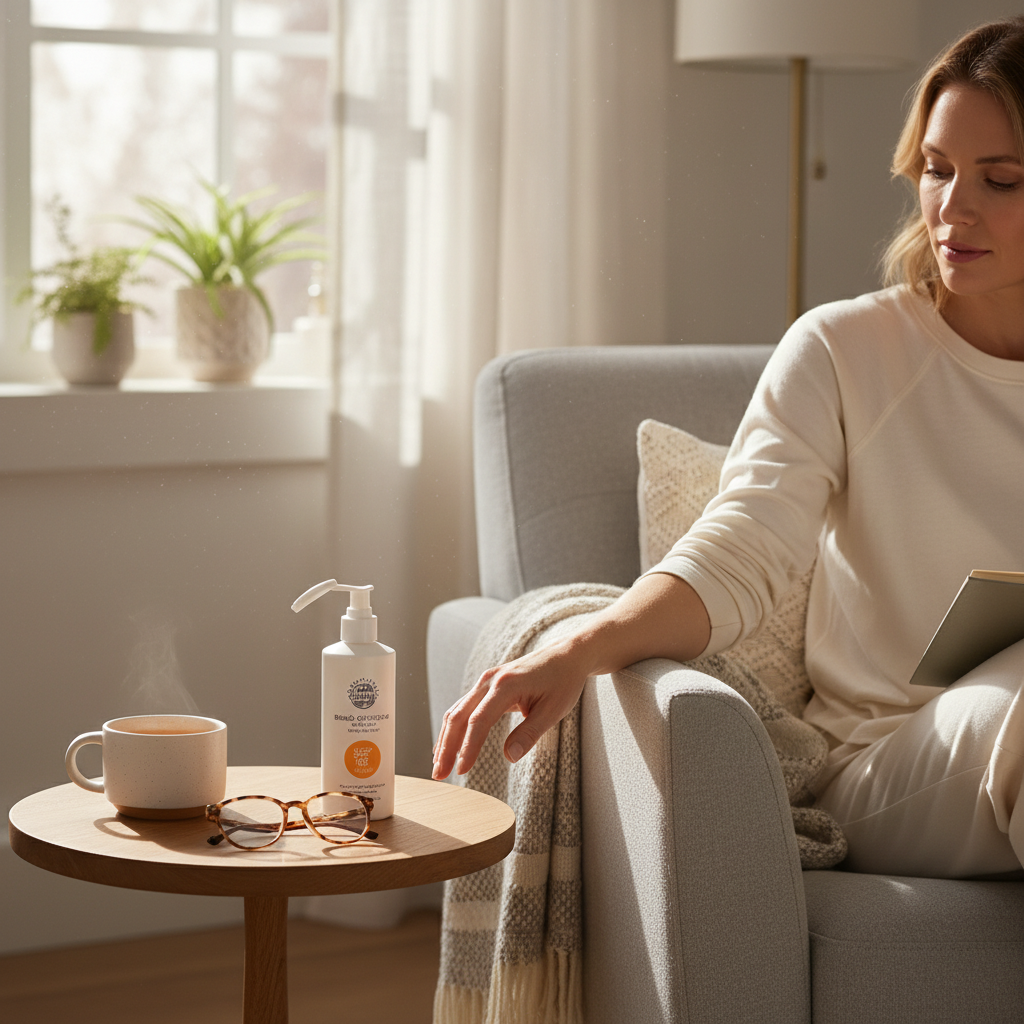
Yes, daily SPF is largely necessary indoors for most individuals, primarily to protect against pervasive UVA radiation and high-energy visible (HEV) light. While UVB rays, responsible for sunburn, are mostly blocked by windows, UVA rays and HEV light penetrate glass, contributing to premature aging, hyperpigmentation, and cellular damage even when you’re not directly in the sun.

Introduction
In 2026, our understanding of sun protection has evolved beyond just avoiding sunburn at the beach. We now recognize that daily, consistent sun protection is a cornerstone of skin health, extending its necessity far beyond outdoor adventures. But as our lives increasingly unfold indoors, a critical question arises: is daily SPF truly necessary when you’re just at home, working, or relaxing? The answer, nuanced yet definitive, forms the core of your 2026 sun protection strategy.
Why Do I Need SPF Indoors? Understanding Invisible Threats
The misconception that indoor environments are immune to sun damage is a persistent one. While walls and roofs offer significant protection, windows, skylights, and even our digital screens expose us to specific types of radiation that can silently impact our skin over time. Understanding these “invisible threats” is key to appreciating the role of indoor SPF.
UVA Radiation: The Silent Agers
Unlike UVB rays, which are largely responsible for sunburn and are mostly blocked by standard window glass, UVA radiation penetrates deeply into the skin. These longer wavelength rays are present year-round, regardless of weather, and can pass through clear glass windows in your home, car, or office. UVA is the primary culprit behind photoaging, contributing to:
- Fine lines and wrinkles
- Loss of skin elasticity
- Age spots and uneven skin tone
- Compromised skin barrier
- Increased risk of certain skin cancers
Consistent, low-level UVA exposure, accumulated over years, can be just as detrimental to your skin’s long-term health as sporadic, intense outdoor exposure.
High-Energy Visible (HEV) Light: Digital Damage?
Beyond UV, 2026 research continues to highlight the impact of High-Energy Visible (HEV) light, also known as blue light. This spectrum of visible light, emitted by the sun and, increasingly, by our digital devices like smartphones, tablets, and computer screens, can penetrate the skin even more deeply than UVA rays. While the sun is the primary source of HEV light, prolonged exposure from screens, especially in close proximity, is a growing concern. HEV light has been linked to:
- Oxidative stress in the skin
- Disruption of the skin barrier
- Increased hyperpigmentation, particularly in darker skin tones
- Potential collagen degradation
While the full extent of screen-derived HEV light damage is still being studied, the cumulative effect of both solar and digital HEV light underscores the need for comprehensive indoor protection.
What Are the Long-Term Effects of Unprotected Indoor Exposure?
The insidious nature of indoor sun exposure lies in its subtlety. You rarely feel the immediate burn, but the cumulative damage can manifest in significant ways over time, accelerating the visible signs of aging and impacting skin health at a cellular level.
Premature Aging and Hyperpigmentation
Consistent exposure to UVA and HEV light, even through windows, significantly contributes to what dermatologists call photoaging. This process breaks down collagen and elastin fibers, the structural proteins that keep skin firm and supple, leading to the early onset of wrinkles, sagging, and a loss of skin elasticity. Furthermore, this exposure stimulates melanin production, resulting in sunspots, freckles, and uneven skin tone, often exacerbated in areas frequently exposed to windows, such as one side of the face while driving or sitting by a desk.
Compromised Skin Barrier Function
The skin barrier, our body’s protective shield, can also be silently compromised by chronic, low-level UV and HEV exposure. A weakened barrier struggles to retain moisture, making skin more susceptible to dryness, irritation, and sensitivity. It also becomes less effective at defending against environmental aggressors, leading to a vicious cycle of damage and impaired recovery. Actives like ceramides and niacinamide become even more crucial in a routine to support a healthy barrier under these conditions.
How Do Mineral and Chemical SPFs Compare for Indoor Use?
Choosing the right SPF for indoor use involves understanding the differences between mineral (physical) and chemical filters. Both offer effective protection, but their mechanisms and formulations cater to different preferences and skin needs.
Mineral Filters: Zinc Oxide & Titanium Dioxide
Mineral sunscreens utilize zinc oxide and titanium dioxide, which work by creating a physical barrier on the skin’s surface, reflecting and scattering UV rays away. In 2026, formulations have advanced significantly, offering micronized and non-nano versions that are less likely to leave a white cast, making them cosmetically elegant for daily indoor wear. They are generally considered gentle and are often recommended for sensitive skin, post-procedure skin, and children. Zinc oxide, in particular, offers broad-spectrum protection against both UVA and UVB rays, and some studies suggest it may offer a degree of protection against HEV light.
Chemical Filters: Avobenzone, Oxybenzone, Octinoxate, etc.
Chemical sunscreens absorb UV radiation and convert it into heat, which is then released from the skin. Common FDA-approved filters include avobenzone, oxybenzone, octinoxate, and octisalate. Newer generation chemical filters, often found in European and Asian formulations (which are becoming more accessible in the US by 2026), like Tinosorb S and M, Uvinul A Plus, and Mexoryl SX/XL, offer superior broad-spectrum protection and photostability. Chemical sunscreens are typically lighter in texture, absorb quickly, and blend seamlessly, making them popular for daily use under makeup. However, some individuals with sensitive skin may experience irritation with certain chemical filters.
The 2026 Landscape: Newer Filters and Formulations
The skincare market in 2026 sees a continued push towards hybrid formulations that combine the best of both worlds – mineral and chemical filters – to offer robust, broad-spectrum protection with elegant textures. There’s also a rising focus on SPFs infused with antioxidants (like Vitamin C, Vitamin E, and ferulic acid) and skin-benefiting ingredients (like niacinamide and peptides) to provide additional defense against environmental damage and support overall skin health. Look for terms like “broad-spectrum” or “PA++++” ratings, which indicate strong UVA protection, crucial for indoor use.
How Much SPF Do I Really Need Indoors, and When Should I Reapply?
Effective sun protection isn’t just about choosing the right product; it’s also about applying it correctly and consistently. The “rules” for indoor SPF differ slightly from those for intense outdoor exposure.
The “Teaspoon Rule” Indoors
The widely cited “teaspoon rule” – about a quarter teaspoon for the face and neck – remains the gold standard for achieving the stated SPF on the label. While you might not need quite as much for purely indoor, minimal exposure, it’s still advisable to apply a generous layer. Skimping on SPF significantly reduces its efficacy. Aim for a visible layer that blends in, ensuring adequate coverage for all exposed areas, including ears and décolletage if not covered by clothing.
Reapplication Realities for Indoor Life
For most indoor scenarios, especially if you’re not sweating, swimming, or experiencing direct, prolonged sun exposure through a window, reapplication every two hours might be overkill. However, if you spend significant time by a window, drive frequently, or are using dermal-grade at-home tools that can increase skin sensitivity, a midday reapplication is prudent. Many women in 2026 are opting for SPF mists or powders for easy reapplication over makeup. The key is to assess your daily environment: minimal window exposure means less frequent reapplication, while consistent window proximity warrants a midday touch-up.
Can My Makeup or Moisturizer Provide Sufficient Indoor SPF?
This is a common question, and the answer is usually no. While many foundations, BB creams, and moisturizers boast SPF, they often fall short for several reasons. Firstly, the SPF level in these products is typically lower (e.g., SPF 15-20), which is insufficient for comprehensive protection, especially against UVA and HEV light. More critically, people rarely apply enough makeup or moisturizer to achieve the stated SPF on the label. To reach, say, SPF 30 from your foundation, you’d need to apply an uncomfortably thick layer. It’s always best to use a dedicated broad-spectrum SPF as the last step in your skincare routine before makeup, ensuring you get adequate protection from the start. Think of SPF in makeup as an added bonus, not your primary defense.
What Are the Best Indoor SPF Products for Different Skin Types in 2026?
The ideal indoor SPF varies based on your skin type and preferences. Here’s a comparison of formulations popular in 2026, keeping US-relevant concerns like FDA-approved actives and dermatologist consensus in mind.
| Product Type | Best For Skin Type | Key Ingredients & Benefits | Why It’s Great for Indoor Use |
|---|---|---|---|
| Lightweight SPF Serum (e.g., “Radiant Defense Serum SPF 40”) | Oily, Combination, Acne-Prone | Mineral (Zinc Oxide) + Niacinamide, Hyaluronic Acid. Non-comedogenic, oil-free. | Invisible finish, controls shine, provides additional antioxidant and barrier support. Often includes blue light filters. |
| Hydrating SPF Lotion (e.g., “Barrier Boost Daily SPF 50”) | Dry, Normal, Mature, Sensitive | Hybrid (Mineral & New-Gen Chemical) + Ceramides, Peptides. Fragrance-free, deeply moisturizing. | Nourishing without feeling heavy, strengthens skin barrier, smooths fine lines. Excellent for daily wear under makeup. |
| Tinted Mineral SPF (e.g., “Even Tone Tinted SPF 45”) | All Skin Types (especially those seeking light coverage) | Mineral (Zinc Oxide, Titanium Dioxide) + Vitamin C, Iron Oxides. Broad spectrum, adaptable tint. | Offers light coverage to even skin tone, immediate brightening, and defends against HEV light due to iron oxides. |
| SPF Setting Spray/Mist (e.g., “Recharge & Protect Mist SPF 30”) | All Skin Types (for reapplication) | Chemical filters + Antioxidants (e.g., Green Tea Extract). Fine mist, non-pilling. | Perfect for quick, easy reapplication over makeup throughout the day without disturbing your look. |
Beyond SPF: Optimizing Your Indoor Skincare for Comprehensive Protection
While SPF is non-negotiable, a holistic indoor sun protection strategy in 2026 goes further. It involves supporting your skin’s natural defenses and repairing existing damage with a thoughtfully curated skincare routine.
Antioxidants: Your First Line of Defense
Antioxidants are crucial for neutralizing free radicals generated by UV and HEV light, preventing cellular damage.
- Vitamin C (L-Ascorbic Acid): A potent antioxidant that brightens skin, boosts collagen production, and enhances SPF efficacy.
- Niacinamide (Vitamin B3): Reduces inflammation, strengthens the skin barrier, minimizes pore appearance, and offers antioxidant benefits.
- Vitamin E and Ferulic Acid: Often paired with Vitamin C to stabilize it and enhance its antioxidant power.
Incorporating a high-quality antioxidant serum, especially Vitamin C, in your morning routine before SPF provides an extra layer of protection.
Barrier Support: Ceramides and Hyaluronic Acid
A strong skin barrier is your first line of defense against environmental aggressors.
- Ceramides: Essential lipids that help maintain the skin barrier’s integrity, preventing moisture loss and protecting against irritants.
- Hyaluronic Acid: A powerful humectant that draws moisture into the skin, keeping it plump and hydrated, which is vital for barrier health.
Look for moisturizers and serums rich in these ingredients to fortify your skin’s natural defenses.
Targeted Treatments: Retinoids and Peptides
For addressing existing damage and boosting skin resilience, retinoids and peptides are invaluable.
- Retinoids (Retinol, Retinal, Tretinoin): Derivatives of Vitamin A that accelerate cell turnover, stimulate collagen production, and improve skin texture and tone. In 2026, retinal (retinaldehyde) is gaining popularity for its effectiveness and gentler profile compared to prescription tretinoin, being more potent than traditional retinol.
- Peptides: Short chains of amino acids that signal the skin to produce more collagen, elastin, and other proteins, helping to reduce wrinkles and improve firmness.
These ingredients are best applied in the evening, complementing your daytime SPF and antioxidant regimen.
A Holistic Approach: Lifestyle and Dermal-Grade Tools
Beyond topical products, a holistic approach includes minimizing direct exposure where possible (e.g., using UV-blocking window films), and being mindful of screen time. The rise of dermal-grade at-home tools, such as LED masks and microcurrent devices, also necessitates consistent SPF application, as some treatments can temporarily increase skin sensitivity to light.
Key Indoor Sun Protection Habits for 2026
- Apply a broad-spectrum SPF 30+ daily, even if you’re not leaving the house.
- Choose an SPF with a PA++++ rating for superior UVA protection.
- Integrate antioxidants like Vitamin C into your morning routine.
- Fortify your skin barrier with ceramides and hyaluronic acid.
- Consider tinted SPFs with iron oxides for added HEV light defense.
- Reapply SPF if you’re near windows for extended periods or driving.
- Don’t rely solely on SPF in makeup; use a dedicated sunscreen.
Frequently Asked Questions
What SPF level is recommended for daily indoor use?
Dermatologists generally recommend a broad-spectrum SPF 30 or higher for daily indoor use. This level provides sufficient protection against UVA and HEV light that can penetrate windows, contributing to photoaging and hyperpigmentation.
Does wearing glasses offer any protection from HEV light?
Some prescription glasses and computer glasses come with coatings designed to filter blue light (HEV light). While these can help reduce eye strain, their efficacy in protecting the surrounding skin is limited. A dedicated SPF with iron oxides or specific blue light filters is a more reliable option for skin protection.
Can I skip SPF if I work in a windowless office?
If your office has absolutely no windows and you are not exposed to direct sunlight during your commute, the primary concern shifts from solar UV/HEV light to artificial HEV light from screens. While the damage from screens is less intense than the sun, it’s still advisable to use an SPF with antioxidant benefits and potential HEV light filters (like iron oxides) to mitigate potential oxidative stress and barrier disruption.
Are there specific ingredients I should look for in an indoor SPF?
Yes. Look for “broad-spectrum” on the label, indicating protection against both UVA and UVB. A PA++++ rating is ideal for strong UVA defense. For HEV light protection, consider formulations containing iron oxides (often found in tinted sunscreens) or specific antioxidant blends like Vitamin C, E, and ferulic acid, which help neutralize free radicals.
How do I know if my windows block UV rays effectively?
Standard clear glass windows block most UVB rays (the sunburn rays) but allow over 50% of UVA rays to pass through. Laminated glass, often found in car windshields, offers better UVA protection. For home or office windows, consider installing UV-blocking window films, which can block up to 99% of both UVA and UVB rays, providing a more robust indoor defense.
Conclusion
The notion that SPF is solely for sunny beach days is a relic of the past. In 2026, the scientific consensus is clear: daily indoor SPF is a non-negotiable step in maintaining optimal skin health and preventing premature aging. By understanding the pervasive nature of UVA and HEV light, choosing broad-spectrum formulations, and integrating protective actives into your routine, you can safeguard your skin against the silent aggressors of indoor exposure, ensuring a radiant, resilient complexion for years to come.