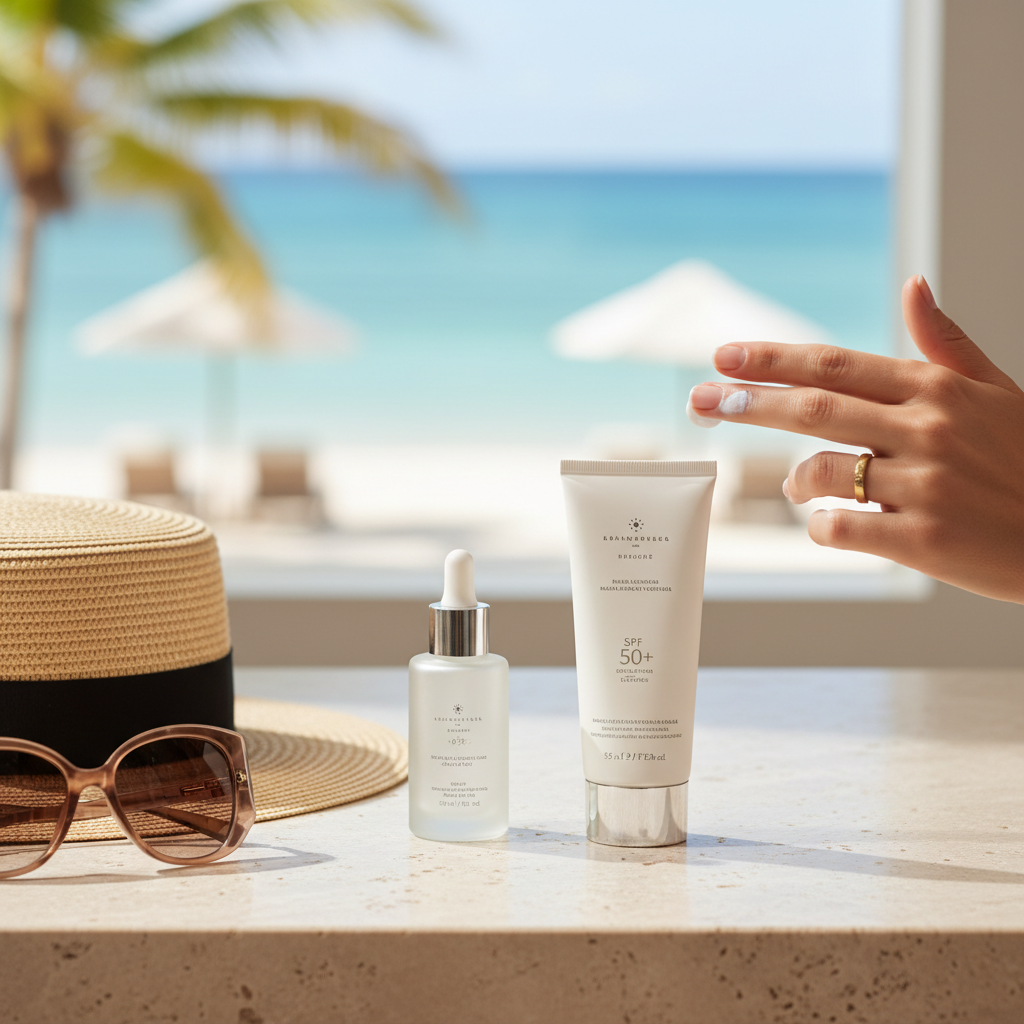
For a truly radiant complexion in 2026, at-home chemical peels offer a powerful yet accessible solution, effectively resurfacing skin, diminishing imperfections, and boosting luminosity. The best choices leverage a balanced blend of AHAs, BHAs, or PHAs, tailored to your skin type, and are always supported by diligent pre- and post-peel care, especially robust sun protection.
Introduction
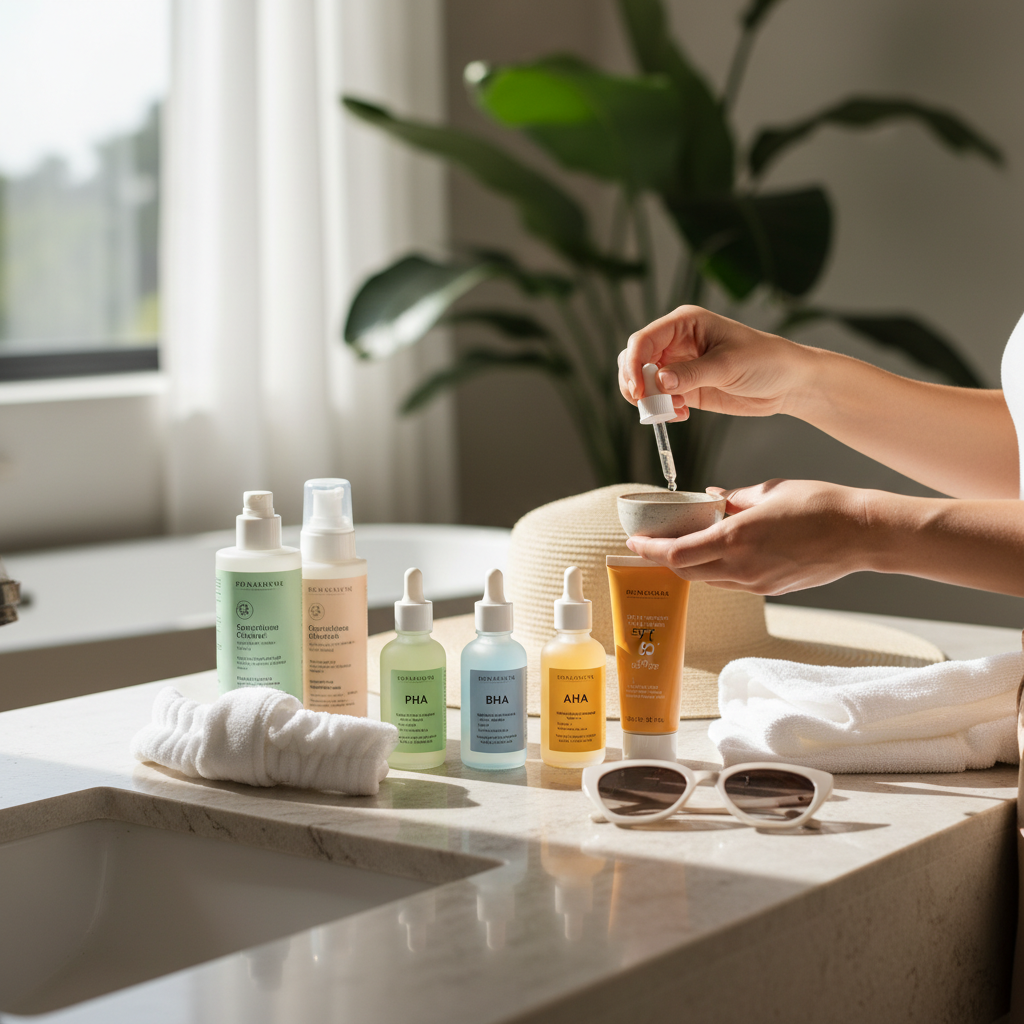
In the dynamic world of skincare, the quest for a luminous, even-toned complexion remains a constant. While professional treatments offer undeniable results, the innovation in at-home chemical peels has truly revolutionized our routines, bringing dermatologist-grade efficacy safely into our bathrooms. As we navigate 2026, these powerful exfoliants have become a cornerstone for achieving that coveted glow, addressing everything from dullness and rough texture to fine lines and hyperpigmentation.
What Are At-Home Chemical Peels, and Why Are They Popular in 2026?
At-home chemical peels are formulations designed to exfoliate the outermost layers of the skin using various acids, promoting accelerated cell turnover. Unlike physical exfoliants that manually scrub away dead skin, chemical peels work by dissolving the bonds between dead skin cells, revealing fresher, brighter skin underneath. This process effectively diminishes the appearance of sun damage, fine lines, uneven texture, and clogged pores, leading to a smoother, more radiant complexion.
Their surging popularity in 2026 stems from several factors. Firstly, advancements in formulation science have made them safer and more effective for home use, with a greater focus on skin barrier integrity. Consumers are increasingly seeking “dermal-grade” at-home tools and treatments that bridge the gap between daily skincare and professional procedures. Secondly, the convenience and cost-effectiveness of achieving significant skin improvements without frequent clinic visits are highly appealing. Finally, a heightened understanding of active ingredients and proper usage, fueled by accessible expert information, empowers women to confidently integrate these treatments into their routines.
Which Active Ingredients Should You Look For in an At-Home Peel?
Understanding the key active ingredients is crucial for selecting the right peel for your skin concerns and type. The FDA generally recognizes many of these as safe and effective within specific concentrations for cosmetic use.
Alpha Hydroxy Acids (AHAs)
AHAs are water-soluble acids derived from natural sources, primarily working on the skin’s surface to loosen and shed dead skin cells. They are excellent for improving skin texture, tone, and reducing the appearance of fine lines and hyperpigmentation.
- Glycolic Acid: The smallest AHA molecule, it penetrates deeply and quickly, making it highly effective for significant exfoliation and collagen stimulation. It’s often found in stronger peels.
- Lactic Acid: A larger molecule than glycolic, lactic acid is a gentler AHA that also offers hydrating properties, making it suitable for drier or more sensitive skin types.
- Mandelic Acid: Derived from bitter almonds, mandelic acid has an even larger molecular size, allowing for slower, more even penetration. It’s particularly good for sensitive skin, acne, and hyperpigmentation.
Beta Hydroxy Acids (BHAs)
Unlike AHAs, BHAs are oil-soluble, meaning they can penetrate through oil and into pores. This unique property makes them ideal for oily, combination, and acne-prone skin.
- Salicylic Acid: The most common BHA, salicylic acid exfoliates inside the pore lining, helping to unclog pores, reduce blackheads and whiteheads, and calm inflammation associated with acne.
Poly Hydroxy Acids (PHAs)
PHAs are often hailed as the “next-generation” AHAs. They have a larger molecular structure compared to AHAs, meaning they penetrate the skin more slowly and gently, resulting in less irritation.
- Gluconolactone: A common PHA, it provides gentle exfoliation, moisturization, and antioxidant benefits, making it excellent for sensitive or mature skin.
- Lactobionic Acid: Another PHA, it offers similar benefits to gluconolactone, including antioxidant properties and wound healing promotion, making it very gentle and hydrating.
Enzymes
Enzyme peels use fruit-derived enzymes (like papain from papaya or bromelain from pineapple) to gently digest dead skin cells. They are the mildest form of chemical exfoliation, making them suitable for even the most sensitive skin types.
How Do You Choose the Right At-Home Peel for Your Skin Type?
Matching the peel to your skin type is paramount to achieving desired results without irritation.
Oily/Acne-Prone Skin
Look for peels containing Salicylic Acid (BHA), as it effectively penetrates oil and decongests pores. Higher concentrations of Glycolic Acid (AHA) can also be beneficial for overall exfoliation and texture improvement, but ensure your skin can tolerate it.
Dry/Normal Skin
Lactic Acid and Mandelic Acid are excellent choices due to their hydrating properties and gentler exfoliation. PHAs like gluconolactone are also ideal, providing exfoliation without stripping essential moisture.
Sensitive Skin
Prioritize peels with PHAs, Mandelic Acid, or low concentrations of Lactic Acid. Enzyme peels are also a fantastic, non-irritating option. Always opt for formulas that emphasize soothing ingredients like niacinamide or ceramides to support the skin barrier.
Combination Skin
You might benefit from a peel that combines gentle AHAs (like lactic or mandelic) with a low concentration of BHA for targeted pore clearing in oilier zones. Alternatively, consider spot-treating with different formulations.
Mature Skin
Glycolic Acid and Lactic Acid are highly effective for addressing fine lines, wrinkles, and sun damage by promoting cell turnover and collagen production. PHAs also offer gentle exfoliation with antioxidant benefits, supporting overall skin health.
What Are the Best At-Home Chemical Peels for 2026?
The market in 2026 offers a sophisticated range of at-home peels, balancing efficacy with skin barrier support. Here’s a comparative look at some representative types you’ll find:
| Product Category | Primary Actives | Target Skin Type | Intensity Level | Unique Benefit/Focus |
|---|---|---|---|---|
| Radiant Renewal Glycolic Solution | Glycolic Acid (10-15%), Lactic Acid, Hyaluronic Acid | Normal, Combination, Mature, Sun-Damaged | Moderate to High | Powerful resurfacing for texture, fine lines, and brightness; hydrating support to minimize dryness. |
| Pore Purify BHA Treatment | Salicylic Acid (2%), Niacinamide, Green Tea Extract | Oily, Acne-Prone, Combination | Mild to Moderate | Deep pore cleansing, blackhead/whitehead reduction, anti-inflammatory, minimizes future breakouts. |
| Gentle Glow PHA Serum | Gluconolactone, Lactobionic Acid, Ceramides | Sensitive, Dry, Mature, All Skin Types | Gentle | Very mild exfoliation with significant hydration and skin barrier strengthening. Ideal for beginners. |
| Enzyme Resurface Mask | Papain, Bromelain, Pumpkin Enzymes | Sensitive, Dry, Post-Inflammatory | Very Gentle | Non-acid exfoliation for a subtle glow without irritation; nourishing and soothing properties. |
| Advanced Multi-Acid Complex | Glycolic Acid (5%), Lactic Acid (5%), Salicylic Acid (1%), Peptides | Normal, Combination, Resilient Mature | Moderate | Comprehensive treatment for multiple concerns: texture, tone, pores, and anti-aging benefits. |
How Do At-Home Peels Compare to Professional Treatments?
While at-home peels are incredibly effective, it’s important to manage expectations regarding their comparison to professional treatments. Dermatologist-administered peels typically use significantly higher concentrations of acids (e.g., 20-70% glycolic acid) and may involve different types of acids (like TCA or Jessner’s peel) that penetrate much deeper into the skin. These stronger peels require professional application, neutralization, and post-care to ensure safety and prevent adverse reactions.
At-home peels are designed for superficial exfoliation and maintenance. They are excellent for improving skin texture, minor hyperpigmentation, and boosting radiance with minimal downtime. Professional peels, on the other hand, are reserved for more severe concerns like deep wrinkles, significant acne scarring, or stubborn hyperpigmentation, often requiring several days to weeks of recovery.
What’s the Essential Routine for Pre- and Post-Peel Care?
Proper preparation and aftercare are non-negotiable for maximizing results and minimizing risks with at-home chemical peels.
Pre-Peel Preparation
- Discontinue Other Actives: Stop using retinoids (including retinal), benzoyl peroxide, other exfoliants, and vitamin C serums for at least 3-5 days before your peel to prevent over-exfoliation and irritation.
- Patch Test: Always apply a small amount of the peel to an inconspicuous area (like behind the ear or on the neck) 24-48 hours prior to full face application to check for adverse reactions.
- Cleanse Gently: On the day of the peel, cleanse your face with a mild, non-stripping cleanser. Ensure your skin is completely dry before application.
- Read Instructions Carefully: Adhere strictly to the product’s recommended application time and frequency. More is not better!
Post-Peel Recovery
The post-peel phase is critical for healing and protecting your newly revealed skin.
- Gentle Cleansing: Continue using a mild, hydrating cleanser. Avoid scrubbing or harsh tools.
- Hydration is Key: Immediately after rinsing the peel, apply hydrating serums and moisturizers. Look for ingredients like Hyaluronic Acid to draw moisture into the skin, and Ceramides to replenish the skin barrier.
- Soothing Support: Incorporate soothing ingredients like Niacinamide to reduce redness and inflammation, and Peptides to support skin repair and collagen production.
- Strict Sun Protection: This is the most crucial step. Your skin will be more sensitive to UV radiation. Apply a broad-spectrum Mineral SPF (containing zinc oxide or titanium dioxide) with an SPF of 30 or higher religiously every morning. Reapply every two hours, especially if outdoors or sweating.
- Avoid Harsh Actives: Reintroduce retinoids, vitamin C, and other exfoliants gradually, typically after 5-7 days, once your skin has fully recovered.
- Listen to Your Skin: If you experience excessive redness, burning, or discomfort, discontinue use and consult a dermatologist.
Are There Any Risks or Side Effects I Should Be Aware Of?
When used correctly, at-home chemical peels are generally safe. However, potential side effects include temporary redness, mild stinging, dryness, and light flaking. These are typically normal signs that the peel is working. More severe, but avoidable, risks include:
- Over-exfoliation: Leading to a compromised skin barrier, extreme sensitivity, redness, and a tight, uncomfortable feeling. This often occurs from using a peel too frequently or combining it with other harsh actives.
- Irritation or Burns: If a peel is left on too long, or if a concentration is too high for your skin type, it can cause chemical burns.
- Post-Inflammatory Hyperpigmentation (PIH): Especially a concern for individuals with darker skin tones, improper use or inadequate sun protection can lead to dark spots after inflammation.
“Always remember that consistency and caution are more important than intensity when it comes to at-home chemical peels. Your skin barrier is your first line of defense; protect it.”
Frequently Asked Questions
How often can I use an at-home peel?
This depends heavily on the peel’s strength and your skin’s tolerance. Most mild to moderate peels are recommended once a week or every two weeks. Stronger formulations may only be suitable once a month. Always follow the specific product instructions and observe how your skin reacts.
Can I use retinol with an at-home peel?
Generally, no. It’s crucial to stop using retinol, retinal, and other vitamin A derivatives for at least 3-5 days before and after using an at-home chemical peel. Combining these potent actives can lead to severe irritation, over-exfoliation, and compromise your skin barrier.
What’s the difference between retinal and retinol, and which is better for post-peel skin?
Retinal (retinaldehyde) is a potent retinoid that is one step closer to retinoic acid (the active form) than retinol. This means retinal converts to retinoic acid more efficiently and often delivers faster results with less irritation than traditional retinol. However, neither is suitable for immediate post-peel skin. After your skin has fully recovered (typically 5-7 days), you can gradually reintroduce either, with retinal often preferred for its efficacy and potentially better tolerability for some.
Do drugstore peels work as well as prestige brands?
Absolutely. Many drugstore brands offer highly effective at-home peels with clinically proven active ingredients. The key is to look at the ingredients list and concentrations, not just the brand name or price tag. Dermatologist consensus often supports that formulation and active ingredient concentration are more critical than the brand’s prestige status. Always check for transparent ingredient lists and reputable product reviews.
Can I use an at-home peel if I have sensitive skin?
Yes, but with extreme caution and the right product. Opt for peels with PHAs, Mandelic Acid, low concentrations of Lactic Acid, or enzyme peels. Always perform a patch test, start with the shortest recommended application time, and prioritize formulations that include soothing and barrier-supporting ingredients like ceramides and niacinamide.
Conclusion
At-home chemical peels are a powerful addition to your 2026 skincare arsenal, offering a clear path to a smoother, brighter, and more radiant complexion. By understanding the active ingredients, selecting a peel tailored to your skin type, and committing to diligent pre- and post-peel care, you can safely harness their transformative benefits. Embrace these innovations responsibly, and prepare to unveil your most luminous skin yet.